
 EN
EN



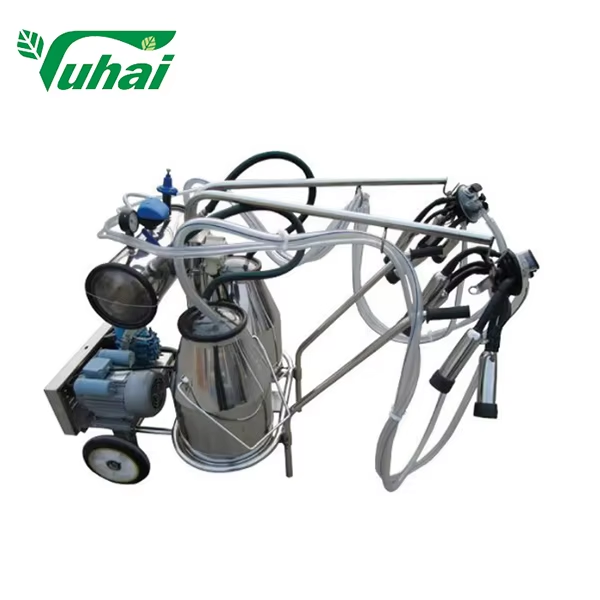
Vacuum System Failures: A Root Cause of Milking Machine Performance Issues
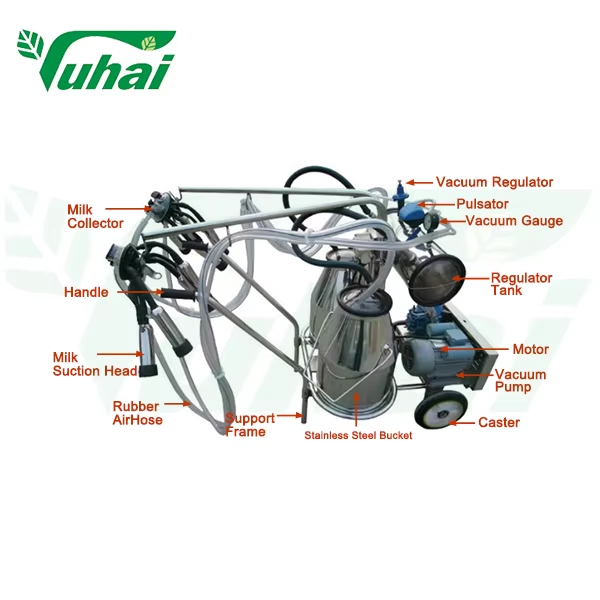
Vacuum system failures directly compromise milking machine performance, accounting for 60% of operational disruptions in dairy systems. These failures manifest through irregular pulsation cycles, incomplete milk extraction, and heightened teat stress—all detectable via routine vacuum gauge readings and regulator response tests.
Vacuum loss and regulator failure: Early signs and diagnostic checks
Key indicators include fluctuating vacuum levels (±2 kPa beyond setpoints) and audible air leaks at connections. Diagnostic protocols require:
- Measuring vacuum stability during peak flow using calibrated gauges
- Inspecting regulator diaphragms for cracks or mineral buildup every 500 milking hours
- Testing air admission valves for response delays exceeding 0.5 seconds
A 2023 herd study showed farms performing weekly regulator checks reduced vacuum-related failures by 78% compared to quarterly maintenance schedules.
Pulsator malfunction: Effects on teat health, milk let-down, and milking time
Faulty pulsators disrupt the critical massage-to-suction ratio (typically 60:40), causing:
- Teat-end hyperkeratosis: 43% higher incidence with irregular pulsation
- Delayed milk let-down: Extended attachment times by 1.2 minutes per cow
- Incomplete emptying: Residual milk increased by 15%, elevating mastitis risk
Teat Cup & Liner Issues: Critical Factors in Udder Health and Milking Efficiency
Liner wear, fatigue, and evidence-based replacement schedules for optimal Milking Machine function
Worn or fatigued liners—the inner sleeves contacting teat tissue—severely compromise milk harvest. Research shows that liners exceeding 2,500 milkings exhibit 300% more teat end callosity. Key indicators include:
- Reduced milk flow rates due to loss of liner elasticity
- Increased slip-offs during milking
- Visible cracks or compression irregularities
Purdue University studies (2023) linked aged liners to a 17% rise in subclinical mastitis incidence. For optimal performance:
- Replace liners every 1,500–2,500 milkings
- Conduct monthly stretch tests
- Document replacements on herd management software
Cluster misalignment and its link to teat end trauma and reduced milk yield
Improperly positioned clusters create uneven vacuum distribution, directly causing teat-end hyperkeratosis. A 2023 bovine study revealed misaligned units triggered:
- 42% higher teat congestion
- 58% more asymmetrical milkout
- 15% yield reduction in subsequent lactations
Critical prevention steps include:
- Training staff on correct cluster attachment angles
- Using adjustable hangers for udder conformation
- Implementing daily pulsation tests
Consistent misalignment elevates somatic cell counts by 120,000 cells/ml within 4 weeks. Daily cluster adjustment reduces milking-time trauma and protects long-term productivity.
Hygiene Failures: How Poor Sanitation Compromises Milking Machine Integrity and Cow Health
Milk claw blockage, biofilm buildup, and their role in mastitis transmission
When sanitation isn't maintained properly, milk residue builds up inside the claw area, which leads to blockages and makes milking much less efficient than it should be. Over time, stubborn bacterial colonies known as biofilms start forming on equipment surfaces. These biofilms act as breeding grounds for harmful bacteria such as Staphylococcus aureus. The presence of these biofilms plays a major role in spreading mastitis, one of the primary reasons for udder inflammation across dairy farms. Milk production can drop significantly in herds where this happens, sometimes around 20%, though actual numbers vary depending on conditions. Farmers often notice early warning signs through increased somatic cell counts in test results along with noticeable swelling at the teats. Keeping things clean regularly and checking equipment thoroughly goes a long way toward preventing all these problems, ultimately protecting both animal welfare and the overall quality of the milk produced.
CIP (Clean-in-Place) protocols and validated Milking Machine cleaning routines
Getting serious about Clean-in-Place (CIP) systems makes all the difference when it comes to keeping things clean automatically. Most good setups follow pretty standard procedures these days. First there's that initial rinse to get rid of any loose stuff hanging around. Then comes the real work at about 60 degrees Celsius where detergents break down those stubborn fats. Finally, everything gets a thorough sanitizing rinse to knock out bacteria and other unwanted guests. When farmers stick to what the manufacturers suggest for cleaning schedules, they see some amazing results. Contamination drops off by roughly 90 percent compared to old fashioned hand washing techniques. This not only keeps the equipment running longer but also helps maintain better overall health among livestock populations.
Electrical and Control System Faults: Risks in Automated and High-Tech Milking Machines
When dairy farms start using automated milking systems (AMS), problems often pop up with the electrical parts and controls. A sudden power cut can throw off the whole milking schedule, leaving cows uncomfortable and reducing milk production by around 15 to 20 percent each time it happens. The sensors that check milk quality for signs of mastitis get messed up too when there are voltage spikes or dips. This means farmers might not catch infections until they've gone on for a day or two longer than normal. There's another issue too: hackers could mess with the system data to hide health problems in the herd, and worst case scenario, someone locking the system would stop all operations cold turkey. That's why having backup plans makes so much sense these days.
- Backup systems: Install uninterruptible power supplies to maintain function for 4+ hours during outages
- Sensor calibration: Monthly validation checks prevent false mastitis readings
- Network security: Isolate control systems from main networks to limit breach risks
- Manual override protocols: Train staff to resume basic operations during tech failures
Proactive maintenance slashes AMS downtime by 60% compared to reactive approaches, preserving both herd health and profitability in technology-dependent milking environments.
FAQ: Common Questions About Milking Machine System Failures
What are the early signs of vacuum system failures?
Early signs of vacuum system failures include fluctuating vacuum levels and audible air leaks at connections. It's important to measure vacuum stability and inspect regulator diaphragms for any damages.
How often should pulsation rates be verified?
Operators should verify pulsation rates monthly using digital testers and replace components that show a deviation from specifications to maintain optimal herd health.
When should liners be replaced to ensure optimal milking performance?
For optimal performance, liners should be replaced every 1,500 to 2,500 milkings. Monthly stretch tests and documentation of replacements are recommended for efficient management.
How can CIP protocols enhance milking machine hygiene?
CIP protocols enhance hygiene by removing residues, breaking down fats, and sanitizing equipment, thereby reducing contamination significantly compared to manual cleaning techniques.
What steps can be taken to prevent electrical and control system faults in automated milking machines?
Preventative measures include installing backup systems, regular sensor calibration, ensuring network security, and preparing manual override protocols to maintain operations during electrical faults.
Table of Contents
- Teat Cup & Liner Issues: Critical Factors in Udder Health and Milking Efficiency
- Hygiene Failures: How Poor Sanitation Compromises Milking Machine Integrity and Cow Health
-
Electrical and Control System Faults: Risks in Automated and High-Tech Milking Machines
- FAQ: Common Questions About Milking Machine System Failures
- What are the early signs of vacuum system failures?
- How often should pulsation rates be verified?
- When should liners be replaced to ensure optimal milking performance?
- How can CIP protocols enhance milking machine hygiene?
- What steps can be taken to prevent electrical and control system faults in automated milking machines?