
 EN
EN


Cost-Effective Adoption of Milking Machines for Small and Medium Dairy Farms
Lower Upfront Investment vs. Fixed or Automated Milking Systems (AMS)
For small and medium dairy operations, portable milking equipment represents a major financial relief. Traditional fixed parlors or those fancy Automated Milking Systems (AMS) can set a farm back anywhere from $150k to $250k per unit. Portable alternatives on the other hand typically begin around $15,000, which is about ten times cheaper. The savings aren't just numbers on paper either. With these cost reductions, many farmers find they can actually put money into things that matter more, like improving animal health programs, fixing up pastures after harsh winters, or experimenting with better feeding strategies. According to a recent agritech report from last year, switching to portable systems cuts upfront costs by somewhere between 80 and 85 percent compared to AMS installations. This makes cutting edge milking tech something even budget conscious producers can afford while still keeping their business viable over time.
Minimal Infrastructure Needs: No Dedicated Milking Parlor Required
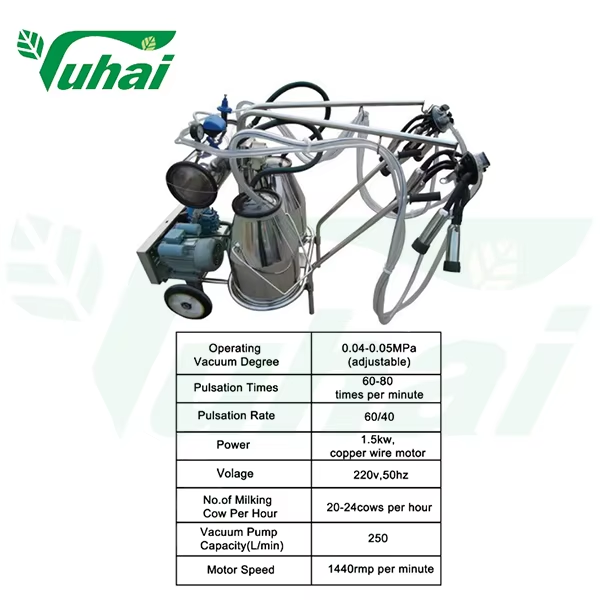
With these machines, there's no need for expensive construction projects anymore. Farmers can skip building those permanent milking parlors altogether, which saves them anywhere between $50k and maybe even $200k on things like concrete work, pipes, wiring, and ventilation systems. The whole operation happens right where the cows are - out in the fields, around feeding areas, or inside old barns that still stand. These units weigh less than 45 kilograms each and come from companies such as YUYAO YUHAI who've been making them for years. Getting everything ready just needs a regular electrical socket and some water nearby, and it all comes together in less than ten minutes flat. What makes this setup so great is how flexible it is. Farmers can rotate their grazing patterns without worrying about fixed structures getting in the way, and they don't have to rely heavily on big infrastructure investments either. Plus, when seasons change or terrain gets tricky, these mobile systems adjust right along with everything else on the farm.
Operational Efficiency Gains with Portable Milking Machines
Flexible, Pasture-Based Milking Schedules and Faster Turnaround
Portable milking machines let farmers work directly where the cows are instead of herding them all to one spot. This means no more making animals walk long distances, fits better with how they naturally graze, and keeps stress levels down for the herd. Stress matters a lot because when it goes up, milk production can drop as much as thirty percent according to some studies. A typical farm with around fifty cows might save about half an hour each day on transportation and handling stuff like this (source: Dairy Operations Report 2023). Getting these portable units set up takes under fifteen minutes usually, and switching from one group to another happens pretty fast too. That helps maintain shorter intervals between milkings which is really important for those high producing breeds that need three sessions per day. Farmers who have tried this system say their milking process moves along about twenty percent quicker compared to traditional setups, mostly because there's less back and forth movement among the cows plus easier prep work before starting.
Labor Optimization: One Operator Manages Multiple Units per Shift
The portable system allows for running multiple units at once. A single experienced worker can handle around two or three machines spread out across different parts of the pasture area. When one unit finishes its automated pulsing and removes the teat cups, the technician gets ready for the next batch, creating something like a rolling production line across the fields. According to Dairy Tech Journal from last year, this approach boosts what workers get done by about 40% compared to those old fixed parlors. The control panels are pretty straightforward these days, so operators don't need to watch them constantly. This frees up time for important stuff like looking after newborn calves, checking udders for problems, or cleaning everything down properly between milking rounds. Most farmers actually get comfortable operating these systems after just four or five guided sessions, which beats the several weeks usually needed to train someone on AMS equipment.
Simplified Maintenance, Mobility, and User-Friendly Design
Lightweight, Modular Construction (e.g., YUYAO YUHAI Under 45 kg)
Equipment weighing less than 45 kg, including models from YUYAO YUHAI, comes with a modular design that doesn't require tools for assembly thanks to standard connectors. Farmers will find these units much easier to move around rough ground, and they won't have to struggle so much when moving them around the farm each day. When parts need replacing, whether it's sensors, valves or those little pulsator components, farmers can swap them out in just a few minutes instead of spending hours on repairs. According to a study published in Agricultural Engineering Review back in 2022, this cuts down maintenance time by about 30%. If something breaks down, only one module goes offline at a time rather than shutting down whole production lines. That means less waiting around for fixes and longer lasting equipment overall. Small scale operations without lots of technical staff really benefit from this kind of setup since it keeps their bottom line healthier and makes day to day farming operations more reliable even when things go wrong occasionally.
Quick Setup, Cleaning, and Transport Between Herd Groups
The system integrates right into daily farm routines. Color coded connectors make it possible to get everything set up in less than ten minutes flat. And there's this handy automatic backflush feature that keeps those important channels clean when switching between different cow groups, so nobody has to take anything apart. Frames are compact but tough, mounted on heavy duty wheels with handles designed for comfort during transport. These machines roll right through muddy fields, over gravel paths, even across grassy areas without getting stuck. What makes them really valuable is how they cut down on those annoying bottlenecks at traditional parlors. Farmers can now manage herds more flexibly too. Want to milk certain groups separately? Need specific protocols for drying off cows? Or maybe treat particular transition cows differently? All these things become much easier to handle without needing extra staff or building new facilities from scratch.
Enhanced Animal Welfare Through Portable Milking Machine Use
Portable milking equipment really boosts animal welfare because it goes to the cows instead of making them come to us. When we milk animals right there on the pasture where they hang out all day, it cuts down on stress and messes with their environment way less than dragging them across the farm to a central milking area. The machines use gentle vacuum settings that stimulate teats properly without causing pain or damage to tissues. Cleaning happens automatically too, which makes things much cleaner overall. Studies from Wisconsin show these systems reduce mastitis cases between 18 and 22 percent compared to old fashioned hand cleaning methods. Letting cows decide when they want to be milked supports their natural body clock and gives them control over their own routines. Farmers notice this leads to lower stress hormones in the blood and fewer accidents happening around milking time. Beyond just meeting standards set by groups like Animal Welfare Approved, these changes actually improve milk quality as well. Farms that switch to portable systems tend to see consistently better results in terms of somatic cell counts, which means healthier animals and better products for consumers at the same time.
Frequently Asked Questions
What is the major benefit of portable milking equipment for small and medium farms?
Portable milking equipment offers small and medium farms a cost-effective alternative to traditional milking systems by significantly reducing upfront and maintenance costs, allowing better investment in other farm improvements.
How does portable milking equipment impact labor needs on a farm?
Portable systems optimize labor by allowing a single operator to manage multiple units, thus increasing productivity by approximately 40% over traditional setups.
What are the benefits of portable milking equipment for animal welfare?
These systems reduce stress and improve animal welfare by allowing cows to be milked in their familiar environments, leading to lower stress hormone levels and fewer cases of mastitis.