
 EN
EN



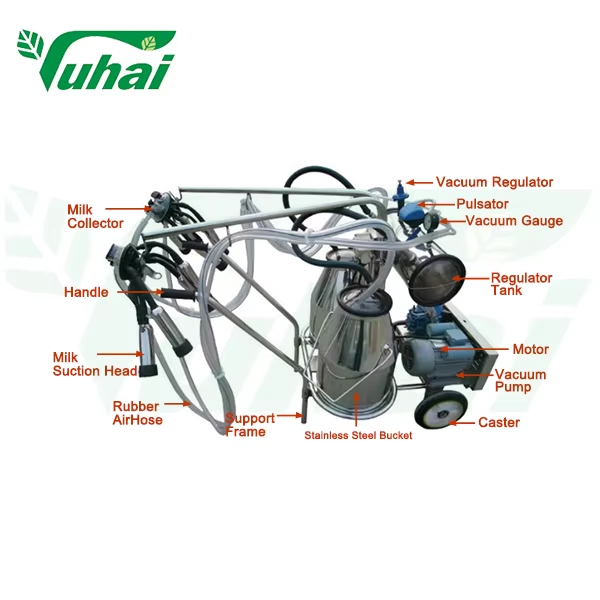
Synergy of Individual Housing, Ventilation and Milking Machine for Dairy Disease Prevention
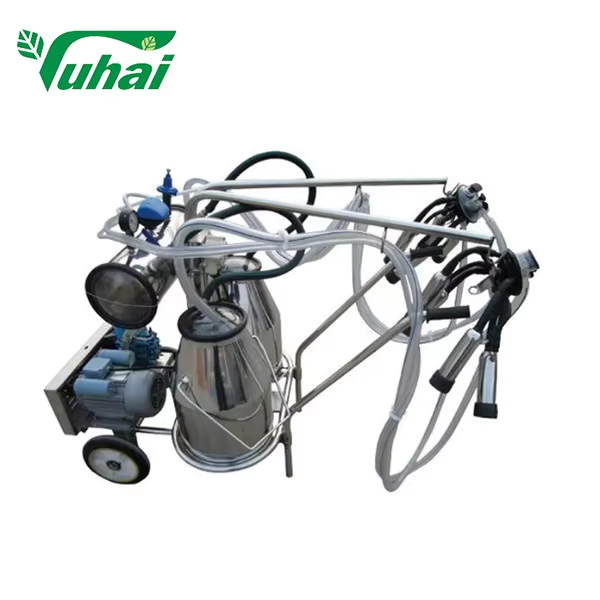
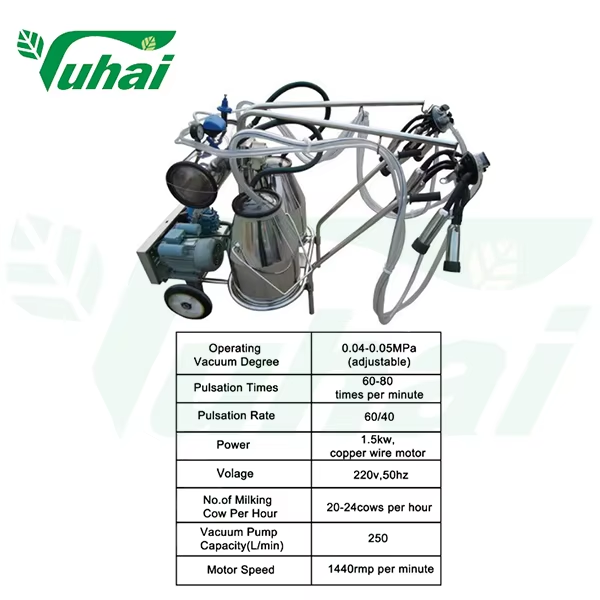
Isolating Calves to Block Respiratory and Enteric Pathogen Spread
Putting calves in individual hutches keeps them apart from each other, which helps stop diseases from spreading between newborn animals. The Journal of Dairy Science reported last year that when calves live together in groups, they get sick with breathing problems about 40% more often than those kept separately. What makes hutches work so well? They prevent face to face interactions and eliminate shared bottles and buckets that can carry germs causing pneumonia and diarrhea. Farmers notice something else too: calves raised this way need antibiotics roughly 30% less frequently. Less medication means fewer chances for bacteria to become resistant, plus it gives young stock a better chance to build strong immunity naturally over time.
Advanced Ventilation Design for Lowering Airborne Pathogen Load
The way air moves through modern calf hutches makes a big difference in keeping bacteria levels down about 60% compared to traditional enclosed barns according to USDA ventilation guidelines from last year. Farmers have started using special vents on the back walls that let fresh air circulate properly without creating uncomfortable drafts. These systems help keep humidity under control, staying below 70% which is when most pathogens start to thrive. When it comes to design, cross ventilation setups work wonders at getting rid of ammonia smells and those tiny particles that can cause breathing problems for young animals, all while making sure they stay warm enough. Putting these features together has led to some impressive results in practice. Studies show that calves raised in these improved hutches experience roughly half the cases of BRD or bovine respiratory disease, which means healthier herds overall and fewer vet visits for farmers.
Enhancing Nutritional Efficiency and Growth Performance
Ad Libitum Feeding Accuracy and Elimination of Cross-Sucking
Using individual hutches for calves allows for better free choice feeding where they can eat what they need when they need it, which helps them get all the nutrition they require without dealing with competition issues like cross-sucking between animals. When calves are kept together in groups, the bigger ones tend to eat way more than their fair share of food, sometimes leaving smaller calves with much less to eat. Studies have shown this can actually slow down the growth rate of those weaker calves by about 20%. Putting calves in separate hutches makes sure every animal gets its full portion without anyone else interfering, and research from ScienceDirect back in 2015 found this setup improves how well the feed converts into actual body mass gains by around 12 to 15 percent. These isolated spaces also stop cross-sucking behavior, which happens when stressed calves start sucking on each other instead of eating properly. This kind of stress leads to worse weight gain overall and makes them more likely to get sick. The bottom line is that hutches help deliver nutrients consistently while cutting out these stressful interactions, so calves grow faster and develop stronger bones during those important early weeks before weaning.
Minimizing Environmental Stress for Optimal Metabolic Function
Maintaining Thermal Neutral Zone: Bedding, Draft Control, and Microclimate Management
When young calves face cold conditions, they have to work really hard just to stay warm, which takes away from their ability to grow properly. The Thermal Neutral Zone, or TNZ for short, is basically where things are comfortable for them, usually between about 5 degrees Celsius and 25 degrees Celsius (that's roughly 41 to 77 Fahrenheit). Inside this range, calves don't need to spend much energy keeping themselves at the right temperature, so they can focus on absorbing nutrients and putting on weight. Farmers who bed their calves with straw about 15 to 20 centimeters deep see better results because this cuts down on heat loss by around 20 to 30 percent. Putting up wind barriers around calf hutches also helps a lot since it stops the wind from making it feel colder than it actually is, which would expand that comfort zone. These days, many operations use IoT sensors to keep an eye on temperatures continuously. This lets managers make quick changes like adding extra insulation when temperatures drop below freezing. Studies consistently show that calves kept within these ideal temperature ranges tend to gain weight at least 20 percent faster each day simply because their bodies aren't wasting energy fighting the cold.
Integrating Calf Hutch Systems with Modern Dairy Infrastructure
Synergies Between Automated Calf Feeders, Milking Machine Data Platforms, and Hutch Monitoring
When modern calf hutches get paired with automated dairy tech, farms see some pretty impressive improvements in efficiency. The automatic feeders do a great job delivering just the right amount of nutrition to each calf, keeping track of exactly what every animal eats throughout the day. This cuts down on all that manual work and helps prevent those annoying cross-sucking issues that can spread disease between calves. All this information connects to the milking machines too. These platforms keep tabs on milk production levels, check for quality problems, and even spot potential udder issues right from the first time cows start giving milk. Meanwhile, special sensors inside the hutches monitor things like air temperature, moisture levels, and how active the calves are being. Farmers end up with a complete picture of how their young stock is developing, which means they need fewer workers around the barn since labor drops about 30%. Plus, they catch health problems roughly two days sooner than someone would notice during regular inspections. Take a calf that starts skipping meals at the feeder station - this triggers warning signals in the hutch system, letting staff look into milking data for clues about possible respiratory issues before they become serious. While nothing replaces good old fashioned hands-on care, these connected systems definitely help guide calves toward better growth outcomes and create detailed records that meet regulatory standards without much extra effort.
FAQ
Why are calves kept in individual hutches?
Individual hutches prevent disease spread by minimizing face-to-face interactions and eliminating shared items that can transfer germs.
How does advanced ventilation design help calves?
Advanced ventilation reduces bacteria levels and keeps humidity in check, preventing respiratory diseases and maintaining optimal living conditions for calves.
What is Ad Libitum feeding, and why is it beneficial?
Ad Libitum feeding lets calves eat freely as needed, ensuring proper nutrition and avoiding competition issues like cross-sucking, leading to better growth and development.
How do IoT sensors improve calf care?
IoT sensors continuously monitor temperature and other conditions, allowing quick adjustments to maintain a comfortable environment for optimal calf growth.
What advantages do automated calf feeding systems offer?
Automated systems efficiently deliver precise nutrition to calves, reduce manual labor, and help early detection of health issues through integrated monitoring.