
 EN


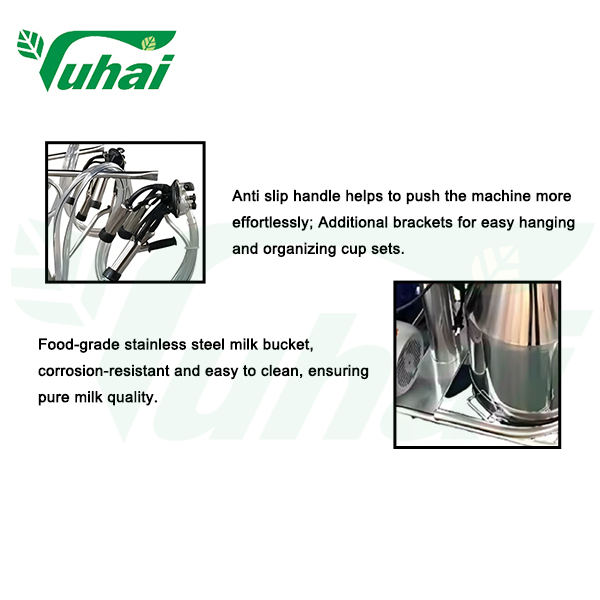
Proper cleaning and maintenance of a portable milking machine is essential for any dairy operation, whether you manage a small family farm or a larger commercial enterprise. A portable milking machine that operates efficiently depends entirely on how well you care for it, as improper maintenance leads to reduced performance, equipment failure, and potential milk contamination. Understanding the correct procedures for maintaining your portable milking machine ensures that every milking session produces high-quality milk while extending the lifespan of your valuable investment.
When you neglect the maintenance of a portable milking machine, you risk compromising milk quality, creating breeding grounds for bacteria, and accelerating wear on critical components. Regular cleaning and maintenance protocols transform your portable milking machine into a reliable asset that performs consistently and safely. This guide walks you through the essential steps, best practices, and troubleshooting insights needed to keep your portable milking machine in peak condition year-round.
Daily Cleaning Procedures for Your Portable Milking Machine
Post-Milking Rinse Protocol
Immediately after each milking session, you must rinse your portable milking machine with clean water to remove milk residue before it dries and hardens on internal surfaces. Begin by running lukewarm water through all milk-contact surfaces, including the collection container, tubing, teat cups, and internal pathways where milk flows during operation. This initial rinse removes approximately 80 percent of milk solids and significantly reduces the workload for deeper cleaning that follows. Always ensure your portable milking machine receives this rinse while the milk is still fresh and easier to remove from equipment surfaces.
Disassembly and Inspection Steps
After the initial rinse, carefully disassemble all removable components of your portable milking machine, including teat cups, rubber liners, milk tubes, and collection containers. Inspect each piece for visible milk residue, discoloration, or wear patterns that might indicate damage requiring replacement. Lay out all components on a clean work surface and examine rubber seals and liners for cracks, tears, or brittleness that compromises the integrity of your portable milking machine. This daily inspection step catches problems early and prevents performance degradation that accumulates when components remain damaged over time.
Deep Cleaning and Sanitization of Portable Milking Machines
Chemical Cleaning Cycle
Once daily, perform a deep cleaning cycle using an approved alkaline or acidic cleaner specifically formulated for dairy equipment. Run the cleaning solution through your portable milking machine for the manufacturer-recommended duration, ensuring the solution contacts all milk-contact surfaces thoroughly. The chemical solution breaks down milk proteins, fats, and mineral deposits that water alone cannot remove from your portable milking machine components. After the chemical cycle completes, thoroughly rinse your portable milking machine with clean water until no chemical odor or residue remains, as any cleaner remaining inside your portable milking machine can contaminate the next milk batch.
Sanitization Requirements
Following the chemical cleaning cycle, you must sanitize your portable milking machine using heat or approved sanitizing agents to eliminate bacteria and pathogens. Hot water sanitization, performed at temperatures between 77 and 82 degrees Celsius for at least one minute, effectively kills most microorganisms that threaten milk quality and equipment safety. For your portable milking machine, ensure every surface exposed to milk receives adequate contact time with the sanitizing heat or chemical agent. Many dairy operations use an approved quaternary ammonia or iodine-based sanitizer as an alternative when hot water sanitization is not immediately available, though heat remains the most reliable method for sanitizing a portable milking machine.
Component Maintenance and Storage for Portable Milking Machines
Rubber Liner and Seal Care
Rubber liners and seals represent wear components in a portable milking machine that require regular inspection and scheduled replacement to maintain milk quality and prevent leakage. Replace rubber liners in your portable milking machine every 2,400 to 2,500 milking sessions, or approximately every 12 months with daily use, whichever comes first. Examine teat cup liners for wear patterns, thinning walls, or slippage inside the barrel, as damaged liners in your portable milking machine allow milk to leak past the teat cup and contaminate other equipment areas. Store replacement liners in a cool, dark location away from direct sunlight and extreme temperatures, which deteriorate rubber quality and shorten the functional lifespan of your portable milking machine components.
Filter Maintenance and Air System Care
Your portable milking machine includes filters that capture milk solids and prevent contamination from reaching vacuum lines and pumps, making filter maintenance critical for equipment longevity. Check milk filters daily after the morning and evening milking cycles, replacing them when milk buildup reaches one-half inch of thickness on the filter surface. For your portable milking machine air system, inspect air intake filters weekly and replace them monthly or more frequently if your farm operates in dusty or high-pollen environments. Clogged filters in your portable milking machine force the motor to work harder, reduce milking efficiency, and increase the risk of vacuum fluctuations that compromise milk quality and animal comfort.
Proper Storage Between Milking Sessions
Store your portable milking machine in a clean, dry location protected from temperature extremes, direct sunlight, and physical damage that can compromise equipment integrity. After final cleaning and sanitization, ensure your portable milking machine components are completely dry before storage, as moisture creates conditions for mold growth and corrosion on metal fittings and internal passages. Keep your portable milking machine away from chemicals, pesticides, and other dairy farm substances that might leak into equipment storage areas and contaminate surfaces. Protect your portable milking machine with a dust cover during storage and inspect all connections and hoses periodically, even when the equipment sits idle, to catch deterioration before the next milking season begins.
FAQ
How often should you perform deep cleaning on a portable milking machine?
You should perform deep cleaning on your portable milking machine once daily, immediately after the last milking session of the day. This daily deep clean removes accumulated milk deposits and sanitizes all milk-contact surfaces to maintain milk quality and prevent bacterial growth. Additionally, perform a weekly thorough inspection of your portable milking machine to identify any components requiring maintenance or replacement before they cause operational problems.
What supplies do you need to maintain a portable milking machine properly?
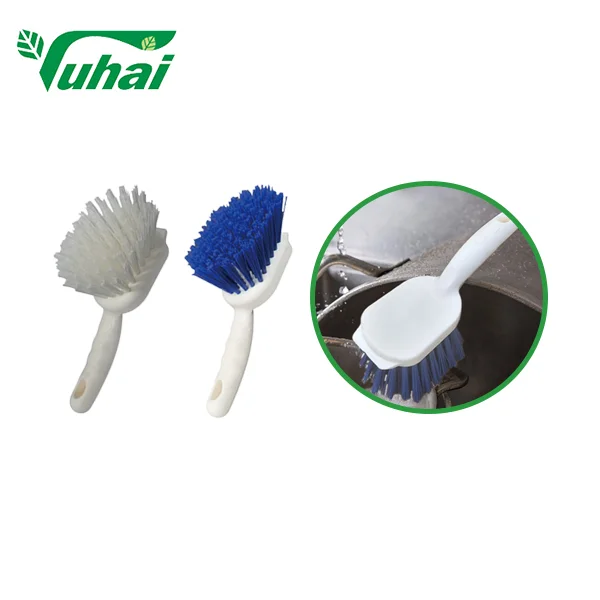
Essential supplies for maintaining your portable milking machine include approved alkaline and acidic cleaning solutions, sanitizing agents or hot water equipment, replacement rubber liners, milk filters, cleaning brushes, soft cloths, and replacement seals specific to your portable milking machine model. Keep spare tubing, connection fittings, and wear parts on hand so you can address equipment issues immediately without disrupting milking schedules. Refer to your portable milking machine manufacturer's documentation to identify the exact supplies and products approved for your specific equipment model.
Can improper maintenance of a portable milking machine affect milk quality?
Yes, improper maintenance of a portable milking machine directly impacts milk quality by allowing bacterial contamination, off-flavors from residual cleaning chemicals, and physical contamination from worn components. When your portable milking machine lacks proper cleaning and sanitization, somatic cell counts increase, milk flavor deteriorates, and shelf life decreases significantly. Buyers and processing facilities frequently test milk quality parameters, and milk from poorly maintained equipment fails quality tests, reducing your income and potentially violating dairy regulations.