
 EN
EN


Proper maintenance of a cattle trough is one of the most overlooked yet critical aspects of livestock management. A neglected cattle trough becomes a breeding ground for harmful bacteria, algae, and parasites that directly threaten the health and productivity of your herd. Many farm operators underestimate how much a dirty or poorly maintained cattle trough impacts daily water intake, nutritional absorption, and disease resistance across the entire operation. When cattle refuse to drink from contaminated sources or consume water laden with pathogens, the consequences ripple through weight gain, milk production, and overall animal welfare.
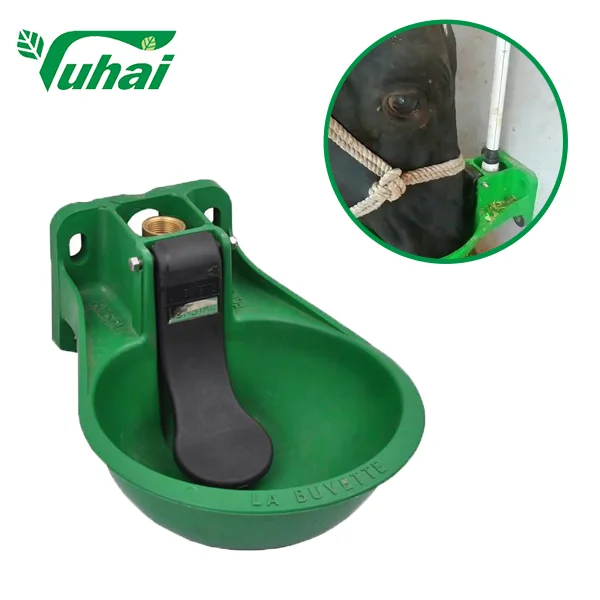
A cattle trough serves as more than just a water delivery point—it is a direct link between your water source and your animals' health outcomes. The condition of your cattle trough directly determines water quality, bacterial load, and mineral content available to your livestock. Regular inspection, cleaning, and maintenance of every cattle trough on your property ensures consistent water safety, reduces disease transmission, and supports optimal herd performance. Understanding why cattle trough upkeep matters transforms it from a routine chore into a strategic health investment that pays dividends across production metrics.
Understanding Contamination and Disease Transmission Through Cattle Troughs
How Bacteria and Pathogens Accumulate in Cattle Troughs
A cattle trough left unattended becomes a microbial reservoir within days. Stagnant water, combined with manure particles, feed residue, and organic debris, creates ideal conditions for pathogenic bacteria such as E. coli, Salmonella, and Cryptosporidium to proliferate. Once bacterial populations establish themselves inside a cattle trough, even periodic refilling does not eliminate the biofilm layer that forms on interior surfaces. This biofilm acts as a protective barrier, allowing microorganisms to survive chemical treatments and continue shedding pathogens into fresh water added to the cattle trough. Animals drinking from a contaminated cattle trough ingest live pathogens directly, bypassing their natural digestive defenses and leading to acute illness or chronic subclinical infections.
Water Quality Decline and Animal Performance
Water quality is inseparable from cattle trough cleanliness. When a cattle trough accumulates mineral deposits, rust particles, or algae blooms, the palatability and safety of drinking water decline sharply. Cattle naturally reduce water intake when trough conditions deteriorate, leading to dehydration, decreased feed conversion, and reduced milk yield in dairy operations. A well-maintained cattle trough ensures consistent water clarity, neutral pH, and absence of off-flavor compounds that discourage drinking. Studies demonstrate that cattle consuming water from properly cleaned cattle trough systems drink 15–20% more water daily compared to animals accessing poorly maintained sources, translating directly into improved body weight gain and reproductive performance.
Establishing Effective Cattle Trough Maintenance Protocols
Daily and Weekly Inspection Routines for Cattle Troughs
Successful herd health begins with consistent monitoring of every cattle trough on your property. Daily visual inspections of each cattle trough take minimal time but catch emerging problems before they escalate into costly health events. Look for visible algae growth, debris accumulation, discoloration, or foul odors—all warning signs that a cattle trough requires immediate intervention. Weekly scrubbing of cattle trough interiors with food-grade brushes removes biofilm buildup and prevents bacterial colonization from establishing a foothold. For outdoor cattle trough installations, weekly cleaning becomes especially critical during warmer months when algae growth accelerates exponentially and water evaporation concentrates mineral and bacterial populations. Livestock operators who implement a structured weekly cattle trough cleaning schedule report 30–40% fewer waterborne disease cases compared to farms with sporadic maintenance approaches.
Seasonal Deep Cleaning and System Flushing
Beyond routine weekly maintenance, each cattle trough requires seasonal deep cleaning to eliminate accumulated mineral deposits and stubborn biofilm layers. Quarterly or semi-annual acid washing of cattle trough systems dissolves mineral scale, restores interior surface finish, and eliminates fossilized bacterial colonies that regular scrubbing cannot reach. This comprehensive cattle trough maintenance prevents iron and mineral buildup that gradually narrows water flow and creates stagnant zones where pathogens concentrate. System flushing with potable water after chemical treatments ensures no residual cleaning agents remain to contaminate the cattle trough before animals resume drinking. Spring and fall transitions offer ideal timing for deep cattle trough maintenance since weather conditions allow thorough drying and operational efficiency remains high during these shoulder seasons.
Selecting and Maintaining Cattle Trough Equipment for Long-Term Success
Material Selection and Durability Considerations
The material composition of your cattle trough directly influences maintenance demand and contamination risk. Plastic-based cattle trough systems resist rust, algae adhesion, and freeze-thaw damage better than traditional metal designs, reducing long-term maintenance burden. A modern cattle trough constructed from food-grade polymer materials simplifies cleaning routines, withstands pressure washing without surface degradation, and naturally discourages bacterial biofilm formation. Conversely, older steel or galvanized cattle trough installations accumulate rust particles that contaminate water and create microscopic pitting where bacteria lodge and resist cleaning efforts. When evaluating a cattle trough replacement or upgrade, prioritizing materials known for low-maintenance profiles and high chemical resistance produces substantial time savings and improved water quality consistency. Investing in a premium cattle trough system built from durable, cleanable materials pays dividends through reduced disease pressure and simplified operational workflows.
Integrating Monitoring Technology into Cattle Trough Systems
Modern livestock operations increasingly incorporate water quality sensors and automated flush systems directly into cattle trough installations to reduce manual labor and improve consistency. Float valves, water level sensors, and automatic drain-and-refill cycles ensure that stagnant water never accumulates inside a cattle trough, dramatically reducing bacterial proliferation. Temperature monitoring within cattle trough systems alerts managers when water conditions drift outside optimal ranges, triggering corrective maintenance before animals experience negative health impacts. These technological additions to cattle trough infrastructure require initial capital investment but deliver measurable returns through reduced disease incidence, improved herd performance metrics, and decreased labor requirements for routine maintenance tasks. Farms implementing sensor-equipped cattle trough systems report 45–60% reduction in waterborne illness cases and improved overall herd productivity scores within the first operational year.
FAQ
How often should I clean my cattle trough?
Daily visual inspection and weekly scrubbing represents the standard maintenance interval for most cattle trough installations. Outdoor cattle troughs in warm climates may require more frequent cleaning as algae growth accelerates. Seasonal deep cleaning with acid treatment should occur quarterly or semi-annually, depending on water mineral content and environmental contamination factors in your region.
What signs indicate my cattle trough needs immediate attention?
Visible algae blooms, foul odors, discolored water, or debris accumulation in your cattle trough all signal urgent maintenance requirements. Additionally, if cattle begin refusing water or showing signs of gastrointestinal illness, inspect your cattle trough immediately for bacterial contamination or chemical imbalance that may be causing the problem.
Does cattle trough material affect maintenance requirements?
Yes, significantly. Plastic and polymer-based cattle trough systems resist algae adhesion, rust formation, and biofilm buildup far more effectively than traditional metal designs. Upgrading to a modern cattle trough constructed from food-grade polymer materials reduces maintenance labor by 30–40% while improving water quality consistency and disease prevention outcomes throughout your operation.