
 EN



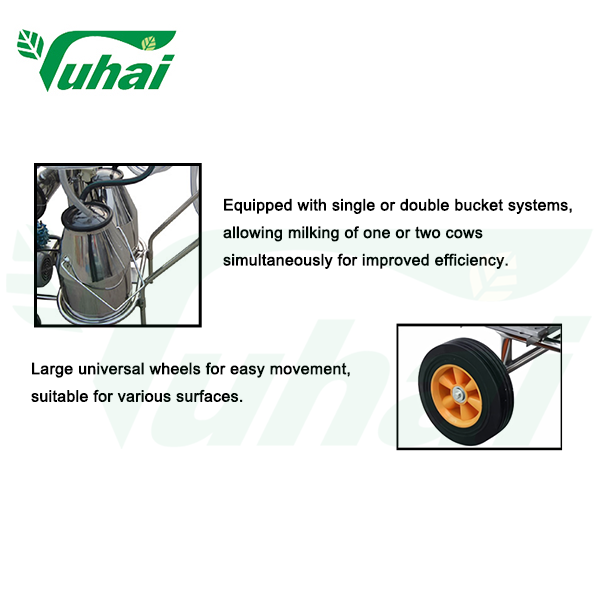
A portable milking machine is an essential tool for dairy operations, enabling efficient milk extraction across multiple animals or locations without fixed infrastructure. However, like any mechanical system, a portable milking machine can develop issues that compromise milking efficiency, animal comfort, and milk quality. Understanding how to troubleshoot common problems with your portable milking machine ensures minimal downtime and maintains consistent production. This guide walks you through the most frequent portable milking machine challenges and provides actionable solutions to restore optimal performance.
Troubleshooting a portable milking machine requires systematic diagnosis rather than random adjustments. Many operators assume expensive repairs are necessary when simple maintenance or minor adjustments resolve the issue. By learning to identify symptoms, test components, and apply targeted fixes, you can keep your portable milking machine running reliably and extend its operational lifespan while reducing unexpected maintenance costs.
Vacuum Loss and Suction Problems
Identifying Vacuum Leaks in Your Portable Milking Machine
Vacuum loss is among the most common issues affecting a portable milking machine's performance. When your portable milking machine loses vacuum strength, milk extraction becomes inefficient, requiring longer milking sessions and causing stress to animals. Inspect all visible tubing, connections, and seals on your portable milking machine for cracks, splits, or deterioration. Rubber components degrade over time through exposure to milk residue, cleaning chemicals, and temperature fluctuations. Listen carefully during operation; a hissing sound indicates air entering the system where it should not, suggesting your portable milking machine has a breach somewhere in the vacuum line.
Testing and Sealing Vacuum Lines
To test your portable milking machine's vacuum integrity, close the milk outlet valve and run the unit for 30 seconds, then turn it off and observe how quickly pressure drops. A properly functioning portable milking machine maintains stable vacuum for several minutes after shutdown. If vacuum drops rapidly, apply soapy water along tubing and fittings while the unit operates; bubbles will form where your portable milking machine is leaking. Replace damaged tubing segments immediately, as operating a portable milking machine with compromised vacuum can harm udder tissue and reduce milk letdown. Ensure all connections on your portable milking machine are hand-tight plus a quarter turn; over-tightening damages fittings and can create new leaks.
Pulsation and Rhythm Failures
Understanding Pulsator Function in Your Portable Milking Machine
The pulsator is the heart of rhythmic milking action, and when it malfunctions, your portable milking machine loses its ability to gently stimulate milk letdown. A failing pulsator in a portable milking machine typically manifests as irregular pulsation, continuous suction without release phases, or complete loss of pulsing action. Check the pulsation rate on your portable milking machine; standard settings are usually 60 cycles per minute with a 50/50 split between suction and rest phases. If your portable milking machine's pulsation becomes erratic, this often indicates air entry into the pulsator chamber or internal valve wear within the portable milking machine's pulsation mechanism.
Repairing Pulsator Issues
Begin by verifying that all air inlet filters on your portable milking machine are clean and unobstructed; a clogged filter forces your portable milking machine's pulsator to draw harder and can disrupt timing. Examine the air bleed line connected to your portable milking machine's pulsator for blockages or kinks. Some portable milking machine models include an adjustment screw on the pulsator; if your portable milking machine's rhythm has shifted gradually, gently turning this screw in quarter-turn increments may restore proper pulsation timing. If adjustments do not resolve the issue, the internal valve inside your portable milking machine's pulsator has likely worn and requires replacement. Most portable milking machine operators can swap a pulsator module in under 20 minutes using basic hand tools.
Milk Flow and Cup Attachment Problems
Diagnosing Reduced Milk Flow from Your Portable Milking Machine
Reduced or inconsistent milk flow during portable milking machine operation can indicate several underlying causes. First, inspect the milk line and filter inside your portable milking machine for buildup; milk residue hardens and restricts flow through your portable milking machine's collection system. Run hot water with a commercial dairy cleaner through the entire milk pathway of your portable milking machine for at least 10 minutes. Next, check whether teat cups on your portable milking machine are inserting fully onto teats; if your portable milking machine's cups slip during milking, milk leaks out before reaching the collection container. Worn or hardened rubber liners inside teat cups are a common cause; most portable milking machine operators replace liners annually or after 1500 milking cycles.
Optimizing Cup Fit and Seal
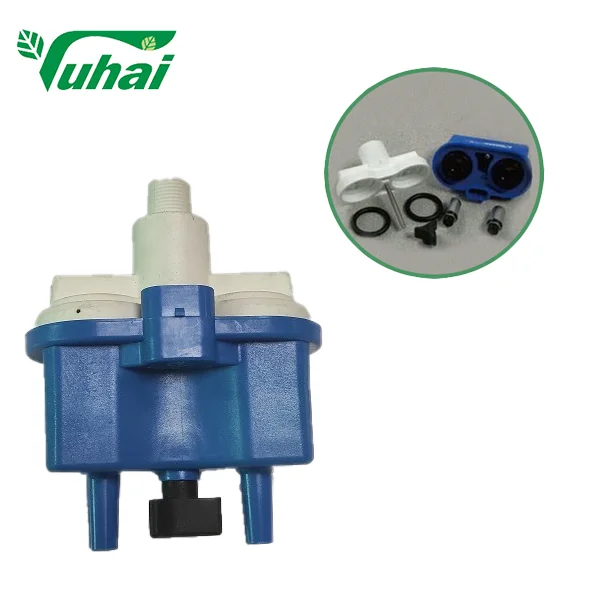
Verify that each teat cup on your portable milking machine is sized appropriately for the animal's anatomy; ill-fitting cups on your portable milking machine cause slippage and incomplete milk removal. Apply a thin layer of silicone-based lubricant to the interior of each cup on your portable milking machine to improve seal consistency without compromising hygiene. Before beginning a session with your portable milking machine, run sanitized water through cups to warm them; cold cups on your portable milking machine reduce teat elasticity and slow milk letdown. If milk still flows inconsistently despite these adjustments, the check valve inside your portable milking machine's collection manifold may be sticking. This one-way valve prevents backflow and is critical to your portable milking machine's proper operation; debris or mineral buildup forces valve replacement.
FAQ
Why does my portable milking machine stop working during a session?
Sudden shutdown of your portable milking machine usually indicates thermal overload, a tripped circuit breaker, or a clogged filter triggering a safety cutoff. Allow your portable milking machine to cool for 15 minutes, check that the power outlet is functioning, clean the air intake filter, and verify that no objects are blocking the motor housing. If your portable milking machine restarts after cooling, you may be exceeding continuous duty limits; rotate to a different portable milking machine unit or allow longer cooling periods between sessions. If shutdown persists, consult the manufacturer's safety guide or contact service support.
How often should I replace components in my portable milking machine?
Maintenance frequency for your portable milking machine depends on usage intensity and water hardness in your region. Inspect your portable milking machine's tubing, seals, and liners every 3 months; replace visibly degraded components immediately rather than waiting for failure. Most operators replace pulsator seals annually, teat cup liners every 12 to 18 months, and complete milk line tubing every 2 to 3 years. Descale your portable milking machine's internal pathways monthly using approved dairy-grade cleaners to prevent mineral accumulation that stresses components and reduces efficiency.
Can I use my portable milking machine on different animal species?
Most portable milking machine models are designed for specific animal anatomies, primarily goats or cattle. Using your portable milking machine on animals with significantly different teat sizes or configurations can cause incomplete milking, tissue damage, and reduced lifespan for your portable milking machine's cups. If you operate mixed livestock, maintain separate portable milking machine units configured for each species, or verify that your portable milking machine manufacturer approves multi-species use and provides appropriately sized cup options.