
 EN
EN



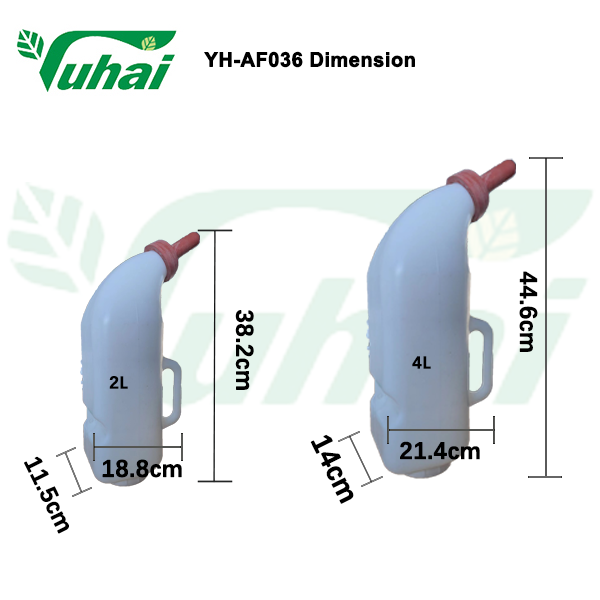
אימון עגלים לשתות מבקבוק לעגלים הוא כישרון יסודי בתפעול חקלאי מודרני של חלב ובקר, ומבטיח שבעלי חיים צעירים יקבלו תזונה מספקת בשלבים הקריטיים הראשונים של ההתפתחות שלהם. יצרנים רבים נתקלים בקשיים בעת מעבר עגלים מהנקה הטבעית לשיטות הזנה מלאכותיות, ולעיתים קרובות מתמודדים בהתנגדות, לחץ וקליטת תזונה בלתי מספקת שיכולה לפגוע בקצב הגדילה ובהתפתחות מערכת החיסון. שליטה בטכניקת אימון העגלים לבקבוק דורשת הבנה של התנהגות העגלים, בחירת ציוד מתאים, ויישום פרוטוקולי אימון סבלניים ועקביים שממזערים את הלחץ תוך מקסימיזציה של קליטת התזונה. מדריך מקיף זה מספק אסטרטגיות מעשיות שנבדקו בשטח ועוזרות למנהלי משק חיה לאמן בהצלחה עגלים לקבל ולשתות במרץ חלב או תחליף חלב מבקבוק לעגלים, ובכך מפחיתות את דרישות העבודה תוך תמיכה בריאותם וביצועיהם האופטימליים של העגלים.
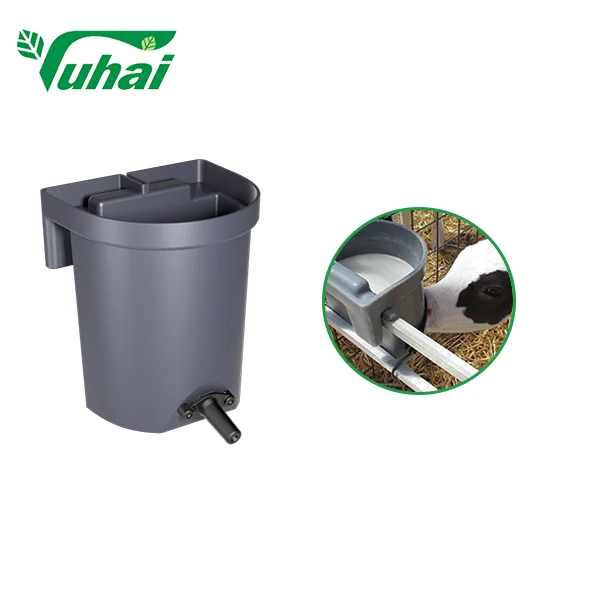
המעבר מהאמה לבקבוקון העגל מייצג מעבר התנהגותי משמעותי לעגלים תינוקות, אשר מחפשים באופן אינסטינקטיבי חום, ביטחון והריח המוכר של אמם במהלך האכילה. פרוטוקולי הדרכה מוצלחים מכירים באינסטינקטים הטבעיים הללו תוך היכרות הדרגתית עם ציוד האכילה המלאכותי בדרך שמקטינה את החרדה ומבססת קשרים חיוביים עם בקבוקון העגל. יצרנים שמושקעים בזמן בהדרכה מתאימה במהלך הימים הראשונים לחייהם מקימים רצף אכילה שמשתמר לאורך כל התקופה לפני הגעת הנקה, מה שמביא לעגלים שצורכים באופן עקבי את סדרת האוכל המלאה שלהם, מפגינים רמות דחק נמוכות יותר ומעריכים שיפור ברווח המשקל בהשוואה לעגלים שהודרכו בצורה לקויה. הבנת הגורמים הפיזיולוגיים והתנהגותיים המשפיעים על קבלת האכילה מאפשרת למנהלים לתכנן גישות הדרכה מותאמות לסוגי האופי השונים של העגלים ולמגבלות המתקנים.
הבנה בהתנהגות האכילה של העגל וההיערכות לה
אינסטינקטים טבעיים ליניקה ומעוררי אכילה
עגלים מציגים התנהגויות אכילה מולדות שמתגלה מיד לאחר הלידה, כולל תנועות של חיפוש בזנבות, רפלקס ספיגה ויכולת לאתר מקורות חלב באמצעות רמזים ריחניים ומיששיים. אינסטינקטים אלו התפתחו דרך התאמה אבולוציונית כדי להבטיח קליטת קולוסטרום מהירה, אשר מספק נוגדנים חיוניים ומאגרי אנרגיה הדרושים לשרידות. בעת הצגת בקבוקון לעגל, יצרנים חייבים להבין שעגלים מצפים באופן טבעי לחום, לטקסטורה רכה הדומה לבלוטת החלב ולחלב שמועבר בטמפרטורת גוף. רפלקס הספיגה בעגלים תינוקות הוא חזק ביותר במהלך 24–48 השעות הראשונות לחייהם, ולכן פרק זמן זה מהווה את התקופה האופטימלית לאימון ראשוני על ידי בקבוקון. עגלים שמקבלים את האכילה הראשונה שלהם מבקבוקון במהלך תקופה קריטית זו מתאימים בדרך כלל בקלות רבה יותר מאשר עגלים שמוכנסים לשיטות אכילה מלאכותיות מספר ימים לאחר הלידה.
הדחף לאכילה בעגלים נשלט על ידי אותות רעב, קשרים לומדים ורמות הנוחות הסביבתית. גישה מוצלחת לאימון מנצלת את הרעב הטבעי של העגל לאחר הפרדה מהאם, ומוציאה את הבקבוק לעגל ברגע שהחיות מוטוות לחפש תזונה אך אינן מודאגות או עייפות באופן קיצוני. עגלים שרעבים מדי עלולים להפוך פראניים ולתקוש בкоורדינציה של תנועות המאכילים, בעוד אלו שלא מוטוות מספיק עלולות לסרב להתעסק עם ציוד לא מוכר. תצפיות על סימני התנהגות כגון תנועות לשון, דפוסי קריאות ותנועות חוקרות של הראש עוזרות למאמנים לזהות את הרגע האופטימלי להצגת הבקבוק לעגל. מאמנים מוצלחים עובדים עם המניעים הטבעיים של העגל ולא נגדם, תוך שימוש בסבלנות ובהתמדה עדינה כדי ליצור התנהגויות אכילה רצויות.
הזמן האופטימלי להצגת הבקבוק הראשונית
השעות השש עד שתים עשרה הראשונות לאחר הלידה מייצגות את התקופה הפתוחה ביותר לאימון עגלים באבוקות, כיוון שחדשים נולדים מפגינים רפלקס ספיגה חזק ולא פיתחו עדיין ציפיות קשיחות בנוגע לשיטות האכילה. יצרנים מנוסים רבים מתחילים באימון מיד לאחר שמעגל הסתננות מהאמה או לאחר שקיבלו קולוסטרום דרך אבוקת העגל בסביבה מבוקרת. חשיפה מוקדמת זו מנצלת את דחף האכילה הטבעי של העגל וממזערת את הבלבול שיכול להתרחש כאשר עגלים עוברים מספר מעברים בשיטות האכילה. מתקנים המפרידים בין עגלים לאימהותיהם זמן קצר לאחר הלידה צריכים לתת עדיפות לאימון עגלים באבוקות באופן מיידי כדי לקבוע טקסים קבועים לאכילה ולמנוע את היווצרות התנהגויות ספיגה לא רצויות שמקשות על מאמצי האימון הבאים.
השהיה בהגשת בקבוק העגלים מעבר ל-48 השעות הראשונות מגבירה את הקושי באימונים, מאחר שמעגלים הופכים מודעים יותר לסביבתם ועשויים לפתח העדפות לשיטות או סביבות הזנה מסוימות. עם זאת, עגלים שהוצגו להזנה דרך בקבוק בשלבים מאוחרים יותר יכולים עדיין לעבור אימון מוצלח באמצעות פרוטוקולים معدلים שמתאימים לתפיסה המוגברת שלהם ולהתנגדות האפשרית שלהם. הגורם המרכזי הוא עקביות בגישה: המאמנים צריכים להשתמש באותו דגם בקבוק עגלים, אותו סוג פטמה ואותה סביבת הזנה לאורך כל תקופת האימון. עגלים החווים שינויים תכופים בציוד או בטכניקות ההנחייה של המטפלים נוטים להראות בלבול וקבלת שיטות הזנה מלאכותיות באיחור. גם הזמינות היומית של הזנה היא קריטית, ומרבית הפעולות המוצלחות קובעות זמני הזנה קבועים שמתאימים למחזורים הטבעיים של הרעב של העגל.
בחירת והכנה של ציוד בקבוק עגלים מתאים
מאפייני עיצוב הבקבוק שמקלים על האימון
התכונות הפיזיות של בקבוק עגל משפיעות באופן משמעותי על הצלחת האימון, כאשר תכונות כגון נפח הבקבוק, עיצוב הידית, שיטות היצמדות הלסת, ועמידות החומר ממלאות תפקיד קריטי בנוחיות השימוש ובקבלת העגל. בקבוקי עגלים באיכות גבוהה מכילים בדרך כלל שניים עד שלושה ליטרים של נוזל, מה שנותן נפח מספיק לאיסוף אחד תוך כדי שהבקבוק נשאר נוח להחזקת המטפלים, אשר חייבים לתמוך בו במהלך ישיבות איסוף ממושכות. בקבוקים שקופים או חצי שקופים מאפשרים למאמנים לעקוב אחר רמות החלב וקצב הזרימה, מה שמאפשר התאמות בזמן אמת לזווית האיסוף וללחץ. ידיות ארגונומיות והפצת משקל מאוזנת מפחיתות את עייפות המטפלים במהלך ישיבות האימון, אשר לעיתים קרובות דורשות שמירה על מיקום קבוע של הבקבוק במשך מספר דקות תוך כדי שלומד העגל טכניקות ספיגה מתאימות.
עיצובי בקבוקי עגלים מודרניים כוללים תכונות שמדמות את תנאי היניקה הטבעיים, כולל גופי בקבוק גמישים המאפשרים דחיסה קלה כדי לסייע בשטף החלב ומכסי בקבוק עם פתחי אוורור שמונעים היווצרות של ואקום. שיפורים הנדסיים אלו מפחיתים את המאמץ הפיזי שנדרש מעגלים כדי למשוך את החלב, מה שהופך את חווית ההאכלה לפחות מתסכלת בשלב הלמידה. חומר הבקבוק חייב להיות פלסטיק מתאים למזון, שמתנגד לשבירה באקלים קריר ונותר קל לניקוי ולסניטציה בין האכילות. חלק מהמערכת המתקדמת לבקבוקי עגלים כוללת סימוני מדידה שיכולים לעזור למנהלים להבטיח גדלי порציות אחידים, וגם פיות מדורגים שמתאימים לעגלים בשלבים שונים של ההתפתחות שלהם. בחירת הציוד המתאים לגודל הפעולה ולעומס הניהולי מבטיחה שהפרוטוקולים לאימון ישארו פרקטיים וברות-קיימה.
בחירת הפטמות ושיטות ההכנה שלהן
המפרץ מהווה את הממשק הקריטי ביותר בין העגל לבקבוק העגל, ומשפיע ישירות על רצון העגל לשתות ועל יעילות העברת החלב. מפרצים מ каучוק טבעי מספקים טקסטורה וגמישות הדומות מאוד למפרץ של הפרה, מה שמביא בדרך כלל לקצב קליטה מהיר יותר בהשוואה לחומרים סינטטיים קשיחים יותר. גודל הפתיחה במפרץ חייב לאזן בין קצב הזרימה לבין כוח הhapicha של העגל, כאשר פתיחות קטנות מדי גורמות לתסכול ופתוחות גדולות מדי עלולות לגרום להחנק או לצמצום מעורבות ההתנהגויות הטבעיות של hapicha. רבים מהמאמנים החווייתיים מעדיפים מפרצים עם פתחים חתוכים בצלב או בצורת כוכב שמתפשטים באופן פרופורציונלי ללחץ hapicha, ומכווננים אוטומטית את קצב הזרימה כדי להתאים ליכולות האישיות של כל עגל.
הכנה מתאימה של הפטמות לפני כל ישיבה לאכילה מגבירה את הצלחת האימון על ידי הבטחת טמפרטורה, טקסטורה ומאפייני זרימה אופטימליים. חימום קל של הפטמה על ידי הפעלת מים חמים עליה לפני ההתקנה הופך את החומר ליותר גמיש ונוח לעגל, במיוחד בתנאי מזג אוויר קרים. בדיקת זרימת החלב על ידי הפיכת בקבוק העגל המontaž וה관ת קצב הנסירה עוזרת לזהות בעיות פוטנציאליות לפני הצגת הבקבוק לעגל. הזרימה האידיאלית מאפשרת זרם יציב של טיפות כאשר הבקבוק נמצא במצב הפוך, אך אינה יוצרת זרימה רציפה. בדיקה תקופתית של הפטמות למטרות סימני בלאי, סדקים או התרחבות של הפתח שומרת על חוויית אכילה עקבית ומונעת תסכול הנגרם כשל ציוד במהלך ישיבות האימון.
פרוטוקולי אימון צעדים-לצעד לקבלת בקבוק עגל
שיטות התקשרות ראשונית והכרת ריח
האינטראקציה הראשונה בין העגל לבקבוק לעגלים יוצרת קשרים קריטיים שמשפיעים על כל מאמצי האימונים הבאים. התחלו על ידי מתן אפשרות לעגל לחקור את הבקבוק והפיה באמצעות התנהגויות חקריות טבעיות, תוך הצגת הציוד קרוב לאף העגל ללא כפייה להתחברות. רבים מאימנים משפרים את הקבלה על ידי הכסת הפיה בכמות קטנה של חלב או קולוסטרום, מה שיוצר מסלול ריח שמעורר את אינסטינקטי האכילה של העגל. רמז זה החושי עוזר לעגל לקשר את הפיה המלאכותית עם תזונה, תוך ניצול אותו מסלול חושי המשמש למציאת הפרסה של האם. אימנים סבלניים מאפשרים לעגלים ללעוס ולנשוך את הפיה בקצב שלהם, ובכך מקדמים את ההיכרות לפני שמתנסים לעודד ספיגה פעילה.
המיקום הוא גורם קריטי בשלב ההיכרות הראשוני של העגל עם הבקבוק, ורוב הגישות המוצלחות ממקמות את המאמן לצד העגל או מעט מאחוריו מהכתף, ולא ישירות מולו. מיקום זה מדמה את זווית האכילה הטבעית ומפחית את התפיסה האיום של אדם שמתקרב למול. הנחיה עדינה של ראש העגל לכיוון הפטם תוך תמיכה בפרק החך מלמטה מעודדת את הזווית הנכונה לספיגה. חלק מהמאמנים מצליחים על ידי כך שמאפשרים לעגלים לספוג באצבעות שמכוסות חלב, ולאחר מכן מכניסים בהדרגה את פטם הבקבוק כהחלפה לאצבעות. טכניקת המעבר מאצבע לפטם זו יעילה במיוחד בעגלים סרבים או עצבניים שדורשים נחמה נוספת לפני שמקבלים ציוד אכילה מלאכותי.
עידוד ספיגה פעילה ושימור מעורבות
ברגע שהעגל נוגע בפיה במחט, המאמן חייב לעודד תנועות מיצוץ מתמשכות שיגרמו לצריכת חלב ולא לתופעות של רק פיה או ריסוק. לחיצה עדינה על הבקבוק יכולה לשחרר כמות קטנה של חלב לפיו של העגל, מה שנותן גמול מיידי שמגביר את פעולת המיצוץ. יש למקם את בקבוק החלב בזווית קלה כלפי מעלה, כך שהעגל יצטרך להרים מעט את ראשו, כפי שעושה בעת האכלה מהאם. זווית טבעית זו מונעת מהחלב לזרום מדי מהר, מפחיתה את סיכון הנספחים (אספירציה) ומעודדת את העגל להשתמש בשרירי הצוואר והלסת בתנועות אכילה מתואמות.
התמודדות עם הקשב של העגל לאורך כל ישיבת האכילה דורשת תגובה לסימני ההתנהגות שלו והתאמה של הטכניקה בהתאם. עגלים שמתנתקים או מתפזרים עלולים להזדקק לעצירות קצרות כדי לאסוף את עצמם לפני שהחזרה לניסיון האכילה. לחץ עדין וקבוע שמונע מהחלבון להתנתק מהפה, בשילוב קולות מעודדים או תנועות חיטוט לאורך גוף העגל, עוזרים לשמור על הקשב של העגל למטרת האכילה. משך ישיבות האימון הראשונות צריך להתאים לזמן הקשב ולרמת האנרגיה של העגל, ובדרך כלל נע בין חמש ל-15 דקות. המאמנים צריכים לכוון לכך שהעגל יבליע לפחות מחצית מהנפח המתוכנן של החלב בישיבה הראשונה בה הוא מצליח, בעוד שאכילה מלאה נוהגת להתקבל כבר בישיבה השנייה או השלישית, ככל שрастות הביטחון והכישורים של העגל.
אבחון ופתרון בעיות התנגדות וסרבנות באכילה
לחלק מהעגלים יש התנגדות חזקה לאימון בקבוק לעגלים, ומביעים התנהגויות הימנעות כגון ניעור הראש, נסוגים לאחור או דחיפה אגרסיבית כלפי המטפל. תגובות אלו נובעות לרוב מלחץ, חוויות שליליות קודמות או העדפות עזות במיוחד ליניקה טבעית. המטפלים שמתקלים בהתנגדות כזו צריכים תחילה להעריך גורמים סביבתיים, כולל רמות הרעש, תאורת האזור, הטמפרטורה והנוכחות של בעלי חיים אחרים שיכולים להגביר את החרדה. מעבר הפעולה לאימון לקבוק לאזור שקט יותר וסגור יותר לרוב מפחית את המפריעים ועוזר לעגל להתמקד במשימת האכילה. הפחתת הנוכחות הפיזית של המטפל על ידי עבודה מצד העגל או דרך מחיצות התא עשויה לעזור לעגלים חסידים במיוחד להרגיש פחות מאוימים במהלך ההיכרות עם הקבוק לעגלים.
סירוב מתמשך עלול לדרוש גישות معدلות, כגון תקופות קצרות של רעב מוגבר כדי לחזק את המוטיבציה לאכילה, אף על פי שמאומנים חייבים לשקול גישה זו מול הצורך בבריאות ובתזונה מספקת. חלק מהפעולות מצליחות להשתמש במערכת החברתית של 'בן-זוג', שבה עגל מאומן אוכל בו זמנית מתוך בקבוק עגל אחר, ומספק לעגל הלא מוכן לעזרה חברתית. במקרים של התנגדות קיצונית, יש לפנות לייעוץ של מקצוענים וטרינרים כדי לשלול בעיות בריאותיות נסתרות כגון כאב פה, בעיות נשימתיות או פגמים נוירולוגיים שעלולים לפגוע ביכולת הספיגה. תיעוד ניסיונות האימון, כולל תגובות העגל וכל שינוי בטכניקות, מאפשר למאומנים לשפר את הגישה שלהם באופן שיטתי ולזהות דפוסים שיכולים להצביע על הצלחה או על הצורך בשיטות הזנה חלופיות.
ה Establishment של סדרי אכילה קבועים ולוחות זמנים
שקולות של תדירות ונפח במהלך האימון
לוח הזמנים להאכלה במהלך שלב האימון חייב לאזן בין הדרישות התזונתיות לבין המציאות המעשית של התערבות אנושית תדירה ובין כושר הלמידה של העגלים. ברוב מפעלי ההלבנה והבקר мяс, מיישמים לוח זמנים של שתי אכילות ביום לעגלים שצורכים חלב או תחליף חלב מתוך בקבוק עגלים, כאשר זמני האכילה מרוחקים זה מזה בערך שתים-עשרה שעות. לוח זה מתאם את דפוסי ההנקה הטבעיים תוך כדי שנותר ידידותי למשאבים האנושיים של החווה. במהלך תקופת האימון הראשונית, חלק מהיצרנים מוסיפים אכילה בצהריים כדי להפחית את הלחץ הנגרם מרעב ולספק אפשרויות נוספות לאימון, ובהדרגה מבטלים את אכילה זו כשעגל מפגין צריכה עקבית בשתי האכילות העיקריות.
המלצות נפח משתנות בהתאם לגודל העגל, גילו ויעדי הגדילה, אך הנחיות אופייניות ממליצות להציע 10% עד 12% ממשקל הגוף בחלב או תחליף חלב שהוכן מחדש מדי יום, המחולק על פני האכלות המתוכננות. במהלך אימוני האימון המוקדמים, עגלים עשויים שלא לצרוך את מלוא המנה שלהם, מה שמחייב את המאמנים לגלות סבלנות ולהימנע מהאכלה בכפייה, דבר שעלול ליצור אסוציאציות שליליות עם בקבוק העגל. הגדלה הדרגתית של הכמות ככל שמיומנותו וביטחונו של העגל משתפרים מבטיחה צריכה תזונתית קבועה מבלי להעמיס על בעל החיים. ניטור משקל הגוף, עקביות הצואה ומדדי התנהגות של שובע מסייע למנהלים להתאים את נפחי ההאכלה בהתאם. עגלים המסרבים באופן עקבי לסיים את המנה שלהם עשויים להזדקק להערכה לבעיות בריאותיות, בעוד שאלו שמרוקנים את בקבוק העגל במהירות ומחפשים עוד עשויים להפיק תועלת ממנות מוגדלות או התאמות ריכוז.
התקנת הסביבה לשם הצלחת ההזנה האופטימלית
הסביבה הפיזית שבה מתרחשת האימון של עגלים בזוניות משפיעה באופן משמעותי על שיעורי ההצלחה ומשך זמן האימון. קבינות פרטניות לעגלים או גדרות קבוצתיות קטנות מספקות סביבה מבוקרת שמגבילה את המפריעים ומאפשרת למנהלים להתמקד בפרטים האינדיבידואליים של כל עגל במהלך האכילה. אזור האכילה חייב להיות נקי, יבש ו محمי מתנאי מזג האוויר הקיצוניים שעלולים להרתיע את העגלים מלעשות שימוש בזוניות. תאורה מספקת מאפשרת למנהלים לצפות בתנועות הפה והגרון של העגל, כדי להבטיח בליעה תקינה ולזהות סימנים של שאיפה או מצוקה. חלק מהמתקנים מגדירים תחנות אכילה ספציפיות שבהן העגלים לומדים לקשר בין מיקומים מסוימים להצגת הזוניות, ויוצרים רמזים מרחביים שמעוררים התנהגויות אכילה.
ניהול הטמפרטורה של הסביבה והחלב עצמו משפיע על נכונות העגל לשתות מהבקבוק. חלב או חלב מחליף צריך להיות מוצע ב-105 מעלות מעלות, בהתאם היטב לטמפרטורת הגוף ולגדיל את הטעם. חלב קר יכול לגרום לבעיות עיכול ולהפחית את צריכתו הרצויה, בעוד נוזל חם מדי עלול לשרוף את הפה של העגל ולהפוך את הפח לאובייקטיבי. שימוש בבקבוקים מבודדים או במגירות חימום מסייע לשמור על טמפרטורות מתאימות, במיוחד בחודשי החורף או בעת הובלת חלב מאתרי ערבוב למקומות האכלה. תנאי סביבה עקביים במהלך מפגשי אימון מקטין משתנים שעלולים לבלבל את העגלים או להפריע לדפוסי האכלה המוסד, מהיר את ההתקדמות מהקבלה ניסיונית לצריכה להוטה.
טכניקות מתקדמות עבור עגלות שקשה לאמן
אסטרטגיות לעורר מעורבות מרובה חושים
עגלים שמתנגדים לפרוטוקולים הסטנדרטיים לאימון עשויים להגיב בגישה מוגברת לחושים, היוצרת קשרים חזקים יותר בין הבקבוק לעגל ולחוויות אכילה חיוביות. חלק מאימנים מגבירים את הטעמה על ידי הוספת כמויות קטנות של חומרים משפרי טעם או חומרים מתוקים לחלב, ויוצרים פרופילי טעם שמעודדים חקירה ובליעה. עם זאת, תוספים אלו יש להשתמש בהם במתינות ובאופן הדרجي להפסקתם, כדי למנוע התמכרות לטעמים מלאכותיים. סטימולציה חישופית במהלך האכילה, כגון גירוד עדין או מחיקה באזורים שבעגל נוחים, יוצרת קשרים רגשיים חיוביים להצגת הבקבוק לעגל. חוויות החישה המשולבות הללו עוזרות להתגבר על ההתנגדות של העגל על ידי מעורר מסלולים עצביים מרובים בו זמנית.
מבחני חזות יכולים גם לשפר את יעילות האימון, במיוחד בעגלים שנצפו אחרים מאכלים. לאפשר לעגל קשה לצפות בעגלים מואלמים ששותים חלב מבקבוק העגלים לפני שינסה בעצמה לשתות, מספקת הזדמנויות ללמידה תצפיתית שיכולה להפחית את ההתנגדות. חלק מהמרחבים משתמשים בצבעים נגדיים בציוד בקבוקי העגלים כדי ליצור הבחנות חזותיות חזקות יותר שיעזרו לעגלים לזהות את זמן האכילה. מבחני שמיעה, כולל קולות מילוליים עקביים או צלילים סביבתיים הקשורים לאכילה, יכולים להפעיל התנהגויות צפויות שיגרמו לעגלים להיות פתוחים יותר כאשר מוצגים בקבוק העגלים. גישות רב-מודליות אלו הוכחו כמועילות במיוחד במרחבים מסחריים המאמנים מספר עגלים בו זמנית, שם זמן ההתייחסות הפרטנית עשוי להיות מוגבל.
טכניקות מעבר הדרجي לעגלים שתחילתם באימון מאוחרת
עגלים שחלפו עליהם מספר ימים או שבועות של הנקה טבעית דורשים גישות معدلות שמביאות בחשבון את העדפות האכילה שהשתרשו אצלם ואת המודעות הגבוהה שלהם לשינויים בסביבה. טכניקות הפרדה הדרגתית שפוחתות לאט את ההקשר עם האם תוך כדי הצגת ישיבות אכילה מודריגות בעקבות בקבוק עזרת לעגלים המבוגרים הללו להתאים את עצמם ללא חווית דחק קשה. חלק מהמאמנים מתחילים בהצעת בקבוק לעגל בעודו עדיין מקבל גישה חלקית לָאֵם, מה שמאפשר לחיות לחקור את הציוד באופן רצוני לפני שמתבקש מהם התלות המלאה במזון ממנו. ההיכרות הרגועה הזו מפחיתה את החרדה ונותנת לעגל שליטה על קצב הלמידה שלו.
לעגלים בגיל שני עד ארבע שבועות, אשר מתחילים את אימון הבקבוק לעגלים, ניהול הרעב הופך קריטי יותר, מאחר שבעלי חיים אלו יש להם דרישות תזונתיות גדולות יותר ויכולים להפוך לאגרסיביים מדי או לאבד השראה אם מושכי האימון ארוכים מדי. חלוקת האימון למספר מושכים קצרים במהלך היום, במקום ניסיונות ארוכים בודדים, שומרת על מעורבות העגל ללא גרימת עייפות. חלק מהמפעלים מוצאים הצלחה בשימוש בעכברים מעובדים באופן מעברי שמקשרים בין עכברים טבעיים לעכברים סטנדרטיים לבקבוק, ומספקים טקסטורה מוכרת עם מאפייני זרימה משתנים בהדרגה. תיעוד ההתקדמות היומית, כולל נפחי הצריכה והתגובות התנהגותיות, מאפשר למאמנים להתאים את גישתם בצורה שיטתית ולנבא את המועד שבו יושג האכילה העצמאית מהבקבוק לעגלים.
שאלה נפוצה
כמה זמן בדרך כלל לוקח לאמן עגל לשתות מבקבוק לעגלים?
לרוב העגלים לומדים לשתות בביטחון מבקבוק לעגלים תוך שתי עד ארבע פעולות הזנה, כאשר ההדרכה מתחילה במהלך ה-24–48 השעות הראשונות לחייהם. עגלים שמתחילים לשתות מבקבוק מיד לאחר הלידה נוטים לקבל את הציוד כבר בפעם הראשונה או השנייה של ניסיון שתייה, ושותים תחילה כמויות חלקיות, תוך התקדמות לקליטת הכמות המלאה כבר בפעמיים השלישית או הרביעית. עגלים מבוגרים יותר או כאלה שכבר חוו חוויה של יניקה טבעית עלולים לדרוש חמישה עד עשרה ניסיונות, המפוזרים על פני מספר ימים, כדי להגיע לצריכה רציפה ובהתנדבות. השונות האישית, שנובעת מתכונות האישיות, מצב הבריאות והטכניקות של המטפל, גורמת לכך שחלק מהעגלים מתאימים כמעט מיידית, בעוד אחרים זקוקים להדרכה ממושכת וסבלנית יותר.
מה עלי לעשות אם עגל סרב לשתות מבקבוק לעגלים לאחר מספר ניסיונות?
סירוב מתמשך לאחר מספר מושבי אימון מחייב הערכה שיטתית של סיבות פוטנציאליות קיימות, החל בהערכה בריאותית כדי לשלול מחלה, כאב בפה או בעיות נשימתיות שמפריעות ליכולת היניקה. יש לבדוק שהציוד להאכלה באמצעות בקבוקון עגלים פועל כראוי, ושהזרימה דרך הפיה נוחה והטמפרטורה של החלב היא כ-38–40.5 מעלות צלזיוס. ניתן לנסות לשנות את סביבת האימון כדי להפחית את הלחץ, למשל על ידי שימוש במיקומים שקטים יותר, עם פחות הפרעות חזותיות ונוכחות קבועה של המטפל. אצל עגלים מסוימים שמתנגדים לאימון, עוזר שינוי בסגנון הפיה או הסכמה זמנית ליניקה באצבע כדי לחזק את רפלקס היניקה, לפני החזרה לאיטיות לפיה המלאכותית. אם עולות דאגות לרמת הרווחה בשל תזונה לקויה, יש לפנות ליועץ וטרינרי לצורך שיקול אפשרות של הזנת שפופרת זמינה, תוך המשך האימון ההדרجي.
האם אפשר לאמן מספר עגלים לשתות מבקבוקון עגלים בו זמנית?
אימון של מספר עגלים יחד הוא אפשרי בסיטואציות של אירוח קבוצתי, ואף עלול לסייע בתהליך הלמידה דרך תצפית חברתית, למרות שדרוש נוכחות מספקת של מטפלים כדי לספק תשומת לב מספקת לכל חיה. במערכות המאכלות עגלים בקבוצות, יש להתחיל באימון פרטני של עגלים כדי ליצור גרעין של אוכלים בטוחים שימשכו כדוגמאות לעגלים חדשים. בעת היכרות עגלים לא מאומנים עם קבוצה קיימת, נוכחות של שני מטפלים מאפשרת לאחד לנהל את העגלים החווים בעוד שהשני מתמקד באימון העגל החדש. גישה זו עובדת הכי טוב עם ציוד סטנדרטי לבקבוקי עגלים ועם טקסים קבועים של האכלה שיוצרים דפוסים צפויים. עם זאת, מושבים ראשונים של אימון לעגלים מאוד צעירים או לעגלים שמתנגדים במיוחד יפיקו תועלת מהתייחסות פרטית בסביבה מבודדת לפני מעבר למערכות האכלה הקבוצתיות.
האם עלי להמשיך להשתמש בבקבוק לעגל אם העגל שותה במהירות מדי או באגרסיביות?
צריכה אגרסיבית או מהירה מדי מהבקבוק לגורים, אף על פי שהיא מעידה על דחף תזונה חזק, עלולה להוביל לאי נוחות עיכול, לסיכון של ספיגה ריאותית (אספירציה) או לבעיות התנהגותיות אם לא מטופלת באופן מתאימה. המשיכו להשתמש בבקבוק לגורים, אך שנו את הקצה כדי להפחית את קצב הזרימה – בין אם על ידי בחירת קצות בעלי פתחים קטנים יותר ובין אם על ידי התאמת הקצות הקיימים כדי להגביל את מעבר החלב. הניחו את הבקבוק בזווית עולה חדה יותר כדי להאט באופן טבעי את קצב הצריכה ולעודד את הגור לשים מאמץ רב יותר בכל בליעה, מה שמדמה טוב יותר את המכניקה הטבעית של היניקה. חלק מהמפעלים מעבירים גורים שצורכים באגרסיביות למערכות הזנה אוטומטיות או למערכות הזנה מקרדום עם קצות שמביאות לבקרה טובה יותר על קצב הצריכה. עקובו אחר סימנים לבעיות עיכול כגון נפיחות, שלשולים או ירידה בתיאבון, אשר עלולים לרמז כי יש צורך בהתאמת נוספת של קצב הצריכה באמצעות שינויים בציוד – ולא בהפסקת השימוש בבקבוק לגורים לחלוטין.