
 EN
EN



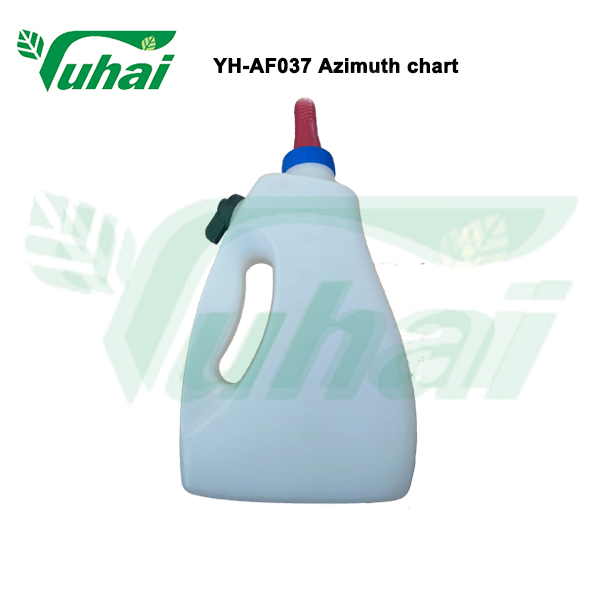
Raising healthy calves demands meticulous attention to every aspect of their care, and one of the most frequently overlooked elements is the cleanliness of feeding equipment. For dairy and beef operations alike, maintaining proper hygiene when using a calf bottle directly influences the animal's immunity, growth trajectory, and overall survival rate during the vulnerable neonatal period. Bacterial contamination from inadequately cleaned feeding tools can introduce pathogens that overwhelm a calf's developing immune system, leading to scours, respiratory infections, and even septicemia. Understanding why thorough cleaning of each calf bottle matters is not merely a best practice—it represents a foundational pillar of responsible livestock management that protects both animal welfare and farm profitability.
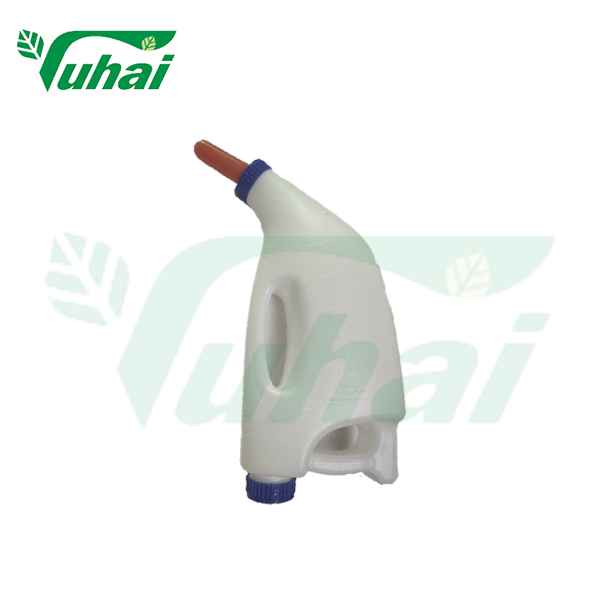
The neonatal calf operates with a fragile digestive and immune environment, making it extraordinarily susceptible to infectious agents that older cattle might resist effortlessly. When feeding tools such as a calf bottle accumulate milk residue, biofilms form rapidly on interior surfaces, creating ideal breeding grounds for harmful bacteria including E. coli, Salmonella, and Cryptosporidium. These microorganisms multiply exponentially in warm, moist environments, and each subsequent feeding becomes a vehicle for pathogen transmission unless stringent sanitation protocols are implemented. The consequences extend beyond individual animal health—outbreak scenarios can devastate entire calf cohorts, compromise colostrum transfer effectiveness, and impose substantial economic burdens through treatment costs, mortality losses, and reduced weaning weights that affect lifetime productivity.
The Biological Vulnerability of Newborn Calves
Immature Immune System Function
Newborn calves enter the world with virtually no circulating antibodies, relying entirely on colostrum intake within the first hours of life to acquire passive immunity. This immunological deficit persists for several weeks as the calf's own immune competence gradually develops. During this critical window, any pathogen introduced through contaminated feeding equipment encounters minimal resistance. The mucosal lining of the calf's gastrointestinal tract, still developing its protective barrier functions, permits easier translocation of bacteria into systemic circulation. When a calf bottle harbors pathogenic microbes, each feeding delivers a concentrated dose directly into this vulnerable system, potentially triggering severe diarrheal disease or systemic infection before the animal can mount an effective immune response.
Research consistently demonstrates that calves receiving milk through improperly sanitized equipment experience significantly higher rates of enteric disease compared to those fed with rigorously cleaned tools. The timing of pathogen exposure matters tremendously—infections occurring within the first two weeks of life correlate with higher mortality rates and more severe long-term impacts on growth and feed efficiency. Proper cleaning of every calf bottle thus functions as a primary disease prevention strategy, reducing the pathogen load that young animals encounter and allowing their developing immune systems to mature without being overwhelmed by preventable infectious challenges.
Gastrointestinal Tract Development
The calf's digestive system undergoes rapid anatomical and functional changes during the pre-weaning period, transitioning from a monogastric-like state focused on milk digestion to the complex ruminant system characteristic of adult cattle. During these early weeks, the abomasum and small intestine handle milk processing, with delicate epithelial tissues that are particularly susceptible to inflammation and damage from bacterial toxins. Contaminated feeding equipment introduces not only live pathogens but also their metabolic byproducts, endotoxins that can disrupt normal digestive function even in subclinical amounts. Persistent low-grade exposure from a dirty calf bottle may not cause dramatic clinical disease but can impair nutrient absorption, compromise gut barrier integrity, and establish chronic inflammatory conditions that reduce feed conversion efficiency throughout the animal's productive life.
Furthermore, the establishment of healthy gut microbiota represents a critical developmental milestone that influences metabolic health and immune function for years to come. Beneficial bacterial populations must colonize the intestinal tract in proper proportions, a process that contaminated feeding implements can severely disrupt. When pathogenic species dominate early colonization due to repeated introduction via unsanitary calf bottle use, they occupy ecological niches that beneficial microbes would otherwise fill, potentially creating long-lasting dysbiosis. This microbial imbalance has been linked to increased susceptibility to respiratory disease, reduced response to vaccines, and impaired growth performance that persists well beyond the milk-feeding stage.
Pathogen Accumulation and Biofilm Formation
Milk Residue as a Growth Medium
Milk represents an exceptionally nutrient-rich substance containing proteins, fats, carbohydrates, vitamins, and minerals—precisely the components that support explosive bacterial proliferation. Even microscopic amounts of milk remaining in a calf bottle after feeding provide sufficient nutrients for bacterial populations to multiply to dangerous levels within hours. At typical ambient temperatures found in calf barns, bacterial counts can double every twenty minutes, meaning that a bottle cleaned inadequately in the morning can harbor millions of organisms by the next feeding. The interior surfaces of bottles, particularly nipples and tubes, contain crevices and junction points where milk residue accumulates and proves difficult to remove without proper cleaning techniques and tools.
Protein components in milk denature and adhere strongly to plastic and rubber surfaces, creating stubborn deposits that mechanical rinsing alone cannot eliminate. These protein films serve as anchor points for bacterial attachment and subsequent biofilm development. Once established, biofilms shield bacteria from environmental stresses and disinfectants, creating reservoirs of infection that persist despite superficial cleaning attempts. A calf bottle that appears visually clean may still harbor significant biofilm accumulation in areas that standard rinsing cannot reach, necessitating specialized cleaning implements designed to physically disrupt these microbial communities.
Environmental Persistence of Pathogens
Many pathogens of concern in calf rearing demonstrate remarkable environmental stability, surviving for extended periods on improperly cleaned surfaces. Cryptosporidium oocysts, a leading cause of neonatal calf diarrhea, exhibit exceptional resistance to common disinfectants and can remain infective on bottle surfaces for weeks under favorable conditions. Salmonella species can persist in dried milk residue, reactivating when moisture is reintroduced during the next feeding preparation. Even viral agents such as bovine coronavirus and rotavirus maintain infectivity on contaminated equipment for days, creating cross-contamination risks that affect multiple calves if bottles are not adequately sanitized between uses or between different animals.
The environmental stability of these organisms means that cleaning protocols must achieve true disinfection rather than mere visual cleanliness. A calf bottle that looks clean to the naked eye may still carry infectious doses of pathogens in microscopic quantities. This reality underscores why proper cleaning requires not only thorough mechanical scrubbing to remove organic matter but also appropriate chemical disinfection to eliminate residual microorganisms. Temperature also plays a crucial role—hot water significantly enhances both cleaning efficacy and pathogen destruction, while cold water rinses leave fats and proteins partially adhered to surfaces, providing continued substrate for bacterial growth.
Health Consequences of Inadequate Bottle Sanitation
Enteric Disease and Scours
Diarrheal disease remains the leading cause of morbidity and mortality in pre-weaned calves, with contaminated feeding equipment serving as a primary transmission route for causative pathogens. When a calf bottle introduces bacteria or protozoa into the digestive tract, the resulting inflammation damages intestinal epithelial cells, compromising their ability to absorb nutrients and maintain fluid balance. Severe scours leads to rapid dehydration, electrolyte imbalances, and metabolic acidosis, conditions that can prove fatal within hours if untreated. Even calves that survive acute diarrheal episodes often experience lasting consequences including stunted growth, delayed development of rumen function, and increased susceptibility to secondary infections during recovery periods when immune resources are depleted.
The economic impact of scours extends well beyond immediate treatment costs. Affected calves require intensive nursing care, consume additional labor resources, and may need expensive medical interventions including fluid therapy and antimicrobial treatment. Growth setbacks during the critical pre-weaning period translate directly into delayed breeding readiness for heifers and reduced carcass weights for beef calves, representing substantial lost revenue potential. Prevention through meticulous calf bottle hygiene proves far more cost-effective than managing disease outbreaks, yet many operations fail to implement adequately rigorous cleaning protocols until experiencing significant losses that could have been avoided through proper sanitation practices.
Respiratory Disease Complex
While the connection between feeding equipment cleanliness and digestive health appears intuitive, fewer producers recognize that contaminated calf bottle use also contributes to respiratory disease susceptibility. The relationship operates through multiple mechanisms, beginning with the fact that enteric infections stress the calf's overall immune system, diverting resources away from respiratory tract defenses. Calves experiencing even subclinical gastrointestinal challenges show reduced response to respiratory pathogens, making them more vulnerable to pneumonia-causing organisms. Additionally, the act of feeding itself can become a vector for respiratory disease transmission when bottles are shared among calves or when contaminated equipment is handled near the calf's face, facilitating aerosol or direct contact spread of respiratory viruses and bacteria.
Systemic bacterial infections originating from gastrointestinal translocation can seed the respiratory tract with pathogens that establish secondary infections. Septicemic calves, those with bacteria circulating in the bloodstream due to overwhelming enteric infection, frequently develop concurrent pneumonia as organisms localize in lung tissue. This multi-system disease pattern carries a particularly grave prognosis and highlights how seemingly isolated sanitation failures with feeding equipment can cascade into complex, difficult-to-treat disease conditions. Maintaining pristine calf bottle hygiene thus serves as an integral component of comprehensive respiratory disease prevention programs, working synergistically with ventilation management, vaccination protocols, and colostrum administration to protect overall calf health.
Effective Cleaning Protocols and Best Practices
Mechanical Cleaning Requirements
Achieving genuinely clean feeding equipment requires understanding that chemical disinfection cannot substitute for thorough mechanical cleaning—both elements are essential and must be performed in the correct sequence. Immediately after each feeding, the calf bottle should be rinsed with warm water to prevent milk from drying onto surfaces, where it becomes exponentially more difficult to remove. Following the initial rinse, specialized brushes designed for bottle and nipple cleaning must be used to physically scrub all interior surfaces, paying particular attention to threaded areas, seams, and the base where residue accumulates most readily. Generic brushes often fail to reach critical areas, whereas purpose-designed implements with appropriate bristle configurations can effectively disrupt biofilms and dislodge protein deposits.
Hot water significantly enhances mechanical cleaning effectiveness by helping to dissolve fats and soften protein deposits, making them more susceptible to brush action. Water temperature should ideally reach at least 65 degrees Celsius during the scrubbing phase, though care must be taken to avoid temperatures that denature proteins onto surfaces in an even more adherent form. Detergents formulated specifically for dairy equipment cleaning provide alkaline conditions that help break down organic matter while also providing some antimicrobial activity. Each calf bottle component, including nipples, caps, and any tubes or valves, must be disassembled and cleaned individually—assembled cleaning inevitably leaves junction points and hidden surfaces contaminated regardless of external appearance.
Chemical Disinfection and Sanitization
After mechanical cleaning has removed visible soiling and organic matter, chemical disinfection becomes effective at eliminating residual microorganisms. The choice of disinfectant matters considerably, as different chemical classes show varying efficacy against specific pathogens common in calf rearing. Chlorine-based sanitizers provide broad-spectrum activity and relatively rapid kill times, though they lose effectiveness quickly in the presence of organic matter, reinforcing why mechanical cleaning must precede disinfection. Quaternary ammonium compounds offer longer-lasting residual activity and better performance in hard water conditions, making them suitable for many farm applications. Peracetic acid-based products deliver excellent sporicidal activity, important for controlling Cryptosporidium, though they require careful handling due to their corrosive properties.
Proper disinfectant use demands attention to concentration, contact time, and water quality specifications. Underdosing reduces efficacy, potentially selecting for resistant microbial populations, while overdosing wastes money and may leave chemical residues that affect calf palatability or health. Most sanitizers require several minutes of contact time to achieve claimed pathogen reduction, meaning that a quick dip or splash does not constitute adequate treatment. Following disinfection, each calf bottle should be allowed to air dry completely in an inverted position to prevent recontamination from settling dust or water pooling. Storage in a clean, dedicated area protects sanitized equipment from environmental contamination before the next use, ensuring that the effort invested in proper cleaning translates into actual pathogen load reduction.
Equipment Replacement and Maintenance
Even with exemplary cleaning practices, feeding equipment does not remain serviceable indefinitely. Repeated use, exposure to cleaning chemicals, and normal wear gradually degrade materials, creating roughened surfaces and microscopic cracks where bacteria can harbor beyond the reach of brushes and disinfectants. Nipples in particular deteriorate relatively quickly, developing surface irregularities and losing elasticity that both impairs calf feeding efficiency and creates sanitation challenges. Establishing a regular replacement schedule for calf bottle components prevents the accumulation of equipment so degraded that effective cleaning becomes impossible regardless of protocol rigor.
Visual inspection should occur during each cleaning session to identify damaged or excessively worn items requiring immediate replacement. Discoloration, persistent odors despite thorough cleaning, surface roughness, or structural damage all indicate that a piece of equipment has reached the end of its useful life. Attempting to extend equipment service beyond reasonable limits through increasingly aggressive cleaning methods often proves counterproductive, as harsh chemical or mechanical treatments can accelerate material degradation. Investing in quality feeding equipment constructed from durable, food-grade materials designed for repeated sanitization cycles delivers better long-term value than cheaper alternatives that require frequent replacement and never achieve truly clean status even when new.
Integration into Comprehensive Calf Health Programs
Colostrum Management Synergies
Proper calf bottle sanitation operates most effectively when integrated into a holistic calf health approach rather than treated as an isolated practice. The relationship with colostrum management exemplifies this principle—even perfect passive transfer of maternal antibodies provides finite protection that contaminated feeding equipment can quickly overwhelm. Conversely, impeccable bottle hygiene cannot fully compensate for colostrum feeding failures that leave calves immunologically unprepared to resist pathogen exposure. When both practices are executed correctly, they create synergistic protection, with colostrum-derived antibodies providing immune defense while clean feeding implements minimize the pathogen challenge that those antibodies must neutralize.
The equipment used for colostrum administration warrants even more stringent cleaning attention than that used for subsequent milk feedings, as this first feeding represents the single most critical intervention in establishing calf immunity. A calf bottle contaminated with pathogens during colostrum feeding introduces infectious agents precisely when the gut is most permeable to large molecules—the same characteristic that allows antibody absorption also facilitates pathogen translocation. Some operations designate specific bottles exclusively for colostrum feeding, maintaining them under enhanced sanitation protocols and restricting their use to prevent cross-contamination from routine milk feeding equipment. This segregation strategy, combined with proper cleaning of all feeding tools, creates layered defenses that substantially reduce early-life infection risk.
Environmental Hygiene and Housing
Feeding equipment cleanliness represents just one component of the broader environmental hygiene landscape that determines calf health outcomes. Calves housed in pens with accumulated manure, wet bedding, and inadequate ventilation face constant pathogen exposure from multiple sources, potentially overwhelming the protection that clean calf bottle use provides. Conversely, pristine housing conditions see their benefits diluted if contaminated feeding equipment directly introduces high-dose pathogen challenges with each meal. Optimal results emerge when feeding hygiene, housing sanitation, ventilation management, and biosecurity practices all operate at high standards simultaneously, creating an environment where the calf's developing immune system can mature without excessive infectious pressure.
The physical separation of feeding equipment from pen environments helps prevent cross-contamination. Storing cleaned calf bottles in dedicated, sanitary locations away from manure and dust keeps them from becoming recontaminated before use. Handlers should practice proper hygiene themselves, washing hands between calves and avoiding practices that transfer pathogens from the environment to feeding equipment. Some advanced operations implement color-coding systems or individual equipment assignment protocols to prevent pathogen transmission between animals via shared bottles. These systematic approaches transform feeding equipment sanitation from a sporadic individual task into a standardized operational protocol with built-in quality controls and accountability measures.
FAQ
How often should I clean a calf bottle during the day?
Every calf bottle must be thoroughly cleaned immediately after each individual feeding, not simply rinsed and reused. Bacterial multiplication occurs rapidly in milk residue, so waiting until the end of the day to clean multiple bottles allows pathogen populations to reach dangerous levels. Even a delay of one or two hours between feedings permits substantial bacterial growth. The proper protocol involves rinsing the bottle with warm water immediately after the calf finishes, then performing complete mechanical cleaning with brushes and hot soapy water, followed by chemical disinfection and air drying before the next use. Operations feeding large numbers of calves should maintain sufficient bottle inventory to ensure each animal receives milk from properly cleaned equipment rather than attempting to rush inadequate cleaning between consecutive feedings.
Can I use the same cleaning methods for calf bottles as I use for other farm equipment?
While general principles of sanitation apply across farm equipment, calf bottles require specialized cleaning approaches due to their complex geometry and the critical nature of their hygienic status. Standard agricultural equipment cleaning often focuses on visible soil removal and may accept residual microbial loads that adult animals can tolerate. Calf feeding equipment demands food-grade sanitation standards comparable to human infant feeding products because of the extreme vulnerability of neonatal calves. Purpose-designed brushes that can reach into bottle interiors, nipple crevices, and tube connections prove essential—general-purpose scrubbers cannot access these critical areas. Similarly, chemical products must be selected for compatibility with materials that contact milk and young animals, avoiding industrial-grade disinfectants that leave toxic residues or damage feeding equipment components.
What signs indicate my calf bottle cleaning protocol needs improvement?
Several observable indicators suggest inadequate cleaning practices even before clinical disease emerges in the calf population. Persistent milk odor from bottles despite cleaning indicates incomplete organic matter removal and active bacterial decomposition. Visual inspection revealing milk films, protein buildup in threads or seams, or discoloration of plastic components demonstrates insufficient mechanical cleaning. A slippery or slimy texture on bottle interiors points to biofilm formation that cleaning protocols have failed to disrupt. On the animal side, increased scours incidence, poor milk consumption patterns, or elevated treatment rates among bottle-fed calves compared to dam-raised animals often trace back to feeding equipment sanitation failures. Periodic microbiological testing of cleaned bottles can provide objective assessment—samples showing bacterial counts above 1,000 colony-forming units per milliliter indicate protocol deficiencies requiring immediate correction.
Are there differences in cleaning requirements between plastic and other calf bottle materials?
Material composition significantly affects both cleaning requirements and equipment longevity, with plastic bottles presenting specific challenges compared to alternatives like glass or stainless steel. Plastic surfaces develop microscopic scratches and roughness more rapidly than harder materials, creating increased opportunities for bacterial adhesion and biofilm formation as equipment ages. Certain plastics also absorb fats and odors from milk, making them progressively more difficult to clean effectively over their service life. However, plastic offers advantages in weight, breakage resistance, and cost that make it the practical choice for most operations. The key lies in recognizing that plastic calf bottle components require more frequent replacement than durable alternatives and benefit from gentler mechanical cleaning with appropriate brushes rather than abrasive scrubbers that accelerate surface degradation. Chemical selection also matters—some disinfectants degrade certain plastics, causing brittleness or opacity that signals the need for replacement. Glass and stainless steel tolerate more aggressive cleaning but introduce breakage risks and cost considerations that limit their widespread adoption in commercial calf rearing.
Table of Contents
- The Biological Vulnerability of Newborn Calves
- Pathogen Accumulation and Biofilm Formation
- Health Consequences of Inadequate Bottle Sanitation
- Effective Cleaning Protocols and Best Practices
- Integration into Comprehensive Calf Health Programs
-
FAQ
- How often should I clean a calf bottle during the day?
- Can I use the same cleaning methods for calf bottles as I use for other farm equipment?
- What signs indicate my calf bottle cleaning protocol needs improvement?
- Are there differences in cleaning requirements between plastic and other calf bottle materials?