
 EN
EN



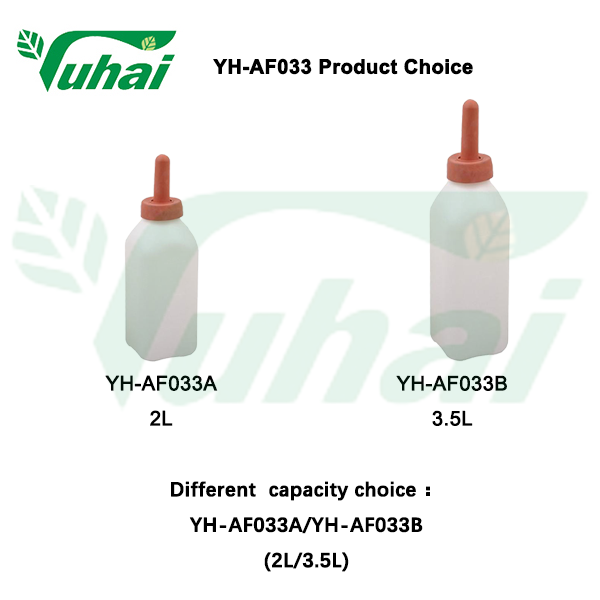
Modern dairy and beef operations are increasingly integrating automated systems to improve efficiency, animal welfare, and labor management. Within this evolving landscape, the traditional calf bottle remains a vital component, adapting to complement sophisticated feeding technologies rather than being replaced by them. Understanding how calf bottle feeding fits into contemporary calf rearing systems requires examining the interplay between manual feeding tools, automated feeders, and overall herd management strategies. This article explores the specific role of calf bottles in modern operations, their integration with automation, and how they contribute to flexible, health-focused calf management protocols.
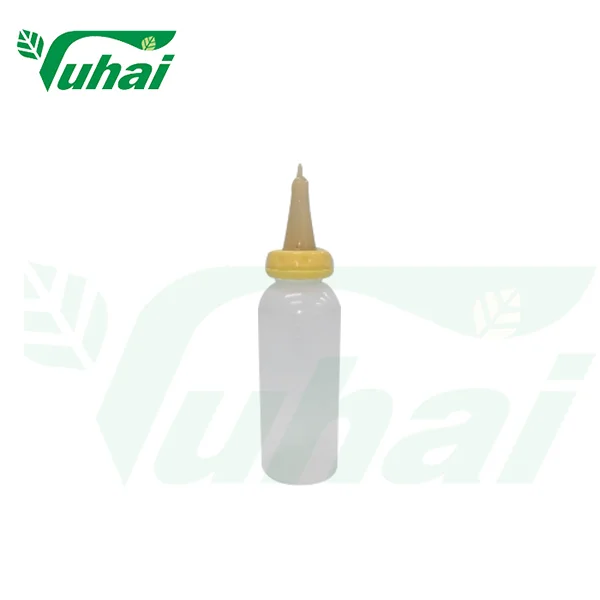
Despite the rise of automated milk feeders and computerized feeding stations, calf bottles continue to serve essential functions that automation cannot entirely replicate. They provide individualized care during critical early hours, enable precise colostrum delivery, facilitate medication administration, and offer backup feeding solutions when automated systems require maintenance. The key to maximizing operational efficiency lies not in choosing between calf bottles and automation, but in strategically deploying both according to calf age, health status, facility layout, and production goals. This integrated approach allows producers to harness the scalability of automation while maintaining the flexibility and hands-on management that calf bottles uniquely provide.
The Complementary Role of Calf Bottles in Automated Feeding Environments
Early Life Feeding Where Automation Falls Short
Automated calf feeders typically begin operation when calves are several days old and have demonstrated stable health and feeding behavior. During the crucial first 24 to 48 hours of life, however, calves require immediate colostrum delivery under controlled conditions that automation cannot easily accommodate. A calf bottle allows producers to verify colostrum intake volume, assess suckling strength, and ensure proper antibody transfer during this critical immune development window. This hands-on approach enables immediate intervention if a calf shows weak reflexes or refuses to feed, which automated systems cannot detect with the same immediacy.
Beyond colostrum management, newborn calves often require graduated introduction to milk or milk replacer volumes. Using a calf bottle during the transition period allows caregivers to control portion sizes precisely, monitor consumption patterns, and adjust feeding protocols based on individual calf response. This level of granular control is particularly important for low birth weight calves, those born from difficult deliveries, or calves showing early signs of health challenges. While automated feeders excel at managing established feeding routines for healthy calves, the calf bottle remains indispensable for these specialized early-life scenarios where personalized attention directly impacts survival and future performance.
Strategic Integration with Group Housing Systems
Many modern operations use hybrid housing models where calves begin in individual pens before transitioning to group housing with automated feeders. During the individual housing phase, calf bottles provide an efficient method for delivering consistent nutrition without requiring expensive infrastructure for small calf numbers. This staged approach allows producers to assess calf health, establish feeding routines, and identify any individuals requiring special attention before introducing them to the competitive environment of automated group feeding systems. The calf bottle serves as the primary tool during this foundational period, creating feeding behaviors that translate well when calves eventually transition to automated teat stations.
Even after calves enter group housing with automated feeders, calf bottles remain essential for managing individuals temporarily removed from the group due to illness, injury, or behavioral issues. Sick pens and hospital areas require flexible feeding tools that can accommodate varying appetites, medication delivery, and frequent feeding schedule adjustments. A calf bottle allows caregivers to provide supplemental nutrition to calves that may be intimidated at automated feeders, ensuring no animal falls behind in growth due to social hierarchy dynamics. This parallel feeding capability creates a safety net that protects both animal welfare and production consistency when automation alone cannot meet every calf's needs.
Backup and Redundancy in Technology-Dependent Systems
Automated feeding systems, while highly reliable, remain vulnerable to power outages, mechanical failures, software glitches, and maintenance downtime. Operations heavily dependent on automation must maintain contingency feeding protocols to prevent calf hunger and stress during system interruptions. A sufficient inventory of calf bottles provides immediate backup feeding capability, allowing staff to manually deliver milk to all calves until automated systems are restored. This redundancy is not merely precautionary; it represents essential risk management that protects animal welfare and prevents the cascading health problems that can result from missed or delayed feedings.
The speed and simplicity of calf bottle feeding make it the ideal emergency backup solution. Unlike automated systems that require training, calibration, and ongoing technical support, calf bottles can be operated by any farm personnel with minimal instruction. This accessibility ensures that feeding continues uninterrupted even when specialized technical staff are unavailable. Producers who integrate calf bottles into their emergency response protocols demonstrate prudent operational planning, recognizing that the most sophisticated automation still requires manual backup systems. This philosophy reflects a mature approach to technology adoption where traditional tools are retained not as obsolete relics but as essential components of a resilient feeding infrastructure.
Optimizing Calf Bottle Design for Integration with Modern Systems
Material Durability and Hygiene Standards
Modern calf feeding protocols demand calf bottles that meet rigorous hygiene standards compatible with automated system cleanliness expectations. Food-grade plastics such as polypropylene or polyethylene provide the necessary chemical resistance to withstand repeated sanitization with alkaline cleaners, acid rinses, and hot water treatments. Durable calf bottle construction prevents cracking, clouding, or degradation that could harbor pathogenic bacteria, ensuring each feeding delivers clean nutrition regardless of whether it occurs through manual or automated means. Producers integrating calf bottles with automated systems often adopt the same cleaning protocols for both, creating standardized hygiene practices across all feeding equipment.
Transparency in calf bottle design serves both practical and integration functions. Clear bottles allow visual inspection of milk volume and quality before feeding, enabling quick verification that matches the precision monitoring provided by automated feeders. This transparency also facilitates rapid detection of contamination, sediment, or abnormal milk appearance that could indicate mixing errors or storage problems. When calf bottles maintain the same quality visibility as automated systems, producers can confidently use both tools interchangeably, knowing that nutritional standards remain consistent regardless of delivery method. This standardization simplifies training, reduces errors, and supports comprehensive quality control across the entire calf feeding program.
Teat Design Compatibility with Automated Feeding Stations
The silicone or rubber teats used on calf bottles significantly influence how well calves transition between manual and automated feeding systems. Teats that mimic the flow rate, texture, and resistance characteristics of automated feeder teats create behavioral continuity, reducing stress and confusion when calves move between feeding methods. Modern calf bottle teats increasingly incorporate design features such as anti-vacuum valves, graduated flow holes, and ergonomic shapes that parallel the engineering sophistication found in automated teat stations. This design alignment ensures calves develop consistent suckling patterns that transfer seamlessly across feeding environments.
Producers selecting calf bottles for operations with automated feeders should prioritize teat designs that encourage strong, rhythmic suckling rather than rapid gulping. Teats with controlled flow rates promote proper digestion, reduce the risk of aspiration pneumonia, and establish feeding behaviors that align with the measured delivery rates of automated systems. When calf bottle teats require similar effort and technique as automated feeder teats, calves experience less behavioral disruption during transitions, maintaining appetite consistency and reducing the learning period required when entering group housing. This compatibility represents a subtle but important factor in achieving smooth integration between manual and automated feeding components.
Volume Calibration and Feeding Record Integration
Automated feeding systems generate detailed data on milk consumption, feeding frequency, and growth trajectories that inform management decisions. For calf bottle feeding to integrate effectively with these data-driven systems, bottles must feature clear, accurate volume markings that enable precise measurement and record keeping. Graduated measurements embossed or printed on the calf bottle body allow staff to document exact intake amounts, creating continuity with the automated data streams. This measurement consistency is particularly important during transition periods when calves receive some feedings manually and others through automation, ensuring that total daily nutrition remains trackable and optimized.
Progressive operations integrate calf bottle feeding records into the same management software platforms that collect automated feeder data. Mobile applications, simple log sheets, or barn management software can capture manual feeding events alongside automated records, creating comprehensive nutritional histories for each calf. This unified data approach allows producers to analyze total intake patterns, identify calves falling below consumption targets, and make evidence-based adjustments to feeding protocols. When calf bottle usage generates the same quality of information as automated systems, it becomes a true partner in data-driven calf management rather than a disconnected manual process that operates outside the digital ecosystem.
Operational Workflows That Combine Manual and Automated Feeding
Colostrum Delivery Protocols Using Calf Bottles
Effective colostrum management represents perhaps the most critical application where calf bottles integrate with modern systems rather than being replaced by them. Newborn calves require colostrum delivery within the first two to six hours of life, a timeframe that demands immediate attention regardless of automated infrastructure availability. Using a calf bottle for first colostrum feeding allows verification of proper quantity, typically four liters for Holstein calves, delivered in a controlled manner that prevents aspiration. This hands-on approach also permits assessment of calf vigor and suckling ability, providing early health indicators that inform whether the calf will successfully transition to automated feeding or require continued special attention.
Many operations establish standard protocols where all calves receive at least two colostrum feedings via calf bottle before any introduction to automated systems. This practice ensures adequate passive transfer of maternal antibodies while allowing time for the calf's digestive system to mature. Quality colostrum management also involves temperature control, with colostrum fed at body temperature for optimal absorption. Calf bottles equipped with nipple designs that prevent rapid consumption help maintain appropriate feeding duration, typically fifteen to twenty minutes, which supports proper digestion and rumen development. These nuanced management practices demonstrate how calf bottles fulfill specialized functions that justify their continued use even in highly automated operations.
Medication Administration and Therapeutic Feeding
Automated feeding systems cannot easily accommodate the delivery of medications, electrolytes, or specialized milk replacers required for sick or recovering calves. A calf bottle provides the ideal delivery vehicle for these therapeutic interventions, allowing precise dosing mixed with palatable liquids that encourage voluntary consumption. Oral antibiotics, anti-inflammatory medications, vitamin supplements, and probiotic treatments can all be incorporated into calf bottle feedings, ensuring accurate delivery without the stress and labor associated with forced oral drenching. This capability makes the calf bottle an essential clinical tool that complements the nutritional functions of automated systems.
Calves experiencing digestive upset, respiratory illness, or metabolic challenges often require modified feeding schedules that automated systems cannot easily provide. Using a calf bottle allows caregivers to deliver smaller, more frequent meals, adjust milk concentration, or substitute electrolyte solutions as needed for therapeutic management. The flexibility to modify feeding protocols on an individual basis supports faster recovery and better health outcomes than rigid automated schedules permit. Producers who maintain adequate calf bottle inventory and trained staff capable of therapeutic feeding create a comprehensive health management system where automation handles routine nutrition while manual feeding addresses special needs. This division of labor optimizes both efficiency and animal welfare across diverse health scenarios.
Training and Behavioral Conditioning Processes
Successful transition from individual calf bottle feeding to automated group feeders requires behavioral conditioning that many operations overlook. Calves accustomed exclusively to having bottles brought to their pens may not instinctively seek out automated teat stations when first introduced to group housing. Progressive operations use calf bottles as training tools, gradually reducing manual feeding frequency while encouraging calves to approach feeding areas independently. Staff may use partially empty calf bottles to guide calves toward automated stations, creating positive associations between the familiar bottle and the new automated equipment. This graduated training approach reduces transition stress and accelerates the learning curve for automated feeder use.
Some producers implement combination feeding schedules where calves receive one or two daily feedings via calf bottle while accessing automated feeders for additional meals. This hybrid approach provides security for calves still developing confidence with automated equipment while ensuring minimum nutrition intake regardless of learning speed. The calf bottle feedings during this transition period also provide daily health assessment opportunities, allowing staff to identify any calves struggling with the new system before nutritional deficits develop. This intentional overlap between manual and automated feeding creates a safety buffer that protects calf welfare during a potentially stressful adjustment period. Operations that thoughtfully manage this transition typically achieve better long-term automated feeder utilization and improved calf performance compared to abrupt switching strategies.
Economic Considerations in Hybrid Feeding System Design
Capital Investment Optimization Through Staged Implementation
Automated feeding systems represent significant capital investments, typically ranging from fifteen thousand to fifty thousand dollars or more depending on capacity and features. For operations with limited capital or those testing automation before full commitment, calf bottles provide an economical bridge technology. New or expanding operations can begin with individual calf bottle feeding in modest facilities, accumulating capital and management experience before investing in automated infrastructure. This staged implementation approach reduces financial risk while allowing producers to develop the technical expertise and labor systems needed to maximize automated feeder returns on investment.
Even operations committed to automation benefit economically from maintaining calf bottle capacity for flexibility. Rather than sizing automated systems to handle absolute peak calf numbers, producers can design for average capacity and use calf bottles to manage temporary surges in calf population. This approach avoids oversizing expensive automated equipment that operates below capacity during normal periods. The relatively low cost of calf bottles, typically ten to thirty dollars per unit, makes them an economically rational tool for managing variability in calf numbers without requiring expansion of fixed automation infrastructure. This economic flexibility becomes particularly valuable for seasonal calving operations or those experiencing growth trajectories that make future automation expansion likely.
Labor Efficiency Analysis Across Feeding Methods
Labor cost represents one of the primary justifications for automated feeding system adoption, yet calf bottles retain labor advantages in specific contexts. For small calf populations under twenty animals, the labor required for calf bottle feeding twice daily remains competitive with the time needed to manage automated systems, including daily equipment checks, milk preparation, cleaning protocols, and troubleshooting. The crossover point where automation delivers clear labor savings typically occurs between twenty and thirty calves, though this varies based on facility layout, labor costs, and system sophistication. Understanding these economics helps producers make rational decisions about where calf bottles remain economically preferable versus where automation investment is justified.
Hybrid approaches that strategically combine calf bottle and automated feeding often achieve better overall labor efficiency than exclusive reliance on either method alone. Using calf bottles for newborns and special needs animals while routing healthy calves to automated systems after several days allows skilled staff to focus attention where expertise adds most value. Less experienced workers can manage routine automated feeder operation and cleaning, while specialized staff handle the more technically demanding calf bottle feeding scenarios requiring individual assessment. This labor stratification optimizes human capital deployment, placing the most knowledgeable personnel where their judgment and skill create greatest impact. Operations that thoughtfully allocate labor across both feeding methods frequently achieve better cost efficiency than those attempting to automate every feeding scenario regardless of suitability.
Equipment Lifespan and Replacement Cost Planning
Automated feeding systems typically carry expected lifespans of ten to fifteen years with proper maintenance, representing long-term capital commitments with associated replacement costs. Calf bottles, by contrast, generally require replacement every one to three years depending on usage intensity and cleaning protocols, but at a fraction of automation costs. This difference in replacement economics makes calf bottles an important risk management tool. Operations facing uncertain future directions, potential ownership changes, or evolving production systems benefit from maintaining robust calf bottle capacity that preserves feeding flexibility without long-term technology lock-in.
The modular nature of calf bottle-based feeding systems also provides economic advantages in maintenance and repair scenarios. When a calf bottle develops cracks or the teat deteriorates, replacement costs remain minimal and inventory can be maintained to ensure uninterrupted operation. Automated feeder component failures, particularly electronic controls or milk pumps, can result in substantial repair costs and extended downtime requiring emergency backup feeding. Producers who maintain adequate calf bottle capacity as part of their feeding infrastructure effectively self-insure against costly automation failures, avoiding both the direct repair expenses and the indirect costs of compromised calf nutrition during system downtime. This risk-adjusted perspective on equipment planning recognizes that the lowest-technology solution sometimes provides valuable insurance value that justifies its retention alongside more sophisticated alternatives.
Future Trends in Calf Bottle Integration with Smart Farming Technology
Digital Feeding Record Integration Through Mobile Technology
Emerging agricultural technology platforms increasingly bridge the gap between manual calf bottle feeding and automated system data collection. Smartphone applications now allow staff to scan calf identification tags and record feeding volumes, times, and observations during calf bottle feeding sessions. This digital data capture eliminates traditional paper records while creating feeding databases comparable to automated system outputs. When calf bottle feeding generates structured digital records integrated with automated feeder data, producers gain comprehensive nutritional insights regardless of feeding method. This technological convergence represents an important trend that preserves the practical utility of calf bottles while addressing historical weaknesses in data collection and analysis.
Advanced farm management platforms can now trigger alerts when calf bottle feeding records indicate declining intake, irregular feeding times, or other patterns suggesting health problems. This intelligent monitoring transforms calf bottles from simple feeding tools into data collection devices that support proactive health management. Machine learning algorithms analyzing combined manual and automated feeding data can identify subtle consumption pattern changes that predict illness before clinical symptoms appear. As these technologies mature, calf bottles integrated with digital record systems may actually provide superior individual calf monitoring compared to automated feeders that aggregate data across multiple animals. This evolution suggests a future where manual feeding tools remain relevant not despite digital technology but because of how effectively they integrate with it.
Precision Nutrition Delivery for Individual Calf Requirements
Nutritional science increasingly recognizes that calves have individual requirements based on genetics, birth weight, health status, and growth potential. While automated feeders can deliver customized rations based on pre-programmed parameters, calf bottles allow even more granular customization for calves with special nutritional needs. Calves diagnosed with specific deficiencies can receive fortified milk replacers or supplements through targeted calf bottle feedings without contaminating the bulk milk supply in automated systems. This precision nutrition approach maximizes genetic potential while addressing individual variability that automated systems may handle less effectively.
Research into calf nutrition continues to refine understanding of optimal feeding curves, milk composition, and supplementation strategies. As this knowledge advances, some producers adopt differentiated feeding protocols where high-genetic-merit calves receive enhanced nutrition programs delivered partially through strategic calf bottle feeding. This approach recognizes that not all calves justify identical nutritional investment, and that manual feeding tools provide the flexibility to implement tiered nutrition strategies based on economic value. The continued relevance of calf bottles in modern systems thus partly reflects their adaptability to evolving nutritional science and individualized management philosophies that automated systems may not accommodate efficiently.
Sustainable Farming Integration and Resource Efficiency
Sustainability considerations increasingly influence agricultural technology adoption decisions, and calf bottles offer certain environmental advantages that complement automated systems. Manual feeding using reusable calf bottles generates minimal electronic waste, requires no electricity for operation, and involves simple cleaning processes with lower chemical inputs compared to automated systems. For operations pursuing sustainability certifications or reducing carbon footprints, maintaining significant calf bottle capacity supports environmental goals while preserving operational flexibility. This sustainability perspective positions calf bottles not as obsolete technology but as environmentally appropriate tools for specific feeding scenarios.
Water and energy efficiency analyses sometimes reveal that hybrid feeding approaches using both calf bottles and automation achieve better overall resource efficiency than exclusive automation. Automated systems require continuous electricity, significant water volumes for cleaning cycles, and regular maintenance inputs. For small calf groups or specialized feeding situations, the resource inputs required for automation may exceed those of simple calf bottle feeding with manual washing. Progressive producers conduct comprehensive sustainability assessments that consider total resource consumption across feeding methods, often discovering that strategic calf bottle use reduces overall environmental impact while maintaining production efficiency. This nuanced sustainability analysis supports continued calf bottle integration as part of environmentally responsible calf management systems.
FAQ
Can calf bottles effectively work alongside automated feeding systems without creating management conflicts?
Yes, calf bottles integrate effectively with automated feeding systems when deployed strategically for specific purposes such as colostrum delivery, newborn feeding, sick calf management, and backup feeding during system maintenance. The key to avoiding conflicts is establishing clear protocols that define when each feeding method is appropriate and ensuring all staff understand the complementary roles of manual and automated feeding. Many successful operations use calf bottles for the first several days of life, then transition calves to automated feeders once they demonstrate stable health and feeding behavior. This staged approach allows each technology to function in its optimal role without redundancy or confusion.
How do I maintain consistent calf nutrition when switching between calf bottle and automated feeding?
Maintaining nutritional consistency requires standardized milk replacer formulations, careful temperature control, and accurate volume measurement across both feeding methods. Use the same milk replacer concentration whether delivering through calf bottles or automated systems, and ensure calf bottles have clear measurement markings for precise portioning. Document all calf bottle feedings with the same detail as automated system records to track total daily intake. During transition periods, monitor individual calf weight gain and health indicators closely to verify that nutrition remains adequate regardless of delivery method. Many producers gradually reduce calf bottle feeding frequency while increasing automated feeder access, creating an overlap period that prevents sudden nutritional disruption.
What capacity of calf bottles should I maintain in an operation that primarily uses automated feeders?
A prudent guideline is maintaining calf bottle capacity for at least twenty-five to thirty percent of your total calf population, even in heavily automated operations. This provides adequate backup feeding capability during system maintenance or failures, allows simultaneous feeding of all newborn calves before automated system introduction, and ensures sufficient capacity for sick pens and hospital areas. For a facility housing forty calves, maintaining ten to twelve calf bottles with extra teats and replacement parts provides appropriate flexibility. This inventory level balances the need for emergency preparedness and special-case feeding against excessive equipment investment in unused capacity.
Do calves fed initially with calf bottles have difficulty adapting to automated feeders later?
Calves generally adapt well to automated feeders after initial calf bottle feeding, particularly when transition is managed thoughtfully. The adaptation period typically lasts two to five days, during which some calves may show initial hesitation at automated teat stations. To facilitate smooth transitions, select calf bottle teats with similar flow characteristics to automated feeder teats, gradually reduce calf bottle feeding frequency before full transition, and consider maintaining one daily calf bottle feeding during the first few days in group housing. Staff can guide hesitant calves to automated stations and monitor consumption data to identify any individuals requiring additional transition support. Most calves successfully adapt with minimal stress when transition protocols account for behavioral adjustment needs.
Table of Contents
- The Complementary Role of Calf Bottles in Automated Feeding Environments
- Optimizing Calf Bottle Design for Integration with Modern Systems
- Operational Workflows That Combine Manual and Automated Feeding
- Economic Considerations in Hybrid Feeding System Design
- Future Trends in Calf Bottle Integration with Smart Farming Technology
-
FAQ
- Can calf bottles effectively work alongside automated feeding systems without creating management conflicts?
- How do I maintain consistent calf nutrition when switching between calf bottle and automated feeding?
- What capacity of calf bottles should I maintain in an operation that primarily uses automated feeders?
- Do calves fed initially with calf bottles have difficulty adapting to automated feeders later?