
 EN
EN


Enhancing Milking Hygiene with Goat Milking Machines
Clean milking procedure and its impact on milk quality
Using a standardized approach with a goat milking machine cuts down on mistakes people make and keeps contamination at bay, which really matters for keeping milk quality high. These automated setups keep the milk path sealed off, so dirt and other stuff from the environment don't get mixed in. Plus they give the same kind of stimulation to the teats every time, making sure nothing gets missed during extraction. The machines work with just the right amount of suction and pulse rate that actually resembles how baby goats nurse naturally, which helps protect the teats from damage these are basically doorways for bad bacteria to enter. Farmers who stick to good procedures find their machine milk has around 30 to 40 percent fewer bacteria compared to what comes out when done by hand. That makes a big difference in how long the milk stays fresh and whether it's safe to eat.
Importance of clean udder preparation before milking
Getting the udders ready matters just as much when using automatic milking systems because what happens before milking really impacts how clean the milk ends up being. Farmers need to stick to proper protocols involving approved disinfectants for the teats and fresh towels each time to wipe away any dirt or manure before attaching the milking unit. When shortcuts are taken during cleaning, we're talking about introducing around 10,000 extra bacteria per milliliter into the milk supply, which basically cancels out all the cleanliness benefits machines supposedly offer. Goat milking equipment works better than manual methods in many ways, especially since these machines consistently get rid of almost all the milk from each milking session. This means there's less leftover milk sitting around where bad bacteria might grow between sessions.

Influence of equipment cleanliness on bacteria counts in milk
Keeping equipment clean remains the top priority when it comes to managing bacteria levels in raw milk production. Quality stainless steel parts on goat milking machines create smooth surfaces that are much easier to sanitize properly. Plastic components tend to trap bacteria in tiny scratches that regular cleaning might miss. Good sanitation practices involve cleaning before and after each milking session with the right dairy sanitizers applied at proper temps and strength. When farmers stick to thorough cleaning routines, they can cut down bacterial contamination as much as 90% over time compared to equipment that gets neglected. This basic practice forms the backbone of maintaining safe milk quality standards across the industry.
Goat Milking machine maintenance and its effect on udder health
Keeping milking equipment in good shape is essential for maintaining healthy udders. Stable vacuum levels, proper pulsation settings, and working liners all play their part in this equation. When liners start to wear down or when vacuum pressure jumps around too much, it creates problems at the teat end which makes cows more likely to get mastitis. Research from dairy farms across the country indicates that when farmers keep their equipment well maintained, they see about a 45 percent drop in cases of clinical mastitis. Most experts recommend replacing liners after roughly 2500 milkings or about every half year, whichever comes first. Checking those vacuum pumps regularly and running system diagnostics helps maintain healthy teat tissues over time. Some modern farms now use advanced monitoring tech that actually sends alerts when something starts going wrong in the system. This early warning gives operators time to fix issues before they lead to poor milking conditions and ultimately safeguard the long-term health of the herd's udders.
Maximizing Milk Yield Improvement: Vacuum level and pulsation rate
Getting the right vacuum pressure between 36 and 42 kPa along with proper pulsation rates around 80 to 120 cycles per minute makes all the difference when it comes to getting maximum milk production without hurting the animals. These parameters really affect how milk flows out and whether the udders get fully emptied during milking sessions. When farmers set these wrong, problems start showing up pretty quickly - milk doesn't come out properly, teats get damaged over time, and overall yields drop off. That's why experienced dairy operators always tweak these settings based on each cow's body type and where they are in their lactation cycle. Some cows need different treatment than others, so regular adjustments throughout the day help maintain good milk flow across the entire herd.
Teat cup and cluster design for goats
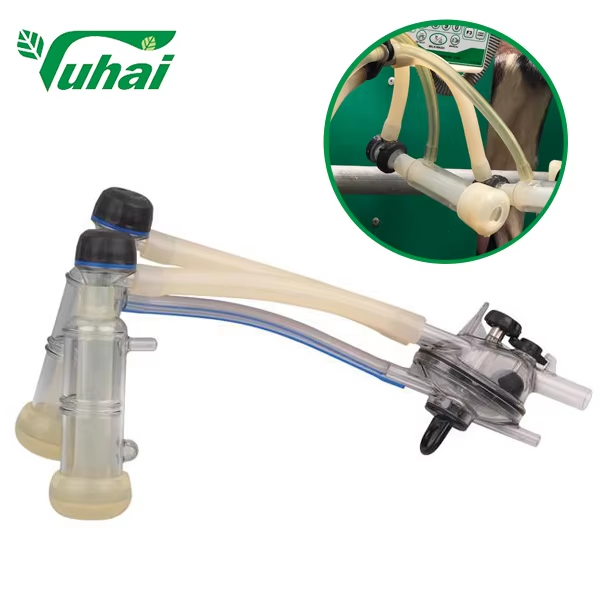
The design of teat cups and clusters for goats matters a lot because their teats just aren't the same size or shape as those on cows. Getting the liner fit right is important too. When the mouthpiece chamber dimensions match properly, it stops things from slipping around during milking and keeps the action consistent across all teats. Goat clusters need to stay light enough so they don't put extra pressure on the udder, but still hang on securely through the whole milking process. Farmers who invest in good quality equipment typically see better milk flow rates and healthier udders over time, which makes sense when thinking about both productivity and animal welfare concerns.
Flow-based vs. time-based milking systems
Today's milking setups typically fall into two main categories: flow-controlled or timer-driven, depending on what works best for particular farms. The flow-controlled systems automatically change how long they milk based on actual milk flow from each cow, which means less wasted time and fewer instances where cows get over milked. For herds where most animals give milk at similar rates, timer-driven systems make sense since they follow set schedules regardless of individual differences. Studies show these flow-controlled methods can boost full milk extraction by around 5 to 8 percent, which translates to better productivity overall while also helping maintain healthier udders across the herd.
Automatic cluster removal and overmilking prevention
Automatic cluster removal or ACR systems work to stop overmilking situations by sensing when the milk flow has dropped below certain levels and then removing the milking units quickly. These systems actually help protect the cows' teats, cut down on the chances of getting mastitis, which is a big deal for dairy farmers, and generally make life better for the animals involved. Research indicates that farms using ACR tend to see their milking sessions get shorter by around 15 to maybe even 20 percent. At the same time, the teats stay in good condition, which means the cows keep producing milk consistently over longer periods, and whole herds last longer before needing replacement.
Preventing Mastitis and Lowering Somatic Cell Count
How improper milking equipment increases mastitis risk
When milking equipment isn't working right, it actually makes mastitis more likely because bacteria can get in easier and there's physical damage to the udders. The vacuum pressure gets all messed up when regulators aren't functioning properly, plus those old worn-out teat cup liners don't work as they should. This messes with the natural massage action on the teats, which causes trauma and weakens the protective barriers at the teat canal. Studies indicate that farms with poorly maintained milking systems see around 40% more cases of infections inside the milk glands compared to places with good equipment maintenance. Pathogens such as Staphylococcus aureus find it much easier to enter the mammary tissue under these conditions, making regular equipment checks absolutely essential for dairy operations concerned about animal health and milk quality.
Impact of milking hygiene on somatic cell count and udder health
The cleanliness during milking has a major impact on somatic cell count (SCC), which tells farmers a lot about udder health and overall milk quality. When dairy operations adopt rigorous cleaning routines alongside automated equipment, they often see SCC drop around 30 to 35% over about half a year. Keeping those teats free from bacteria significantly lowers infection risks for cows. Cleaner milk means fewer antibiotics needed, better nutritional content, and ultimately healthier herds producing more milk. That's why good hygiene isn't just about sanitation anymore it's become a cornerstone strategy for fighting mastitis across modern dairy farms.
Best practices for milking cleanliness in small ruminants
Keeping things clean is really important when working with small ruminants like goats or sheep. Farmers need to make sure they disinfect teats before milking, then dip them again afterward using those special barrier sealants. Equipment needs proper cleaning too between each milking session. For maintenance, checking vacuum pressure once a month makes sense, along with replacing liners according to schedule. When all these steps become standard practice across the farm, it creates better milking conditions overall. This approach helps prevent contamination spreading around, keeps milk quality high, and reduces the chances of mastitis problems developing in the herd.
Smart Technology Integration in Modern Goat Milking Systems
Milk meters and individual yield monitoring
Today's goat milking operations often come equipped with milk meters that provide immediate readouts on how much each animal produces. Farmers can track changes in milk output over time, spot potential health issues when yields suddenly drop off, and make better choices about what to feed their goats and which ones to breed. Looking at actual numbers rather than guesswork lets managers fine-tune their approach, ultimately boosting productivity across the whole herd. Many dairy farmers report noticeable improvements after switching from rough estimates to these detailed measurements.
Automatic vacuum shut-off and low-flow detection sensors
When the milk starts flowing slower than normal, low flow sensors kick in and shut off the vacuum automatically. This helps stop overmilking which can really hurt the goats' udders. What makes these sensors special is how they adapt to what each individual goat does during milking time. Some goats give milk fast, others take their time, but either way the system knows when it's done properly. Farmers notice fewer problems with damaged teats at the end of milking sessions. Plus animals seem happier overall, even though we work with all sorts of different herds that have their own quirks and challenges.
IoT and AI for real-time udder health and milking performance
Milking systems connected to the Internet of Things and running on AI turn regular farm equipment into smart tools for managing cattle herds. These systems look at how much milk cows produce over time, spot small changes in milk flow or what's in the milk itself, and can catch early warning signs of mastitis long before anyone notices anything wrong. When something looks off, the system sends out automatic warnings so farmers can jump in quickly. This helps keep cows healthy and maintains good milk production rates because decisions are based on actual data from day-to-day operations.
Real-World Impact: Case Study from a Commercial Dairy Goat Farm
Before-and-after analysis of transitioning from hand to machine milking
When farms switched from old-fashioned hand milking to using modern goat milking machines, they saw real boosts in both productivity and how efficiently workers could handle their tasks. At one particular commercial operation, milk production per goat went up around 28.5 percent because the machines maintained regular milking schedules and made sure every last drop was extracted from the udders. The automated systems took away all those inconsistencies between different people milking goats, providing steady vacuum pressure and proper pulsation rates that actually work better for extracting milk while keeping the animals calmer during the process. With so much less manual labor needed now (about 60% less according to records), farmhands have more time to check on goat health regularly and spend effort maintaining clean facilities rather than just standing there with buckets.
Data-driven results: Bacteria count reduction and milk yield increase
Switching to automated milking tech has definitely improved things for dairy farmers when it comes to both how much milk they get and how good it is. A study from last year in the Journal of Cleaner Production found that farms with these automated systems cut down their greenhouse gas emissions by about 11% while actually producing more milk overall. The numbers look even better when we talk about somatic cells - those dropped around 22% on average compared to old-fashioned hand milking methods. Bacteria levels also went way down. Take one particular farm for example, they noticed their premium grade milk went up roughly 15%. That makes sense because machines keep everything cleaner with regular wash cycles and there's just less human hands getting involved in the process. So what does this mean? Safer milk and better quality stuff ending up on store shelves.
FAQ
What are the benefits of using goat milking machines?
Goat milking machines help ensure consistent milk quality, reduce bacterial contamination, and increase efficiency by standardizing the milking process. They also reduce labor and help prevent udder damage.
How does maintaining equipment affect milk hygiene?
Regular maintenance of milking equipment ensures stable vacuum pressure and prevents mechanical issues that could introduce bacteria or cause udder damage, thereby reducing the risk of mastitis.
What are automatic cluster removal systems?
Automatic cluster removal systems help prevent overmilking by removing the milking units when milk flow drops to a certain level, thus protecting the teats and enhancing overall udder health.
How can technology help in goat milking machine?
Technology, including milk meters and IoT, allows farmers to monitor individual yield and udder health in real-time, facilitating timely interventions to maintain herd health and productivity.