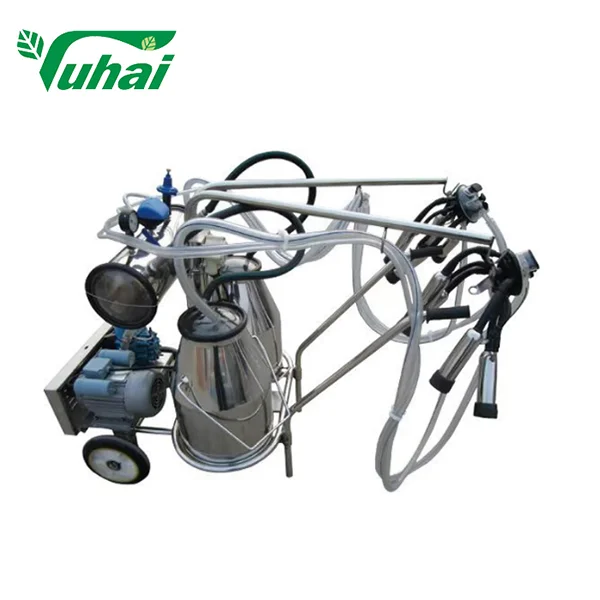
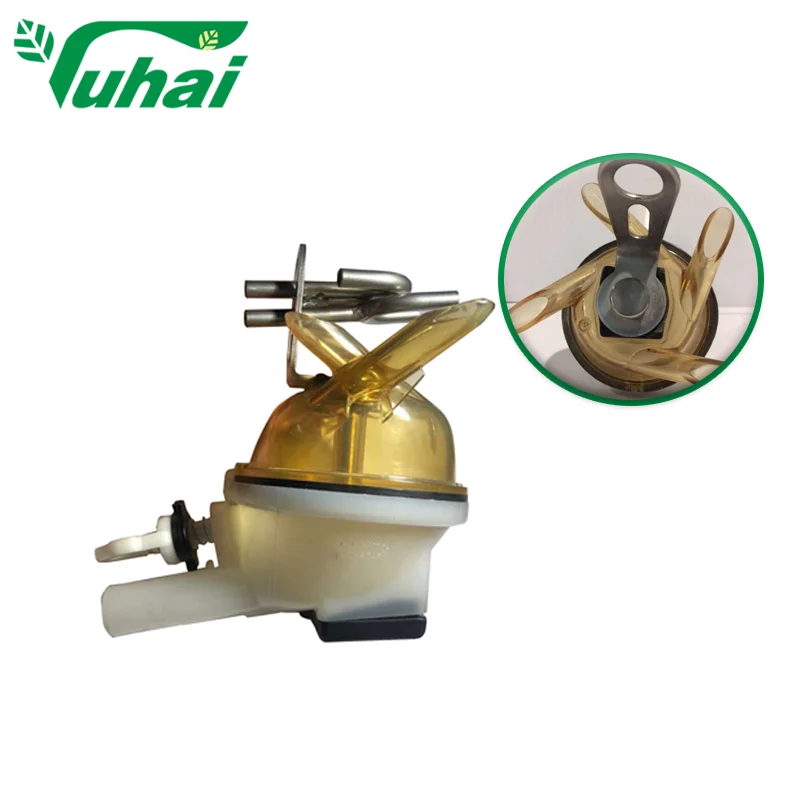
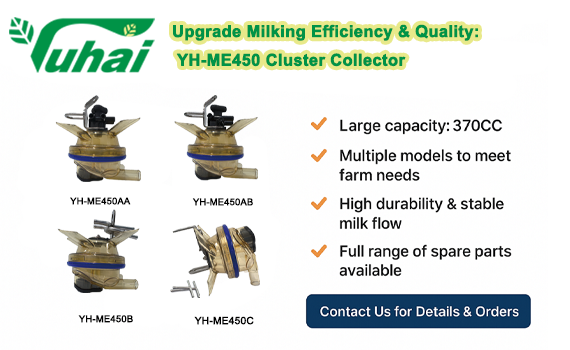
The application prospects for modern dairy milking machines are exceptionally broad, having far surpassed their basic function of merely replacing manual milking. They have become a core technology driving efficiency, profitability, and animal welfare improvements across all scales of dairy operations. Their adoption follows a clear trajectory based on farm size. For small-scale family farms or homesteads, the primary advantage lies in significantly reducing labor intensity and saving time, enabling sustainable small-scale livestock operations. Simultaneously, the stable and hygienic milking process ensures dairy quality—critical for farms engaged in direct sales (e.g., pasteurized milk, cheese). Portable bucket milking machines are the ideal choice for these operations. For medium-sized commercial operations, the focus shifts to enhancing efficiency and data analytics. Pipeline milking systems not only process large numbers of cows rapidly but also integrate devices like milk meters to monitor individual milk production. This provides data for early disease detection (e.g., mastitis) and optimized breeding decisions, enabling precision management. For large dairy corporations, the application outlook points toward high automation and intelligence. Robotic milking systems allow cows to be milked freely 24/7, maximizing equipment utilization. They also fully integrate with farm management software, enabling true precision livestock farming and effectively addressing labor shortages.
Beyond conventional ranch operations, milking machines demonstrate significant potential across multiple niche markets. In specialty dairy segments like organic and A2 milk, gentle machine milking embodies animal welfare, serving as a key pillar for brand narratives and product quality. The technology also extends to milking small ruminants like goats and sheep, meeting growing demand for specialty dairy products. Moreover, in education and research, milking machines serve as vital tools for agricultural colleges and research institutions in teaching and animal nutrition studies. In a globalized context, durable and economical milking machines also play a crucial role in helping developing countries establish modern dairy infrastructure and enhance food safety standards.
Looking ahead, the application prospects of milking machines will integrate more deeply with intelligent and sustainable development. Internet of Things (IoT) and big data analytics will enable machines to predict health issues, while optimized systems will help reduce the carbon footprint per liter of milk. Scalable modular system designs will allow technology to upgrade alongside the growth of dairy farms. In summary, dairy milking machines are no longer mere tools but foundational technologies driving the entire dairy industry toward efficiency, humane practices, and sustainability. Their application spans from the smallest family farms to the most advanced smart agricultural complexes.
Copyright © YUYAO YUHAI LIVESTOCK MACHINERY TECHNOLOGY CO.,LTD.