The application prospects of dairy milking machines have long transcended the initial stage of merely accelerating milking speed, profoundly reshaping the entire livestock industry landscape—from traditional large-scale ranches to small specialty farms. Their core value lies in liberating labor from arduous, repetitive tasks while driving the industry's transformation toward high efficiency, intelligence, and animal welfare prioritization through standardized, data-driven management.
In traditional large-scale commercial dairy farms, milking machines are indispensable core equipment, primarily demonstrating their value through extreme efficiency and large-scale production. These systems, especially pipeline and rotary milking machines, can milk dozens of cows simultaneously, minimizing labor costs while significantly increasing daily milking shifts and total output. More importantly, consistent mechanical operation helps maintain low somatic cell counts, directly ensuring raw milk quality and safety at the source—the cornerstone of profitability for large-scale operations.
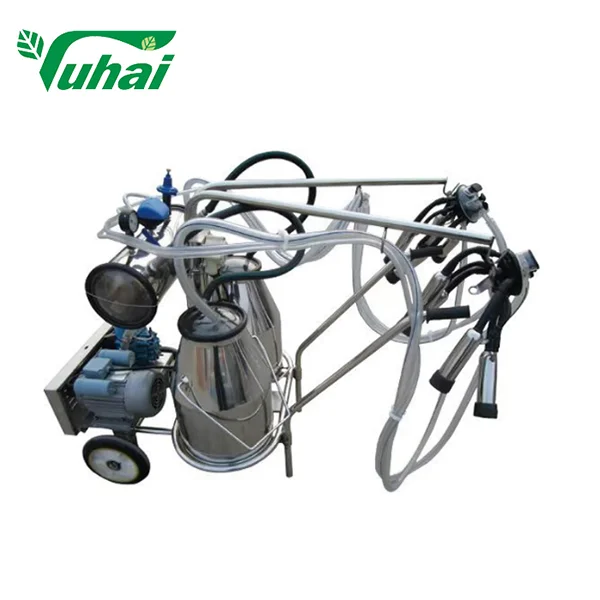
Simultaneously, milking technology is empowering small-to-medium-sized and specialty farms, opening new market opportunities. For family farms, specialty operations pursuing organic or grass-fed standards, and producers of rare dairy breeds, compact portable or bucket milking machines substantially lower the entry barrier. This makes small-scale operations with just a few to several dozen cows economically viable, enabling the production of high-quality, high-value specialty dairy products—such as raw milk for premium cheeses. Such equipment emphasizes gentle animal handling, aligning with modern animal welfare principles and directly enhancing product branding and market competitiveness.
Looking ahead, the most cutting-edge applications are closely tied to data-driven and intelligent management. Modern milking machines, especially robotic milking systems, have evolved into comprehensive data collection hubs. During each milking session, they monitor real-time key health metrics for each cow, including milk yield, electrical conductivity (for mastitis early warning), and activity levels. This data enables precision livestock farming, allowing managers to tailor nutritional plans for each cow and promptly identify health issues. This marks a leap from “group management” to “individualized precision care,” ultimately achieving the fundamental goals of increasing lifetime milk production and enhancing long-term farm profitability.
In summary, the application prospects for dairy milking machines are broad and multifaceted. They serve not only as efficiency-enhancing tools but also as critical technological bridges connecting small-scale farms with premium markets, driving sustainable, refined, and high-quality development in the livestock industry. As technological costs continue to decline and intelligence levels steadily rise, their application scope will inevitably expand further, profoundly shaping the future landscape of the global dairy industry.

 EN
EN