For modern dairy farming, the significance of milking equipment extends far beyond its basic function of “extracting milk from cows.” It has become a critical core factor determining farm operational efficiency, animal welfare standards, product quality and safety, as well as long-term profitability. Its importance is first reflected in unparalleled improvements to operational efficiency. Compared to the time-consuming and labor-intensive manual milking methods of the past, automated milking systems—such as herringbone, parallel, or rotary parlors—enable a single operator to process dozens of cows within the same timeframe. This dramatically reduces labor requirements and high personnel costs, directly addressing the widespread labor shortage challenge faced by dairy farms and making farm expansion feasible.
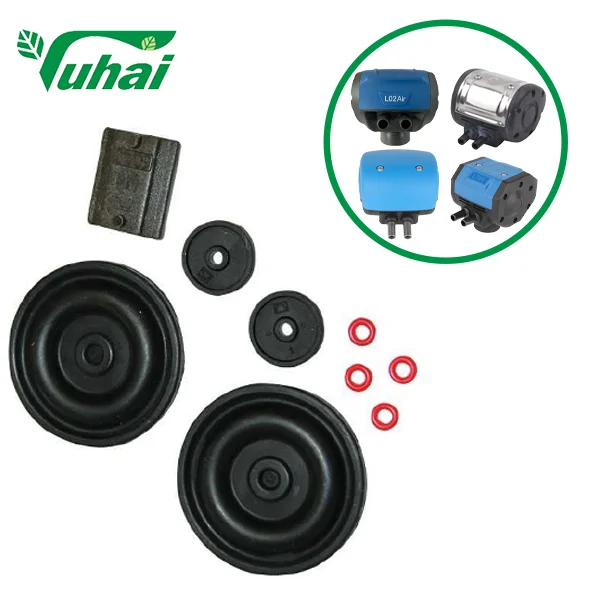
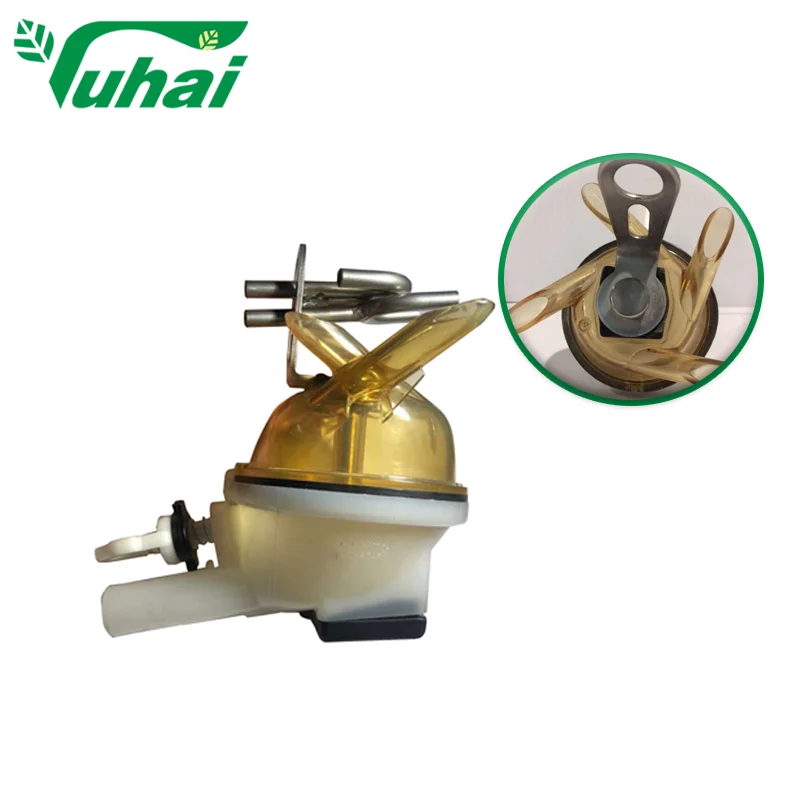
Secondly, advanced milking equipment is crucial for safeguarding animal health and welfare. Modern milking machines feature pulsation systems and liners designed to gently mimic a calf's suckling action. This not only reduces stress levels in cows but also significantly decreases the incidence of common and costly diseases like mastitis. A stable, comfortable milking process helps maintain cow health and productive lifespan, ultimately achieving higher lifetime milk production. This embodies the scientific principle that “happy cows produce quality milk.”
Furthermore, modern milking equipment serves as the cornerstone for data-driven decision-making and precision livestock management. Today's systems have evolved into sophisticated data collection hubs, capable of real-time monitoring of critical metrics for each cow—including milk yield, milking speed, activity levels, and even milk conductivity. This data provides farm managers with unprecedented insights, enabling them to accurately identify cows in heat, detect early health issues, and optimize feeding strategies. This marks a leap from “herd management” to “individual precision management,” maximizing the farm's economic efficiency.
Finally, milking equipment plays an irreplaceable role in ensuring the quality and safety of the final product. A closed pipeline system transports milk directly from the cow to the cooling tank, eliminating potential contamination in open environments. An integrated instant cooling system rapidly lowers milk to safe temperatures within seconds, minimizing bacterial growth and perfectly preserving freshness and nutritional value. This not only meets the stringent quality standards and food safety regulations demanded by dairy processors but also forms the foundation for farms to build brand credibility and secure market premiums.
In summary, investing in the right dairy milking equipment is not merely a procurement decision. It represents a strategic upgrade for the farm's future operational efficiency, animal welfare, intelligent management, and product competitiveness. It is an indispensable core asset for any modern dairy farm pursuing sustainability, profitability, and high-quality development.

 EN
EN