
 EN
EN



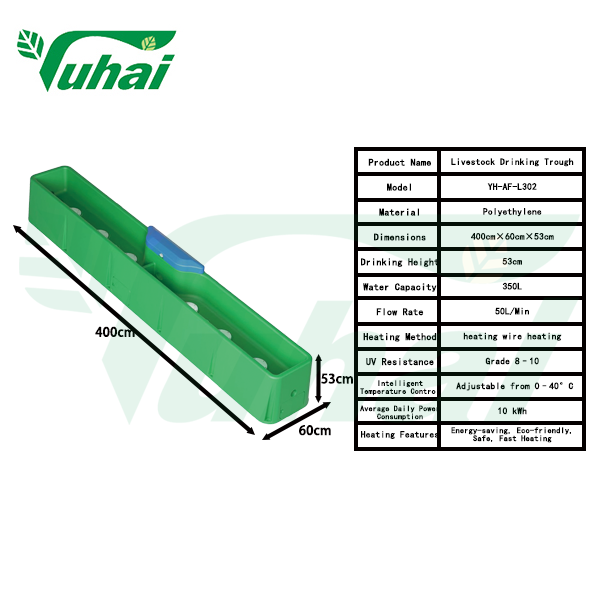
Selecting the correct cattle trough is one of the most important decisions a farm manager can make for herd health and operational efficiency. A cattle trough serves as the primary water delivery system for your livestock, directly impacting hydration, animal welfare, and production outcomes. The right cattle trough choice depends on multiple factors including herd size, grazing environment, budget constraints, and long-term maintenance expectations. When you invest time in understanding cattle trough specifications upfront, you avoid costly mistakes that could compromise water quality, animal safety, or farm productivity.
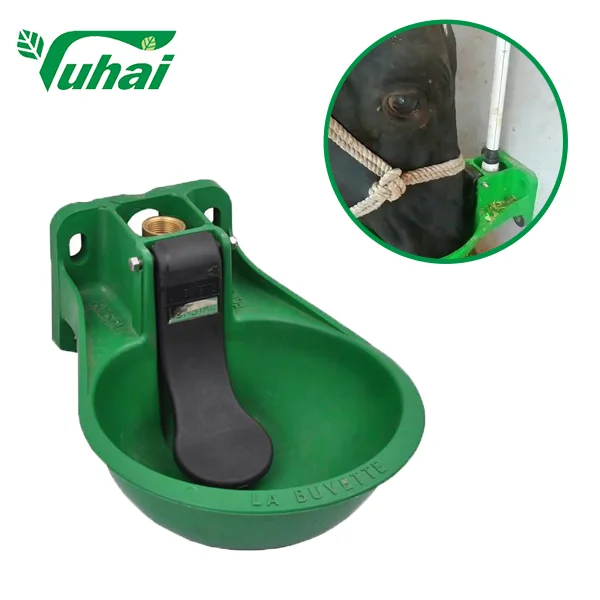
This guide walks you through the essential criteria for selecting a cattle trough that matches your operation's unique needs. Whether you manage a small family farm or a large commercial operation, understanding cattle trough dimensions, materials, and durability factors will help you make an informed decision that delivers reliable performance for years to come.
Understanding Cattle Trough Size Requirements
Calculating Capacity Based on Herd Size
The foundation of any cattle trough selection process begins with determining the appropriate capacity for your herd. Daily water consumption for cattle typically ranges from 20 to 50 gallons per animal, depending on climate conditions, diet composition, and production stage. A cattle trough sized for your specific herd ensures animals access fresh water without long waiting periods or competition-induced stress. Small operations with fewer than 50 head may efficiently use a single large cattle trough or multiple medium-sized units positioned strategically across pastures.
For larger herds exceeding 200 animals, a single cattle trough becomes insufficient. Most operations strategically deploy multiple cattle trough stations distributed throughout grazing areas to promote even water access and reduce trampling around concentrated water sources. Calculate your cattle trough capacity by multiplying average daily water consumption by your total herd size, then add 20 percent buffer capacity to account for peak demand during hot weather or when animals gather at specific times. A typical cattle trough holding 100 to 150 gallons works well for 10 to 20 animals during moderate climate conditions, while 200 to 300 gallon cattle trough units suit larger groupings.
Accounting for Climate and Seasonal Variation
Environmental conditions dramatically influence how you should size and position your cattle trough throughout the year. In hot climates, cattle consume significantly more water and may congregate at cattle trough locations during peak heat hours, creating bottlenecks if capacity proves insufficient. Cold-weather regions require cattle trough designs that prevent freezing while maintaining accessible drinking surfaces for livestock. A cattle trough that performs admirably during spring and fall may become problematic during summer heat waves or winter freeze cycles if not properly engineered for seasonal extremes.
Regional rainfall patterns also affect cattle trough sizing decisions. In areas with extended dry seasons, larger cattle trough capacity provides a safety margin against supply interruptions between fill cycles. Conversely, regions with reliable water supplies and temperate climates allow for slightly smaller cattle trough units positioned at multiple locations rather than single large installations. Consider adding approximately 30 percent additional capacity to your base cattle trough size if your operation experiences pronounced seasonal variations in water demand or supply reliability.
Evaluating Cattle Trough Materials for Durability
Plastic Cattle Trough Advantages and Considerations
Plastic cattle trough options have become increasingly popular among farmers seeking lightweight, corrosion-resistant watering solutions. Modern plastic cattle trough products manufactured from durable polyethylene or reinforced composite materials offer exceptional resistance to UV degradation, rust, and chemical contamination. A quality plastic cattle trough typically weighs far less than metal alternatives, simplifying installation, repositioning, and maintenance tasks. The smooth interior surfaces of plastic cattle trough systems resist algae growth more effectively than rougher materials, contributing to improved water hygiene and reduced maintenance labor.
The primary consideration with plastic cattle trough selection involves ensuring adequate thickness and material quality to withstand livestock impact and environmental stress. Lower-grade plastics may crack when cattle strike them or during extreme temperature fluctuations. A premium plastic cattle trough constructed from UV-stabilized, impact-resistant materials typically lasts 10 to 15 years or longer with proper maintenance. When evaluating plastic cattle trough products, verify the material thickness, UV protection rating, and manufacturer warranty to confirm the investment will provide reliable performance throughout multiple seasons.
Metal and Steel Cattle Trough Durability Profiles
Steel cattle trough systems represent the traditional workhorse of livestock farming operations and continue to offer proven durability in demanding environments. Galvanized steel cattle trough units resist rust through protective zinc coatings, and properly maintained galvanized cattle trough installations can function reliably for 20 to 30 years. The weight and rigidity of a steel cattle trough make it exceptionally resistant to cattle impact and provides excellent structural stability even when partially submerged in muddy pasture conditions. Metal cattle trough systems also withstand extreme temperature swings without developing stress cracks or structural compromises.
However, steel cattle trough maintenance requires attention to coating integrity, rust prevention, and periodic repainting to ensure longevity. In corrosive environments such as coastal regions or areas with high-salt fertilizer application, cattle trough material selection becomes critical. Stainless steel cattle trough options provide superior corrosion resistance but carry higher initial costs. Evaluating the total cost of ownership for a steel cattle trough includes factoring in maintenance labor, rust treatment, repainting frequency, and replacement timelines. For many operations, the durability and stability of metal cattle trough systems justify the slightly higher maintenance demands.
Practical Implementation Factors for Cattle Trough Selection
Installation, Access, and Animal Safety Considerations
The physical placement and operational setup of your cattle trough directly influence long-term performance and animal welfare outcomes. A cattle trough positioned on level ground reduces spilling, maintains consistent water depth for all animals, and simplifies filling and maintenance procedures. Ensure your cattle trough location provides adequate space for animals to approach from multiple angles without crowding or aggressive competition. Cattle trough designs featuring low entry edges and gradual floor slopes minimize injury risk for young calves, older animals, and pregnant cows attempting to drink safely.
Drainage considerations around your cattle trough installation prevent muddy conditions that attract disease organisms and create slipping hazards. Slope the surrounding ground away from the cattle trough base to direct runoff and spilled water away from animal gathering areas. A well-positioned cattle trough with proper drainage infrastructure reduces mud accumulation, improves hoof health, and decreases parasitic disease pressure in your herd. Evaluate whether your cattle trough location allows easy access for refilling, cleaning, and emergency repairs without requiring livestock dispersal or operational downtime.
Maintenance Requirements and Cost-of-Ownership Analysis
Long-term cattle trough performance depends heavily on implementing consistent maintenance protocols and scheduling preventive care actions. Plastic cattle trough units require periodic algae removal, sediment flushing, and inspection for cracks or UV damage, though cleaning cycles typically extend much longer than metal alternatives. A cattle trough maintenance schedule should include weekly water quality assessment, monthly deep cleaning, and seasonal inspection for structural issues or material degradation. Some advanced cattle trough designs include drain plugs and sloped bottoms that facilitate complete water evacuation and debris removal without labor-intensive scrubbing.
Metal cattle trough maintenance involves more frequent attention to rust development, coating condition assessment, and protective treatment applications. However, the robust nature of properly maintained steel cattle trough systems often justifies higher maintenance investment by delivering extended service life and superior reliability during extreme weather events. Compare the complete cost profile for your cattle trough options by calculating material cost, installation expense, annual maintenance labor, replacement material costs, and expected service duration. The most affordable cattle trough option initially may prove most expensive when evaluated over a 15 to 20-year ownership period. cattle trough systems engineered for minimal maintenance and maximum durability often deliver superior value despite higher upfront costs.
FAQ
What is the minimum cattle trough size for a small farm with 20 animals?
A small farm with 20 cattle typically requires a cattle trough capacity of at least 100 to 150 gallons to ensure adequate daily water supply, assuming moderate climate conditions and regular refilling schedules. During hot weather, consider sizing your cattle trough toward the upper end of this range or installing a second unit for backup capacity and reduced animal crowding at drinking time.
How often should I clean and maintain my cattle trough?
A cattle trough should be cleaned thoroughly at least once weekly during normal operating conditions, with more frequent cleaning during algae blooms or visible sediment accumulation. Seasonal deep cleaning of your cattle trough should occur monthly, including complete drainage, interior scrubbing, and inspection for cracks, rust spots, or material deterioration that could compromise water quality or animal safety.
Can plastic cattle trough systems withstand harsh winter conditions?
Quality plastic cattle trough products manufactured from UV-stabilized, impact-resistant materials can withstand winter conditions effectively when selected for cold-weather performance. However, cattle trough heating elements or insulation may be necessary in regions experiencing extreme freeze cycles to maintain accessible drinking water. Verify that your cattle trough product specifications include cold-temperature performance ratings and impact resistance appropriate for your regional climate extremes.