
 EN
EN


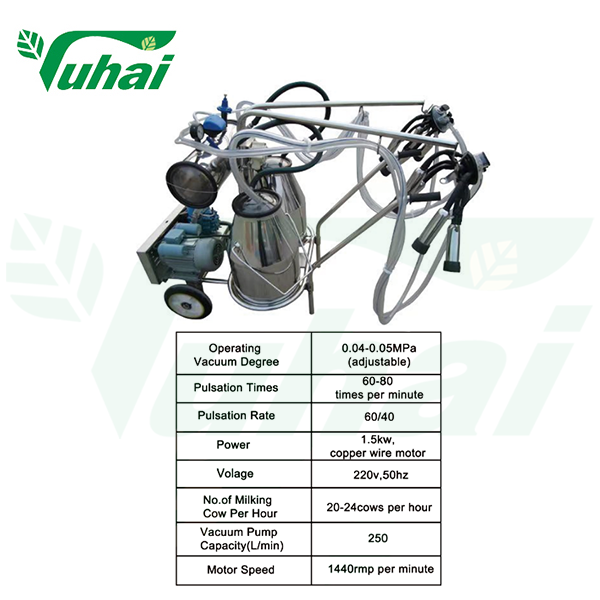
Modern dairy farming demands efficiency at every step, and one of the most significant operational bottlenecks remains the milking process. A portable milking machine represents a transformative solution for farms seeking to optimize labor allocation and reduce operational expenses. Unlike stationary systems that require animals to be brought to a fixed location, a portable milking machine enables operators to move the equipment directly to the herd, fundamentally reshaping how dairy operations manage their daily routines. This flexibility translates into measurable time savings and substantial reductions in labor costs, making it an essential investment for farms of all sizes.
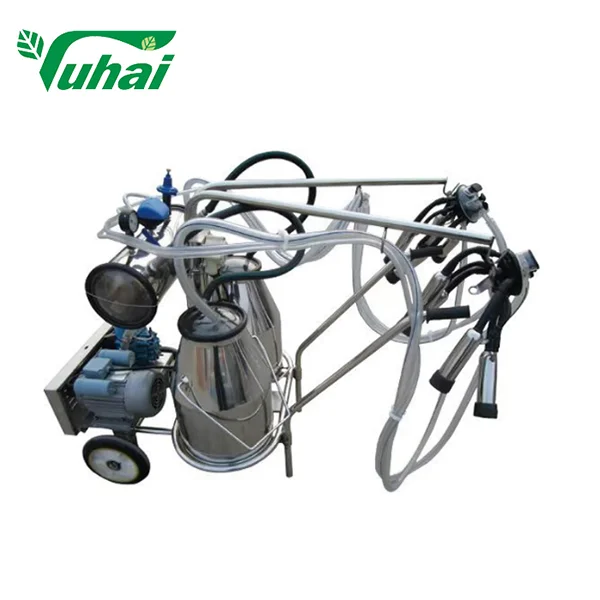
The decision to adopt a portable milking machine goes beyond simple equipment selection; it represents a strategic shift in farm management philosophy. By eliminating the need for animals to travel long distances to milking facilities, operators reduce animal stress, improve milk quality, and significantly decrease the physical demands on farmworkers. The cumulative effect of these improvements directly impacts the bottom line, as fewer workers are needed to accomplish the same output while maintaining higher productivity standards throughout the year.
How Portable Milking Machine Systems Enhance Operational Efficiency
Direct Time Savings Through Mobile Operation
Time represents the most valuable resource in dairy farming, and a portable milking machine directly addresses this constraint. Traditional setups require extensive animal movement, pen preparation, and facility management before the actual milking process begins. With a portable milking machine, operators eliminate these preliminary stages by bringing equipment to where animals rest or graze. This reduction in preparation time alone can save 15 to 20 minutes per milking cycle per operator, translating to multiple hours saved daily across an entire farm operation.
The streamlined workflow enabled by a portable milking machine also reduces downtime between milking sessions. Equipment is ready for immediate operation, reducing transition periods that typically consume resources in conventional setups. Farmworkers spend less time managing animal flow and facility logistics, allowing them to focus on animal health monitoring and maintenance tasks that directly improve herd productivity and milk quality.
Reduced Labor Intensity and Worker Burden
Labor costs represent one of the largest operational expenses in dairy farming, and a portable milking machine substantially reduces the number of personnel required per milking session. A single operator can effectively manage a portable milking machine system with less physical strain compared to stationary equipment operations. The ergonomic design of modern portable milking machine units minimizes repetitive stress injuries, extends worker careers, and improves workplace satisfaction. Fewer workers accomplishing the same milking volume means direct salary and benefit savings that compound throughout the year.
Worker retention improves significantly when farms implement a portable milking machine system, as the physically demanding nature of dairy work decreases. This stability reduces hiring and training costs while maintaining consistent operational quality. Experienced operators working with a portable milking machine become more efficient over time, creating additional productivity gains that enhance overall farm profitability.
Financial Impact and Cost-Benefit Analysis of Portable Milking Machine Investment
Quantifiable Labor Cost Reduction
Implementing a portable milking machine typically reduces labor requirements by 20 to 30 percent compared to conventional milking operations. For a medium-sized dairy farm, this translates into savings equivalent to one to three full-time employees annually, depending on herd size and current operational structure. The financial return on a portable milking machine investment often materializes within 18 to 36 months through direct labor savings alone. Additional benefits such as improved milk quality and reduced animal stress further enhance the economic case for adoption.
Maintenance and operational costs associated with a portable milking machine are typically lower than those for complex stationary systems. Fewer moving parts and simpler infrastructure requirements mean reduced repair expenses and extended equipment lifespan. These secondary cost advantages compound over the investment period, making the total cost of ownership increasingly favorable as the system operates year after year.
Productivity Gains and Revenue Enhancement
Beyond cost reduction, a portable milking machine increases overall herd productivity by enabling more frequent milking sessions with existing labor resources. When operators can milk more efficiently, herds often respond with increased milk production, as the improved comfort and reduced stress directly impact lactation cycles. Higher milk volumes combined with lower labor costs create a favorable financial environment for farm profitability and long-term sustainability.
The flexibility of a portable milking machine also enables farms to adapt to seasonal variations in labor availability. During periods when hiring temporary workers becomes necessary, portable equipment allows farms to maintain productivity with fewer total personnel, reducing dependence on external labor sources and associated management overhead.
Practical Implementation and Operational Advantages
Flexibility in Farm Layout and Animal Management
A portable milking machine eliminates the infrastructure constraints that stationary systems impose on farm design and expansion. Operators can adapt milking schedules and locations based on pasture rotation, seasonal factors, and herd health considerations. This operational flexibility enables farms to implement rotational grazing programs more effectively, as the portable milking machine accommodates animals wherever they are located. Such adaptability supports sustainable farming practices while maintaining production efficiency and worker convenience.
The ability to move a portable milking machine between different farm sections or facilities supports multi-site operations and contract milking services. Some farms utilize portable equipment to serve additional herds or provide custom milking services, creating additional revenue opportunities. This revenue diversification transforms the portable milking machine from a cost-reduction tool into an asset that generates new income streams.
Improved Animal Welfare and Milk Quality
Animal stress directly impacts milk composition and quality metrics that determine price premiums and buyer relationships. A portable milking machine minimizes stress by eliminating forced animal movement and unfamiliar environments. Calmer animals yield better milk quality, which translates into higher market prices and improved buyer satisfaction. Furthermore, less stressful milking procedures reduce mastitis incidents and other production-related health issues that compromise herd profitability.
The gentler operation of modern portable milking machine equipment preserves animal health and longevity. Reduced stress and injury risk contribute to longer productive lives for dairy animals, improving the return on breeding and raising investments. Farms often observe measurable improvements in herd health metrics within months of implementing a portable milking machine system, reinforcing both ethical and economic arguments for adoption.
FAQ
What is the typical payback period for investing in a portable milking machine?
Most farms experience payback within 18 to 36 months through direct labor cost savings. The exact timeline depends on herd size, current labor expenses, and local wage rates. Additional benefits such as improved milk quality and reduced animal health issues often accelerate the financial return, making many portable milking machine investments pay for themselves within two years or less.
How many workers can a portable milking machine system replace?
A single portable milking machine typically reduces labor requirements by 20 to 30 percent compared to conventional systems. For farms with three to four workers managing milking operations, this often translates into eliminating one full-time position. The actual number varies based on herd size, current efficiency levels, and equipment specifications, but the labor savings are consistently substantial and measurable.
Can a portable milking machine work effectively with all herd sizes?
Portable milking machine systems are available in configurations suitable for herds ranging from small specialty operations to large commercial farms. Smaller units work well for herds under 100 animals, while larger portable milking machine installations serve herds exceeding 500 animals. Selecting the appropriate portable milking machine capacity ensures optimal efficiency and maximizes the return on investment for your specific operation.