
 EN
EN


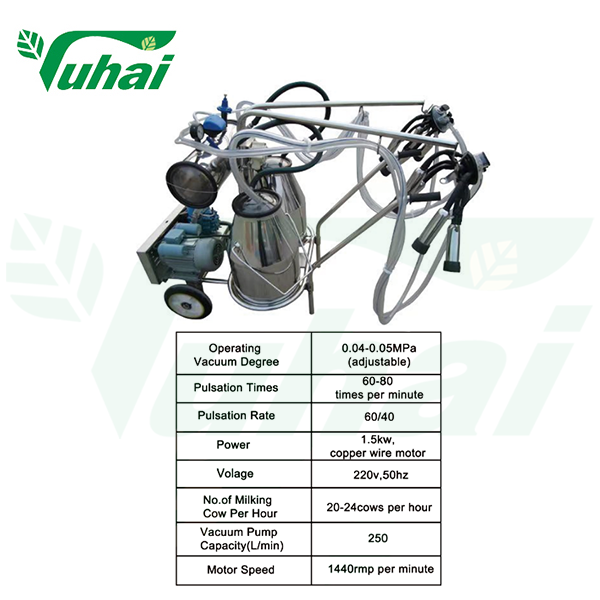
Remote and pasture-based dairy operations face unique challenges when it comes to milk collection and herd management. Unlike centralized facilities, these herds are often spread across vast grazing areas where traditional stationary infrastructure becomes impractical and costly. A portable milking machine addresses these operational constraints by bringing efficient, reliable milking capability directly to the animals. This flexibility transforms how farmers manage milk collection in dispersed herds, reducing stress on livestock, minimizing labor inefficiency, and maintaining milk quality standards even in remote settings.
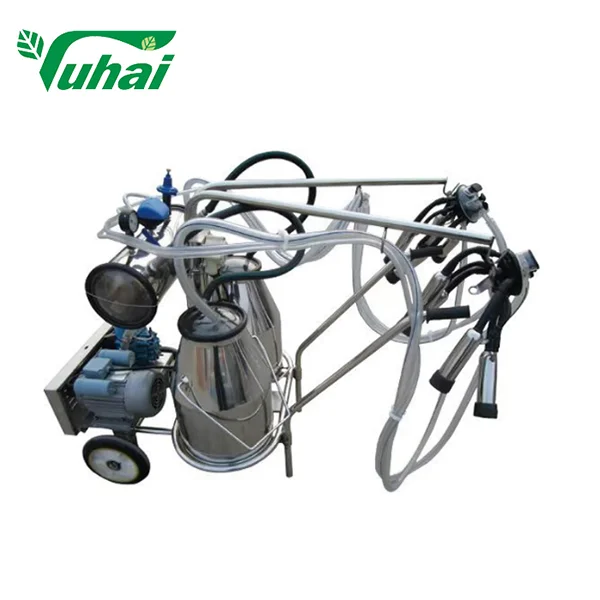
The dairy industry increasingly recognizes that a portable milking machine is not a luxury feature but a strategic necessity for operations managing animals across large or difficult-to-access terrain. Whether managing alpine pastures, hill grazing systems, or rotational paddocks, farmers need equipment that adapts to the herd's location rather than forcing animals to adapt to fixed infrastructure. This shift toward mobility reflects evolving industry standards around animal welfare, labor optimization, and production consistency. Understanding why a portable milking machine delivers such substantial benefits requires examining how modern dairy operations balance productivity, sustainability, and operational flexibility in challenging environments.
How Portable Milking Machines Solve Dispersed Herd Challenges
Bringing Milking Capability to Grazing Herds
Pasture-based dairy systems depend on animals accessing diverse grazing areas across extended distances, which creates a fundamental problem: how to collect milk efficiently without moving animals long distances twice daily. A portable milking machine eliminates this inefficiency by traveling with the herd or being stationed at key grazing zones. Rather than forcing animals to walk several kilometers to a central dairy facility, farmers can bring the portable milking machine to where the animals are grazing. This proximity significantly reduces animal stress, which directly improves milk quality and consistency. The portable milking machine's mobility also allows farmers to adjust collection points based on seasonal grazing patterns, herd movement, and infrastructure availability.
Reducing Labor Intensity in Remote Operations
Remote dairy operations traditionally require either substantial labor to move animals twice daily or complex infrastructure to reach dispersed herds. A portable milking machine dramatically reduces both constraints. One operator can manage milk collection across multiple grazing zones using mobile equipment, compared to needing several staff members to drive animals or maintain multiple collection points. This labor efficiency is especially valuable in regions where dairy workers are scarce or where wage costs make large teams economically unsustainable. The portable milking machine also reduces time spent on animal handling and transportation, allowing staff to focus on herd health monitoring, pasture management, and other high-value farm activities.
Operational and Production Advantages of Portable Milking Equipment
Maintaining Milk Quality in Dispersed Systems
Milk quality deteriorates when collection times are extended, animals are stressed during transport, or milking is delayed. A portable milking machine maintains cold chain integrity and collection speed regardless of herd location. Modern portable milking machine models include integrated cooling and storage systems that preserve milk temperature immediately after collection, preventing bacterial growth and maintaining premium pricing in quality-focused markets. Because the portable milking machine operates on-site, farmers eliminate transport time between grazing paddocks and central facilities, which historically created quality risks. Rapid cooling capacity in contemporary portable milking machine designs ensures that milk reaches collection standards within minutes, not hours, a critical advantage for operations pursuing organic certification, grass-fed branding, or premium cooperative contracts.
Flexibility for Seasonal and Rotational Grazing
Regenerative and rotational grazing systems require herds to move frequently between paddocks, often several times per week or daily during intensive rotation. A portable milking machine adapts seamlessly to these grazing schedules by being relocated as the herd moves. This flexibility is impossible with stationary milking parlors, which lock operations into fixed animal movement patterns that often conflict with optimal pasture management. The portable milking machine enables farmers to prioritize grazing strategy and herd welfare without compromising milk collection efficiency. Seasonal migrations to different altitude ranges, temporary dry-season pastures, or emergency grazing during feed shortages all become logistically feasible when a portable milking machine provides consistent, mobile collection capability.
Investment, Infrastructure, and Implementation Considerations
Capital Efficiency and Rapid Deployment
Building centralized dairy facilities requires substantial upfront investment in construction, utilities, and regulatory compliance, often demanding years of planning and millions in capital expenditure. A portable milking machine offers significantly lower entry barriers and faster deployment. Farmers can begin operations within weeks rather than years, and capital requirements scale with herd size rather than requiring fixed facility investments. This is particularly valuable for new dairy operations, expansion projects, or farmers transitioning to pasture-based systems where the existing infrastructure may not suit mobile grazing models. The portable milking machine also provides flexibility: if grazing strategies change or the operation relocates, the equipment moves with it rather than becoming a sunk investment tied to a specific location.
Power and Infrastructure Requirements
Modern portable milking machine units operate with diverse power options, including diesel generators, battery systems, or solar integration, making them functional in remote areas where grid electricity is unavailable. This independence from centralized utilities is essential for mountain operations, island dairies, or farms deliberately choosing remote locations for grazing quality or lifestyle reasons. A portable milking machine's self-contained systems eliminate the need for costly utility infrastructure, water supply development, or sewage systems that would otherwise require years of planning and thousands in investment. The portable milking machine's scalable design also means that operations can start with smaller units and expand capacity as herd size and revenue grow, distributing capital investment across multiple years rather than requiring full funding before operations begin.
FAQ
Can a portable milking machine maintain the same production standards as a stationary parlor?
Yes, modern portable milking machine systems are engineered to meet identical milk quality and production standards as fixed facilities when properly maintained. A portable milking machine delivers equivalent milking speed, hygiene protocols, and milk handling procedures. The primary difference is flexibility of location rather than technical capability. Advanced portable milking machine models include automated milking cups, vacuum control, and hygiene verification systems equivalent to large-scale parlors. The key is selecting a portable milking machine specifically designed for production-scale dairy rather than small hobby operations, ensuring the equipment includes quality sensors, temperature management, and filtration systems that meet commercial standards and buyer requirements.
What is the typical maintenance schedule for a portable milking machine?
A portable milking machine requires regular maintenance similar to stationary equipment: daily cleaning of milking clusters and milk lines, weekly sanitization of collection vessels, and periodic inspection of vacuum systems and seals. Maintenance frequency for a portable milking machine depends on usage intensity and environmental conditions, with most operations performing detailed inspections every 3-6 months. Because a portable milking machine is mobile, components experience additional wear from movement and vibration compared to fixed equipment, making preventive maintenance especially important. Many portable milking machine manufacturers provide comprehensive service schedules and spare parts kits designed for remote deployment, allowing operators to perform basic repairs without depending on distant service centers.
How does herd size affect the choice of a portable milking machine?
Herd size directly influences which portable milking machine model is appropriate, with equipment ranging from single-unit systems for 20-30 animals to multi-cluster portable milking machine units managing 100+ animals per day. Smaller herds may use simpler, lightweight portable milking machine designs that prioritize transportability, while larger operations require faster portable milking machine configurations with higher throughput capacity. A portable milking machine selection should match both current herd size and planned expansion, as upgrading equipment later adds unnecessary cost. Many operators with growing herds start with a basic portable milking machine unit and add supplementary equipment later, allowing gradual scaling without early overinvestment in capacity that may not be needed immediately.