
 EN
EN


Enhancing Milk Hygiene Through Cow Milking Machines
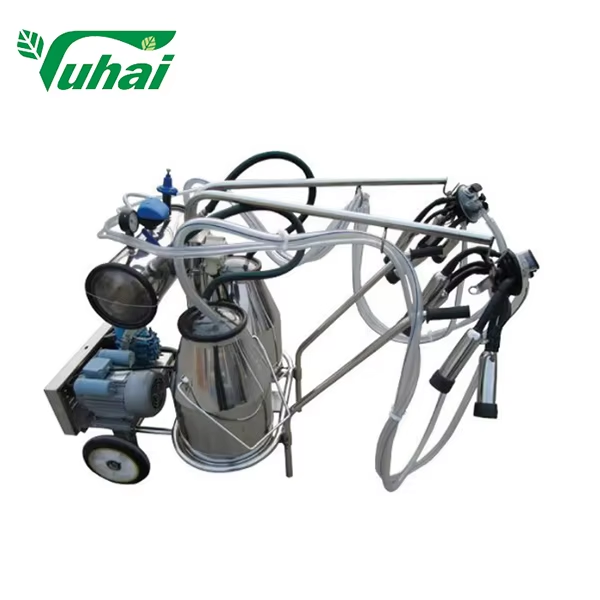
Dairy farms today are turning to automation more than ever before to keep milk quality and safety at top levels. When properly maintained, modern milking machines cut down on contamination chances because they limit how much humans handle the equipment and reduce exposure to outside elements during milking sessions. Most automated setups follow strict protocols for cleanliness across the board, but if someone forgets to clean those parts regularly or skips maintenance checks, problems tend to pop up pretty quickly. Farmers who automate things like teat preparation, actual milking, and post-milking cleaning routines generally get better results in terms of milk purity. Plus, these automated processes save time and money over the long run since there's less labor involved and fewer quality issues to deal with later on.
Reducing Human Contact to Minimize Contamination
When done manually, milking brings in all sorts of potential contaminants from things like skin contact, bits of clothing fiber getting mixed in, and just plain old differences in how clean workers keep themselves. That's where automated milking comes in handy. These systems basically lock down the whole process inside sealed parts so nothing outside gets into the milk. No more dust floating around, no stray hairs falling in, definitely fewer chances for bacteria to hitch a ride. Studies have shown farms switching to these automatic setups see about a 40% drop in bacteria levels compared to when they were doing it by hand. For dairy operations concerned about keeping their product safe, investing in automation makes a lot of sense both for quality control and meeting those ever tightening food safety standards these days.
Lowering Risk of Environmental Pathogen Contamination
Milk left out in open barns gets contaminated pretty easily from all sorts of stuff floating around in the air, including bacteria, dirt, and bits of manure. That's why modern dairy farms are switching to enclosed milking systems where possible. These setups actually form a protective shield around the milk as it flows through the system. Think about those rubber teat cups and milk claws working together inside this sealed environment. Better yet, many newer machines come equipped with automatic cleaning features that run after each milking session, scrubbing away any lingering germs. When everything works right, fresh milk travels straight from cows' udders into chilled storage tanks without ever touching barn floors or mixing with outside air. This makes a real difference in how long the milk stays good and maintains its nutritional value too.
Standardized Procedures Ensure Consistent Milk Hygiene
When it comes to milking cows, automation really makes things consistent across the board, something that just doesn't happen with manual approaches where there's always some variation. Every single cow gets cleaned properly before milking starts, has her teats stimulated correctly, and then gets disinfected after. This helps keep different animals from spreading infections to each other since everything follows exactly the same procedure. The machines maintain steady vacuum levels and proper pulsation rates too, so we avoid problems like squeezing too hard or leaving milk behind in the udder, both of which can actually hurt the cow's health long term. Farmers need this kind of consistency not only because regulations require it but also because consumers these days care a lot about food safety when they buy dairy products at the store.
Potential Hygiene Risks if Maintenance Is Neglected
Automated milking systems definitely improve cleanliness standards, but they still need proper maintenance. Milk residues tend to stick around in those rubber liners, plastic tubing, and metal claw attachments. Over time, this buildup creates perfect conditions for bad bacteria such as E. coli and various streptococcus strains to grow. If farmers don't clean everything thoroughly on a regular basis, these stubborn biofilms will eventually make their way into fresh milk supplies. Most dairy operations have established routines that involve taking apart components every day, giving them a good rinse, then applying proper sanitizers. Skipping any part of this process turns expensive machinery into potential health hazards instead of solutions. The whole point of investing in automation gets lost when poor maintenance practices let contaminants back into the product stream.
Core Technology: Vacuum and Pulsation in Cow Milking Machines
How Vacuum and Pulsation Enable Safe and Efficient Milk Extraction
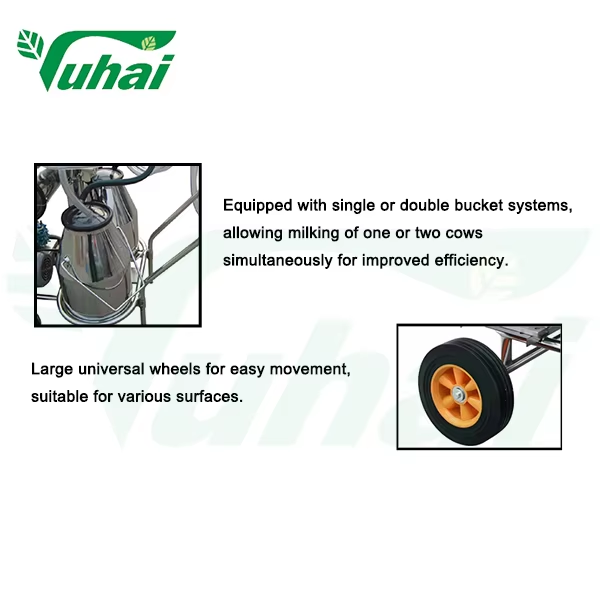
Today's milking machines work on two main ideas vacuum pressure plus rhythmic pulsation to mimic how calves nurse naturally but do it faster and better. The vacuum part makes gentle suction around the teat area usually somewhere between 40 to 50 kilopascals for regular dairy cows which pulls the milk out without hurting them too much. Meanwhile there's this other component called a pulsator that switches back and forth between actually milking and letting the udder rest about 60 times every minute following roughly a 60 second on 40 seconds off pattern. This helps keep blood flowing properly through the udder tissue so nothing gets damaged during the process. Farmers find these systems really effective because they get all the milk out with minimal stress on the animals, leading to bigger milk production overall and healthier udders when compared to old fashioned hand milking techniques.
Key Components: Teat Cups, Milk Claw, Pulsator, and Vacuum Pump
Four essential components work in synchronization within every milking system:
- Teat cups feature flexible liners that massage the teat during pulsation cycles
- Milk claws collect milk from all four quarters and transport it to the recording jar
- Pulsators regulate pressure alternation between vacuum and atmospheric conditions
- Vacuum pumps maintain consistent negative pressure throughout the system
This coordinated operation ensures smooth milk flow from udder to storage under hygienic conditions, significantly reducing bacterial contamination risks compared to open-bucket systems.
Innovations in Pulsator Design for Better Teat Stimulation
The dairy industry has seen a big move away from old school pneumatic pulsators toward modern electronic controllers which let farmers tweak pulsation rates and ratios with much greater precision. Newer milking systems actually learn from how each cow behaves during milking sessions, adjusting stimulation levels according to what works best for real time milk flow patterns. Farmers report cutting down milking times around 15% overall, plus getting better milk extraction results which helps cut down on mastitis cases. Most setups now come with built in sensors that keep an eye on vacuum levels and pulsation performance throughout the process. When something goes off track, these sensors send alerts so operators can catch problems before they start affecting milk quality or causing discomfort to the animals.
Boosting Efficiency with Automated Milking Systems (AMS)
Labor Savings and Operational Efficiency in Modern Dairy Farms
Automatic milking systems (AMS) have changed how dairy farms handle their workforce by getting rid of the need for set schedules and hands-on milking sessions. The cows get milked whenever they want without someone standing there watching all day long, which means fewer people needed for this task. According to various studies across the industry, dairy operations that switch to AMS typically save around 18% on labor costs. That frees up workers to spend time checking on cow health issues, adjusting feed rations, and keeping barns clean instead of just milking animals twice daily. For bigger operations with hundreds of head, these savings really add up since traditional methods require so many extra hands during peak milking times. Plus, farmers report better work-life balance because employees aren't stuck at the parlor from dawn till dusk anymore. Less backbreaking labor also means fewer injuries over time, making farms run smoother in the long run while still maintaining good animal care standards.
Data-Driven Insights from AMS: Improving Milk Yield and Timing
Automated Milking Systems (AMS) act like central data centers for dairy farms, constantly monitoring each cow's performance including how much milk they produce, how often they're milked, how long each session lasts, and even the pattern of milk flow. With all this detailed information at their fingertips, farmers can adjust when cows get milked to maximize output while keeping their udders healthy. According to recent farm reports, operations that have switched to these data based approaches typically see around 10 to 12 percent boost in milk production over traditional methods. What really makes a difference though is catching subtle shifts in milk quality or flow early on. These small changes often signal health problems before they become serious issues, which means farmers can intervene quickly and maintain consistent productivity levels across the herd.
Case Study: Productivity Gains After Transitioning to Automated Milking
Looking at multiple farms across different regions showed pretty impressive results after they started using AMS systems. Most operations saw workers spending about 4 hours less per cow each year, and milk output went up around 8 to maybe even 10 percent in some cases. The machines just keep doing their thing consistently day after day, which actually makes a big difference in milk quality. Farmers noticed somatic cell counts went down between 15 and 20 percentage points because the cows got milked more thoroughly and regularly throughout the day. All these benefits together meant most farms recouped their investment money somewhere between three to five years later. So even though AMS requires a decent upfront expense, over time it pays off through better efficiency, more milk coming out of the same herd, and not having to pay for as many man hours.
Cow Milking Machine Impact on Udder Health and Mastitis Prevention
Consistent Milking Routines Reduce Stress and Prevent Mastitis
Milking machines create regular schedules for cows that actually cut down on their stress and keep their udders healthier than traditional methods. When people milk by hand, there's always some variation depending on who does it, but automatic systems maintain consistent vacuum pressure and pulsations similar to how calves nurse naturally. This kind of regularity stops problems like over milking and damages to the teats, which are major causes behind mastitis issues. Research indicates that dairy farms switching to these automated setups often see around 30 to 35 percent drop in actual mastitis cases according to various reports. Plus, the predictable rhythm makes life easier for the animals too. Cows get used to what happens next during milking time, so they don't get as stressed out. Their bodies respond with lower cortisol levels, which means happier cows overall and improved conditions across the entire herd.
Pre-Milking Preparation and Post-Milking Teat Disinfection Protocols
Good hygiene practices really matter when it comes to preventing mastitis in dairy operations. Most automated milking setups start with cleaning and stimulating the teats before milking begins, which gets rid of dirt and helps release milk without needing hands-on work from farmers. After milking, there's usually a disinfection step where special nozzles spray antiseptic stuff onto the teats to protect them from bacteria getting inside. When farmers stick to these steps consistently, studies show they can cut down on new cases of mastitis by around half. These days, lots of newer systems come equipped with sensors that check both teat health and milk quality. They'll send warnings if something looks off, helping catch problems early on while also making sure everyone follows proper cleaning procedures day after day.
Automated vs. Conventional Milking Systems: A Comparative Analysis
Hygiene, Efficiency, and Milk Quality: Key Performance Metrics Compared
Looking at automated versus traditional milking systems, there are really three main things people care about: how clean they keep things, how much work they save, and what happens to the milk quality. Automated milking systems do better with cleanliness because cows don't get handled as much by humans, plus the machines handle teat cleaning consistently. Farmers report seeing bacterial counts in bulk tanks drop somewhere between 15 and 25 percent compared to older methods. On the efficiency side, these automatic systems cut down on labor requirements quite dramatically, maybe around two thirds less work needed, and they can run all day long without stopping. Some folks still argue that conventional setups might have a tiny edge in certain technical aspects since they don't require such big upfront investments. When it comes to milk composition, automated systems tend to produce more consistent fat and protein content because the timing stays regular. The somatic cell count numbers end up similar across both approaches when everyone follows good practices, which shows that proper management matters just as much as the technology itself in dairy farming operations.
Reducing Human Variability Through Automation in Milking Routines
Switching over to automatic milking gets rid of those little variations that come with people doing the job manually. When farmers do it by hand, there's always some difference in when they prep the teats, attach the milking units, and decide when to take them off – all these things impact how well the milk comes out and affects the cows' udders too. With automated systems, everything becomes consistent. The machine gives about a minute of pre-milking stimulation before starting, cleans according to set rules, and takes itself off once the milk slows down to around 200 to 400 milliliters per minute. This cuts down on the roughly 10 to 15 percent differences we normally see between different workers. Sure, automated milking still needs someone watching over things technically, but what matters is that each cow gets exactly the same good treatment no matter what time of day or who's working. That makes for a much better and more productive milking setup overall.
FAQ
How do milking machines improve milk hygiene?
Milking machines limit human contact, reduce environmental contamination, and offer automatic cleaning processes, all of which help maintain milk purity and meet food safety standards.
What is the core technology behind cow milking machines?
Cow milking machines rely on vacuum pressure and rhythmic pulsation to extract milk safely and efficiently, mimicking the natural nursing process.
What are the main components of a milking machine system?
The key components include teat cups, milk claws, pulsators, and vacuum pumps, all working in synchronization to ensure smooth and hygienic milk flow.
How do Automated Milking Systems (AMS) affect labor and milk yield?
AMS improve labor efficiency by allowing cows to be milked at any time without additional staffing, while also increasing milk yield through detailed data monitoring and efficient timing.
What are the benefits of using cow milking machines?
Milking machines reduce contamination and increase efficiency in dairy farms. They use automation to ensure better hygiene, save labor costs, and maintain consistent milk quality.
Table of Contents
- Enhancing Milk Hygiene Through Cow Milking Machines
- Core Technology: Vacuum and Pulsation in Cow Milking Machines
- Boosting Efficiency with Automated Milking Systems (AMS)
- Cow Milking Machine Impact on Udder Health and Mastitis Prevention
- Automated vs. Conventional Milking Systems: A Comparative Analysis
- FAQ