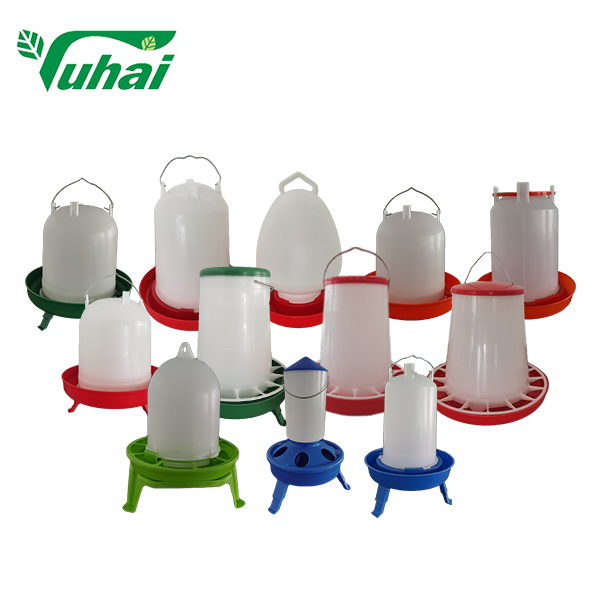
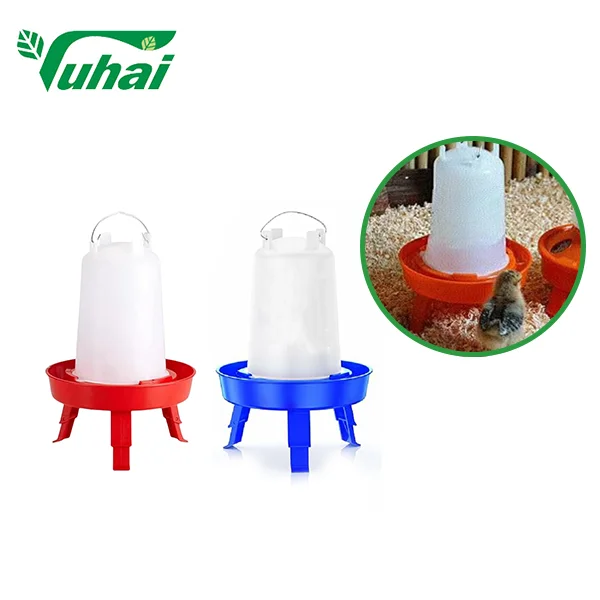
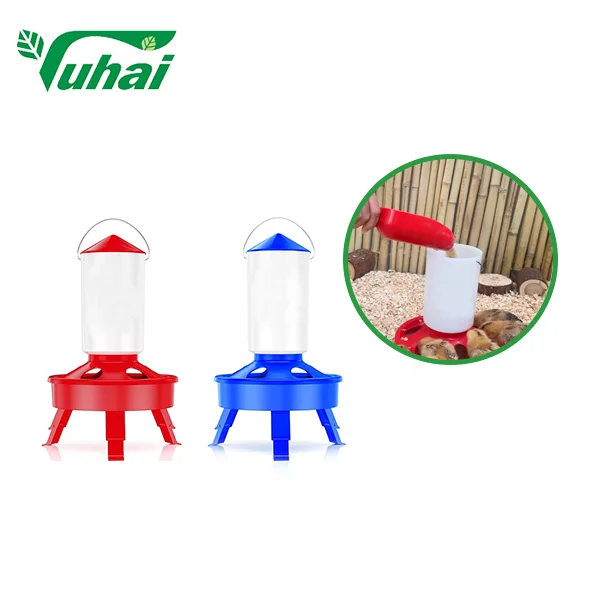
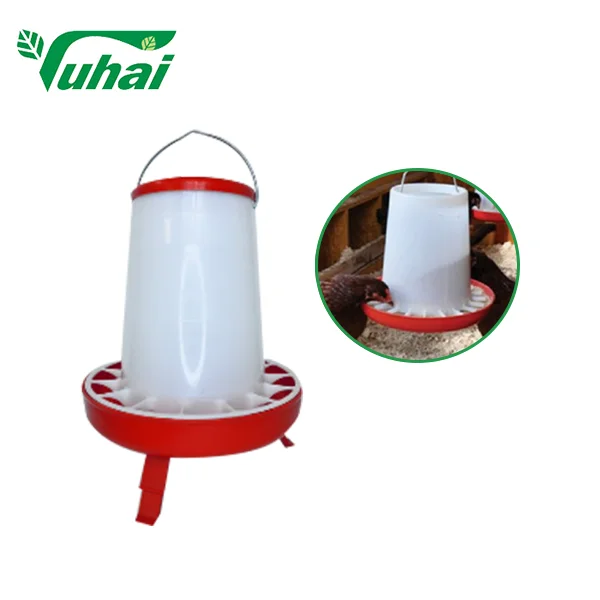
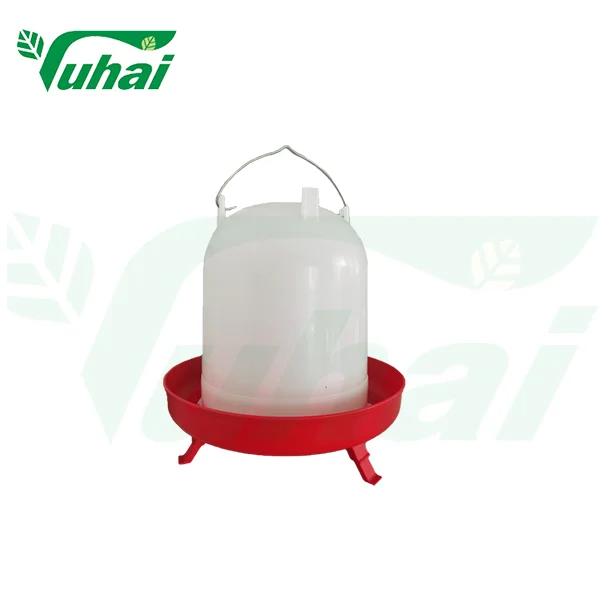
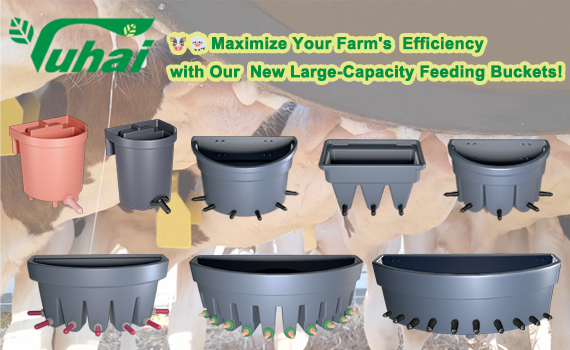
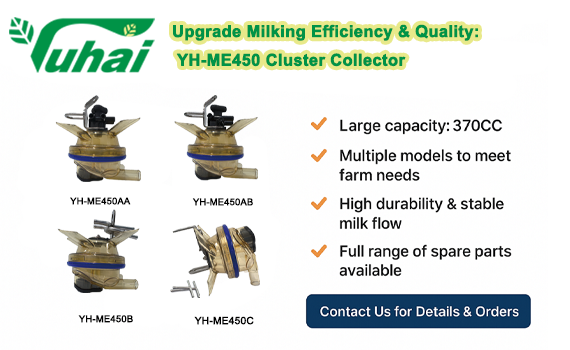
A high-quality chicken feeder is far more than just a container for holding feed. It serves as a core tool connecting husbandry management with flock health and economic efficiency, with its application scenarios presenting diverse needs based on the scale, method, and objectives of the operation.
First, for backyard hobbyists raising chickens, the feeder's primary function lies in achieving tidiness and efficiency within limited spaces. Typically raising a small number of chickens, these users prioritize maintaining a clean coop within limited space while effectively preventing pests like squirrels and rodents from stealing or contaminating feed. Feeders suited for this scenario are often compact, aesthetically designed, and feature weatherproofing and pest-proofing capabilities. Examples include feeders with foot pedals, which ensure feed freshness and cleanliness while significantly simplifying daily management.
In stark contrast, commercial poultry farms treat feeders as critical components within high-efficiency production systems. Large-scale operations prioritize feeding efficiency, feed conversion rates, and labor cost reduction. They require high-capacity, fully automated feeding systems capable of delivering uniform, timely feed to tens of thousands of chickens. Feeders in these settings are typically automated conveyor chains or disc systems connected to large storage silos. Their purpose is to minimize feed waste and labor input, directly impacting the farm's economic efficiency.
For free-range and pasture-based farming models prioritizing natural conditions and animal welfare, the focus shifts to mobility and adaptability. These feeders must be lightweight yet sturdy, featuring handles for easy transport, stable placement on uneven terrain like pastures, and effortless relocation with the flock. Their core objective is to complement the birds' free-range activities, providing nutritional supplements without disrupting natural behaviors while effectively deterring wild bird interference.
Moreover, in today's biosecurity-focused environment, feeders serve as critical “sanitation officers.” Whether in small backyard operations or large-scale farms, preventing mold growth and disease transmission is paramount. A fully enclosed feeder that is easy to thoroughly clean, features smooth surfaces without dead corners, and prevents chickens from defecating in feed forms the foundation for building a healthy flock defense, effectively reducing the risk of spreading diseases like avian influenza.
Finally, feeder applications extend to specialized poultry and ornamental birds like quail, ducks, turkeys, and rare species. These birds exhibit significant variations in beak structure, feeding habits, and size, necessitating specially designed feeders. For instance, feeders for small quails require fine-pore designs to prevent feed spillage, while those for aquatic birds like ducks must effectively minimize feed dampening and waste caused by water play.

 EN
EN