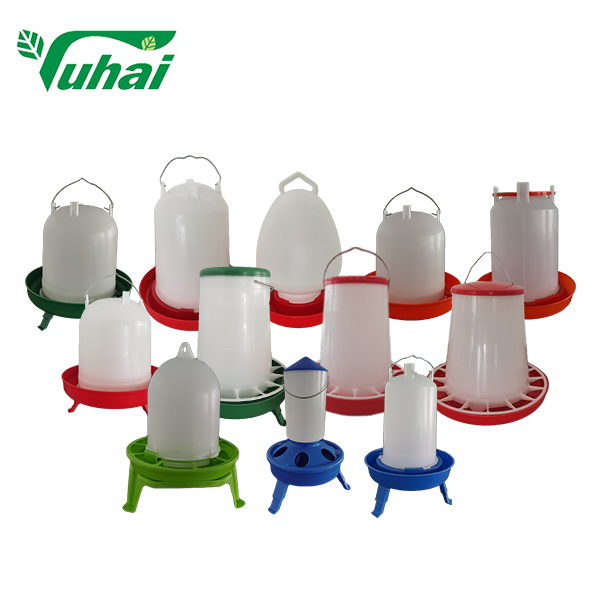
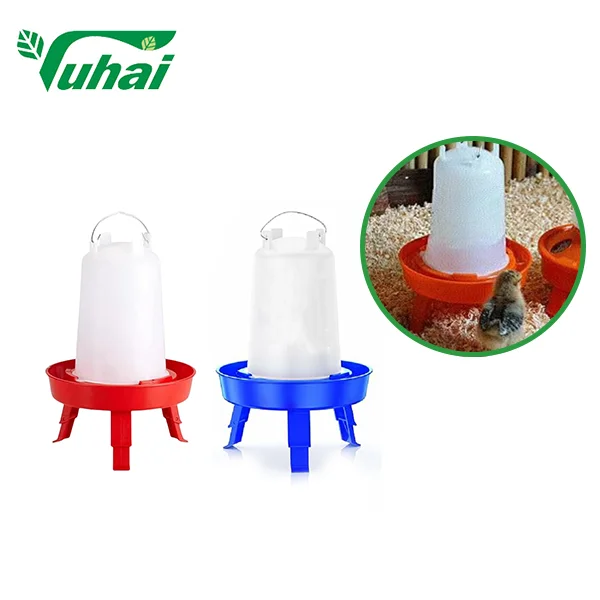
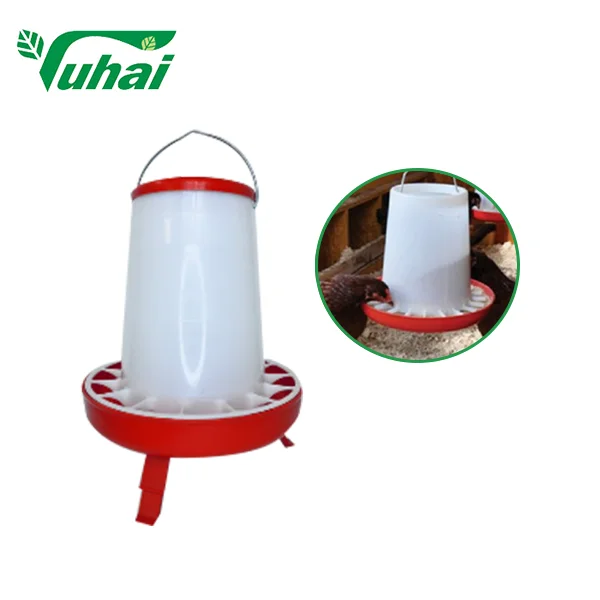
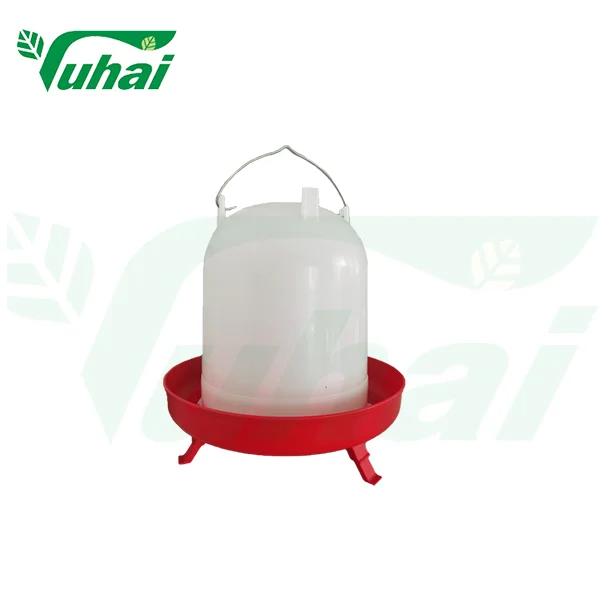
For many poultry farmers, chicken feeders are often viewed as simple containers. However, to experienced breeders, their significance extends far beyond this—they are the silent cornerstone determining the success or failure of a farm. Selecting an appropriate chicken feeder is not merely a routine purchase, but a strategic decision directly impacting poultry health, economic efficiency, and management effectiveness. Its true importance manifests across several core dimensions.
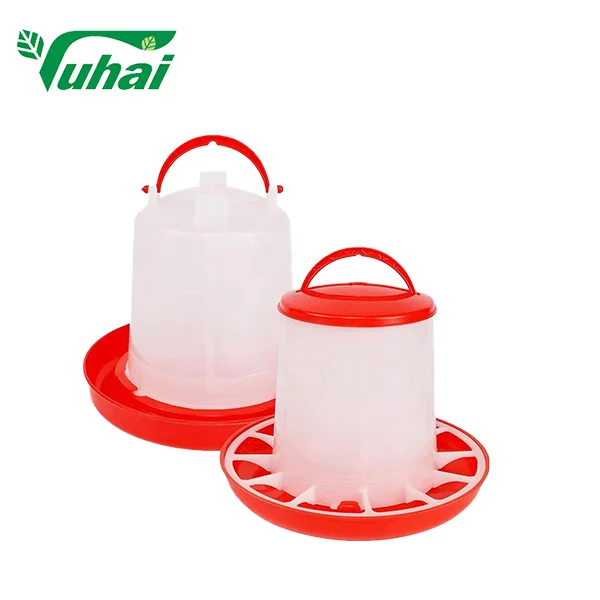
First, chicken feeders hold significant economic value as a key tool for controlling farming costs. Many novice farmers underestimate the severity of feed waste. Using poorly designed open troughs allows poultry's natural pecking and playing instincts to scatter up to 30% of feed onto the ground, where it spoils or becomes prey to pests. A well-designed anti-waste feeder, featuring anti-scratching grids, foot-operated mechanisms, or narrow openings, securely locks feed within the container, ensuring every grain is effectively consumed by the poultry. This direct reduction in waste translates into tangible feed cost savings, often allowing a high-quality feeder to recoup its cost within months and directly impacting the farm's profitability.
Beyond economic value, chicken feeders play a critical role in maintaining poultry health, serving as the first line of defense for biosecurity. An exposed feeder easily becomes a breeding ground for disease. Spilled feed attracts rodents and wild birds carrying pathogens like salmonella and avian influenza; poultry droppings can contaminate feed; and damp feed becomes a paradise for mold growth. Modern feeders feature sealed bases, rainproof covers, and automatic foot-operated opening mechanisms, creating a closed, hygienic feeding environment. This isolation from contamination serves as a non-pharmaceutical intervention to prevent disease transmission, reduce antibiotic use, and safeguard flock health—its health benefits are immeasurable.
In terms of convenience, chicken feeders have revolutionized farming management, granting farmers unprecedented freedom. Traditional daily refilling was a tedious routine task. A high-capacity feeder (e.g., 20-40 pounds) can extend refill frequency from once daily to every few days or even weekly. Fully automatic feeders elevate convenience to new heights by automating management through timed feeding. This not only saves significant time and effort for farmers but also provides unparalleled peace of mind, enabling short trips or vacations. Thus, poultry farming transforms from a daily constraint into a relaxed, sustainable hobby or business.

 EN
EN