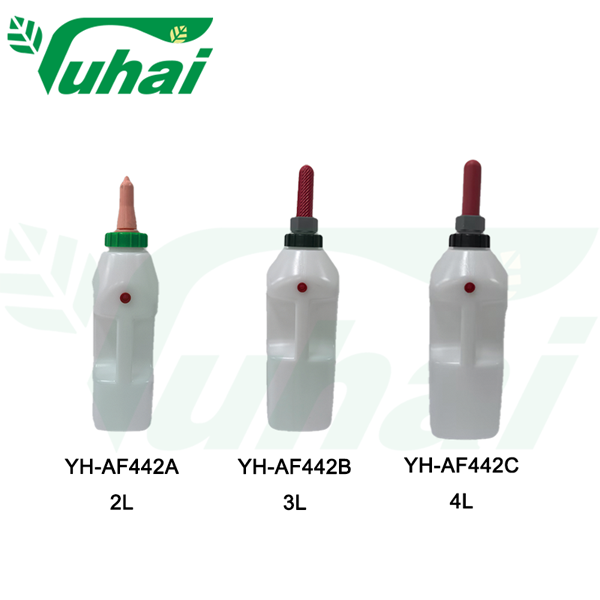
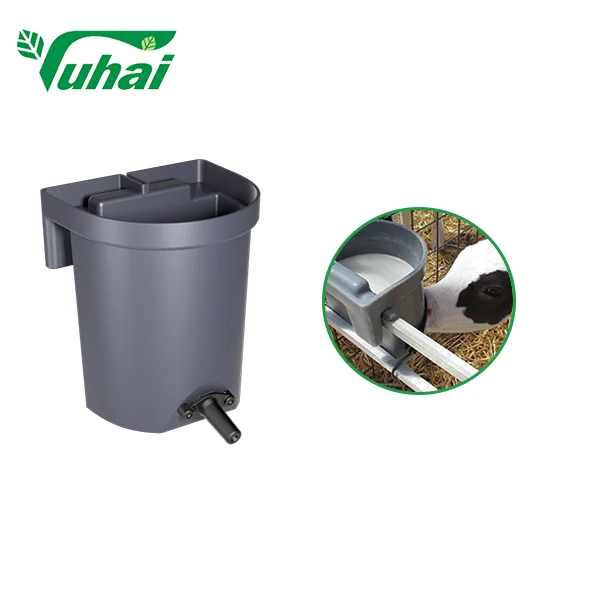
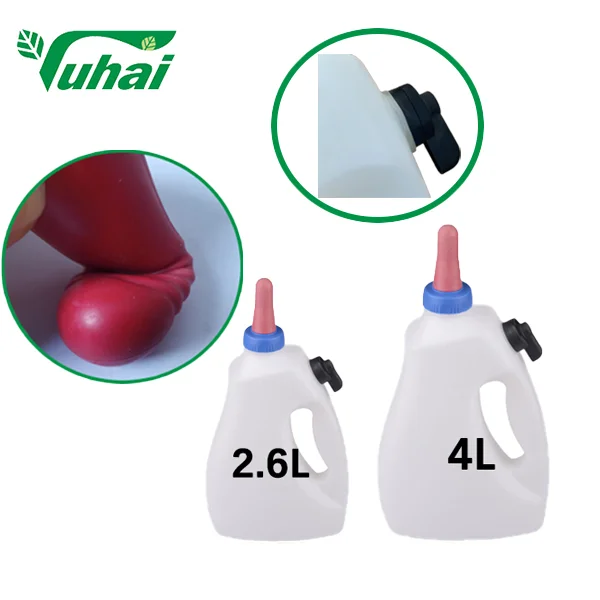
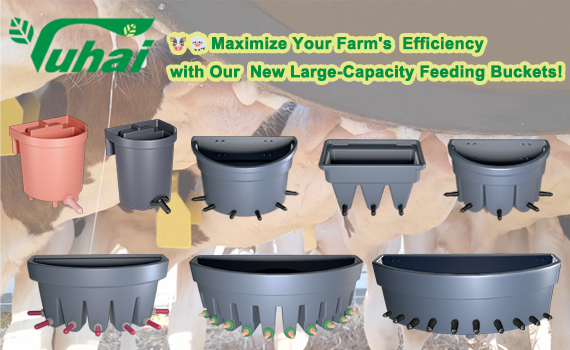
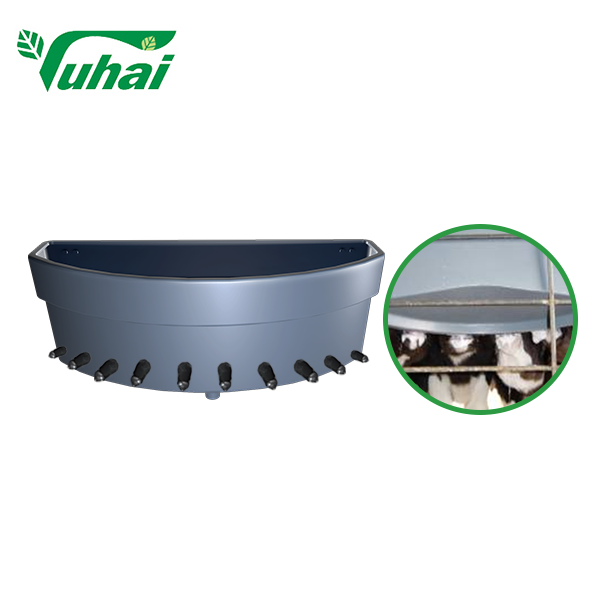
For dairy farmers, ranch operators, and homesteaders, the calf bottle is far more than a simple feeding vessel—its importance hinges on calf survival, health, and the economic viability of the entire operation. First and foremost, its core significance lies in ensuring the calf's survival and healthy development. For calves raised by foster cows—whether abandoned by their mothers or orphaned by maternal death—this bottle is the sole lifeline sustaining their existence. It ensures calves receive timely, adequate amounts of antibody-rich colostrum within the critical first 24 hours after birth, establishing passive immunity and significantly reducing the incidence of common illnesses like diarrhea. Simultaneously, precise bottle-feeding allows effective control over milk volume and water temperature, preventing overfeeding or underfeeding. It also facilitates the convenient addition of electrolytes or medications for targeted treatment of sick calves—a fundamental factor directly determining their healthy growth.
Second, the milk bottle system delivers significant economic value. Each calf represents a future asset, and the bottle—a low-cost tool—shoulders the critical responsibility of safeguarding this high-value investment. Successfully raising an abandoned calf via bottle-feeding transforms what could be a total loss into a future productive dairy cow or beef cattle, directly boosting return on investment. Consistent, scientifically sound bottle-feeding establishes a solid growth foundation for calves, enabling them to reach weaning, breeding, or market weight on schedule and optimizing efficiency throughout the entire rearing cycle. Furthermore, adhering to the “one calf, one bottle” principle effectively prevents cross-infection of diseases like paratuberculosis within the herd, shielding the farm from potential massive medical losses and collective health crises.
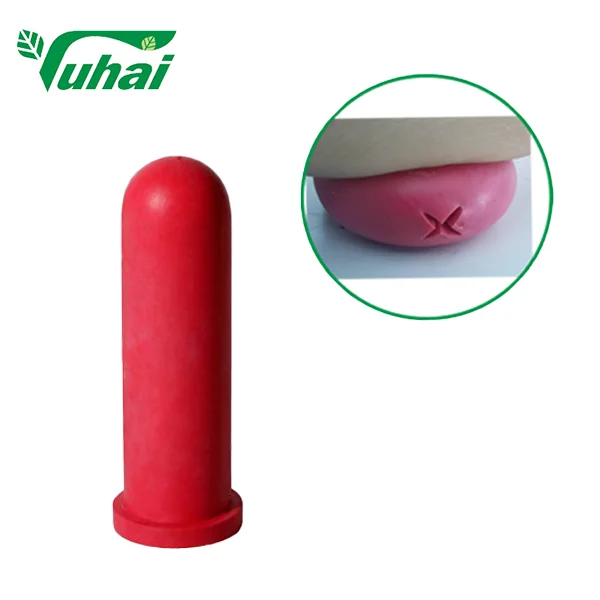
From an operational perspective, a well-designed calf bottle significantly enhances feeding convenience and efficiency. The nipple design is critical: a “bionic” slow-flow nipple that mimics calf oral anatomy induces natural suckling reflexes, promotes healthy rumen development, and effectively prevents aspiration pneumonia caused by milk choking. The bottle's durable materials (such as BPA-free), clear volume markings, and wide-mouth design facilitate cleaning and sterilization. These features not only extend the product's lifespan but also fundamentally ensure feeding hygiene, saving farmers time and effort while reducing daily operational burdens.
Finally, the milk feeder embodies behavioral significance for animal welfare. The proper bottle-feeding process itself mimics natural suckling behavior. While providing nutrition, it also satisfies psychological needs, reducing stress associated with artificial rearing. This supports calves' natural behavioral expression and mental well-being, a feature particularly valued by modern farms and homesteads prioritizing animal welfare. In summary, the calf bottle serves as a vital tool connecting calf health, farm profitability, and manager efficiency—its importance cannot be underestimated.

 EN
EN