
 EN
EN



Maintaining udder health stands as one of the most critical responsibilities in dairy herd management, directly impacting milk quality, animal welfare, and farm profitability. Among the various hygiene protocols implemented on modern dairy operations, the consistent application of teat disinfection using a dip cup has proven to be an indispensable practice. This simple yet effective tool serves as the frontline defense against mastitis-causing pathogens, helping dairy producers protect their herds from costly infections while ensuring compliance with food safety standards. Understanding why regular use of dip cups matters goes beyond basic sanitation—it encompasses disease prevention, economic sustainability, and long-term herd productivity.
The decision to incorporate regular dip cup usage into daily milking routines reflects a proactive approach to dairy farm biosecurity. Unlike reactive treatment methods that address infections after they occur, systematic teat dipping creates a protective barrier that prevents pathogen colonization at the most vulnerable point of entry. Dairy producers who implement rigorous dipping protocols consistently report lower somatic cell counts, reduced antibiotic usage, and improved milk production metrics. The economic implications extend beyond immediate infection prevention, influencing everything from bulk tank penalties to reproductive efficiency and culling rates. As regulatory scrutiny intensifies and consumer demand for responsibly produced dairy products grows, the importance of maintaining exemplary udder health through proven methods like dip cup application becomes increasingly vital.
The Biological Foundation for Teat Disinfection
Pathogen Entry Points and Infection Mechanisms
The teat canal represents the primary route through which mastitis-causing bacteria enter the mammary gland. During and immediately after milking, the teat sphincter remains partially open for approximately thirty minutes to two hours, creating a window of vulnerability when pathogens can migrate upward into the udder tissue. Environmental bacteria such as Streptococcus uberis, Escherichia coli, and Klebsiella species thrive in bedding materials, manure, and contaminated surfaces, constantly seeking opportunities to colonize exposed teat surfaces. Contagious pathogens like Staphylococcus aureus and Streptococcus agalactiae spread directly from cow to cow during the milking process, making post-milking disinfection absolutely critical. Regular use of a dip cup ensures that an effective germicidal solution coats each teat immediately after milk removal, neutralizing pathogens before they can establish infections.
The anatomical structure of the teat itself influences infection susceptibility. The teat canal measures only two to three millimeters in diameter and extends eight to twelve millimeters in length, lined with a keratin layer that provides some natural antimicrobial protection. However, mechanical stress from milking equipment, environmental exposure, and physical injuries can compromise this natural defense system. Damaged teat ends, hyperkeratosis, and teat lesions all increase infection risk substantially. Applying disinfectant through a dip cup delivers antimicrobial agents directly to these vulnerable tissues, compensating for compromised natural defenses and providing external protection during the critical post-milking period when natural sphincter closure is incomplete.
Microbial Load Reduction Through Chemical Barriers
Effective teat disinfection achieves rapid reduction of bacterial populations on teat skin surfaces, typically achieving ninety percent or greater kill rates within thirty seconds of application. The chemical formulations used in dip cup solutions contain active ingredients such as iodine, chlorhexidine, or barrier dips that work through multiple mechanisms. Iodine-based solutions penetrate bacterial cell walls and disrupt protein synthesis, while chlorhexidine disrupts cell membranes and precipitates cytoplasmic contents. Barrier dips create physical films that seal the teat canal and prevent bacterial adhesion. When applied consistently using a dip cup, these solutions maintain teat skin in a relatively pathogen-free state between milking sessions, dramatically reducing infection pressure across the entire herd.
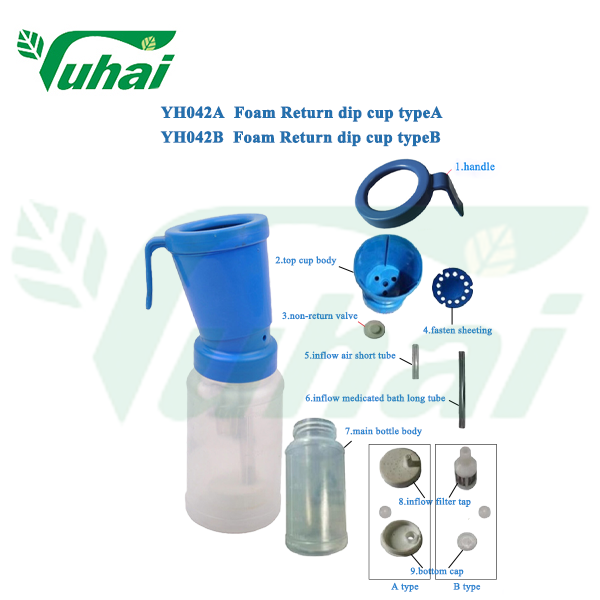
The concentration and contact time of disinfectant solutions determine their efficacy. A properly designed dip cup ensures that each teat receives adequate coverage with fresh disinfectant, avoiding dilution from milk residues or environmental contaminants. The cup design influences how solution adheres to teat surfaces and whether complete coverage extends from teat base to tip. Non-return valve systems prevent backflow contamination, ensuring that each application delivers uncontaminated disinfectant. This mechanical reliability combined with appropriate chemical formulation creates the dual-action protection necessary for effective mastitis control in commercial dairy operations.
Economic Consequences of Inadequate Teat Disinfection
Direct Costs Associated with Clinical Mastitis
Clinical mastitis episodes impose immediate financial burdens on dairy operations through multiple cost channels. Veterinary treatment expenses include diagnostic procedures, antibiotic therapy, and follow-up examinations, often ranging from fifty to three hundred dollars per case depending on severity and duration. Discarded milk during treatment and withdrawal periods represents lost revenue, with moderate cases requiring three to seven days of milk withholding. Labor requirements increase substantially as infected cows need individual attention, separate milking protocols, and careful monitoring. Severe cases may require supportive therapy including intravenous fluids, anti-inflammatory medications, and intensive nursing care, escalating costs significantly. These direct expenses accumulate rapidly when mastitis control programs prove inadequate, making prevention through regular dip cup usage far more cost-effective than treating established infections.
Production losses extend well beyond the acute infection period. Cows experiencing clinical mastitis typically show permanent milk production reductions averaging five to fifteen percent for the remainder of that lactation, representing substantial lost revenue over time. Mammary tissue damage from severe infections causes irreversible changes in secretory cell populations, compromising future lactation potential. Reproductive performance suffers as infected cows experience delayed estrus, reduced conception rates, and increased embryonic mortality, extending calving intervals and reducing lifetime productivity. Premature culling decisions become necessary when chronic or recurrent infections fail to respond to treatment, eliminating valuable genetics from the herd and forcing costly replacement animal purchases. These cascading economic impacts underscore why consistent preventive measures using dip cup protocols deliver superior returns compared to reactive treatment approaches.
Subclinical Mastitis and Hidden Productivity Drains
Subclinical mastitis infections operate silently within herds, causing economic damage without obvious clinical signs. Elevated somatic cell counts indicate inflammatory responses to bacterial presence, even when milk appears normal and cows show no behavioral changes. These hidden infections reduce milk production by three to five percent per affected quarter, aggregate losses that significantly impact overall herd output. Milk composition changes associated with subclinical mastitis include reduced lactose content, altered protein profiles, and increased enzymatic activity, all factors that negatively affect cheese yield, shelf life, and manufacturing quality. Processors increasingly penalize high somatic cell count milk through pricing adjustments and quality premiums, directly linking udder health to revenue realization. Regular dip cup application maintains low infection pressure, keeping bulk tank somatic cell counts well below penalty thresholds and maximizing milk check values.
The cumulative effect of subclinical infections across a herd creates substantial opportunity costs. Research consistently demonstrates that herds maintaining bulk tank somatic cell counts below two hundred thousand cells per milliliter through effective mastitis control programs produce five to ten percent more milk annually compared to herds with counts exceeding three hundred thousand. This production difference translates directly to profitability, especially given that feed costs and fixed expenses remain relatively constant regardless of output levels. Furthermore, low somatic cell count herds qualify for quality premiums, organic certification programs, and preferred supplier status with premium processors. The economic advantages of maintaining excellent udder health through consistent dip cup usage compound over time, creating competitive advantages that strengthen farm financial resilience and long-term sustainability.
Operational Implementation of Dip Cup Protocols
Integration Within Milking Parlor Workflow
Effective dip cup usage requires seamless integration into standardized milking procedures to ensure consistency across all employees and every milking session. The optimal timing for post-milking teat disinfection occurs immediately after unit removal, capitalizing on the brief window when teat canals remain dilated and bacterial contamination risk peaks. Parlor design influences implementation efficiency, with dip cup stations positioned for ergonomic access at the point where cows complete milking and before they exit the platform. Training protocols must emphasize proper technique, ensuring that each teat receives full coverage from base to tip, with sufficient solution volume to coat all surfaces thoroughly. Standardized procedures eliminate variability that compromises protection effectiveness, making dip cup application a non-negotiable step in the milking routine rather than an optional practice subject to time pressures or labor shortcuts.
Labor efficiency considerations often influence compliance with dipping protocols, particularly during peak workload periods or when staffing constraints create time pressures. Modern dip cup designs address these practical concerns through features that accelerate application without sacrificing thoroughness. Ergonomic handles reduce operator fatigue during high-volume milking sessions, while appropriate cup depth prevents spillage and solution waste. Clear visual confirmation that adequate solution remains in the cup helps staff maintain consistent technique throughout the milking shift. Some operations implement automated dipping systems that ensure every cow receives standardized treatment regardless of labor availability or skill variations, though manual dip cup application remains the gold standard for many producers who value direct observation and individual cow assessment opportunities inherent in hands-on protocols.
Solution Selection and Maintenance Protocols
The chemical composition of teat disinfectant solutions significantly influences their effectiveness, requiring careful selection based on herd-specific conditions, environmental factors, and regulatory compliance requirements. Iodine-based solutions remain popular due to broad-spectrum antimicrobial activity, visual confirmation of coverage through characteristic brown coloration, and established efficacy data. Chlorhexidine formulations offer excellent residual activity and skin conditioning properties, particularly valuable in cold climates where teat condition challenges arise. Barrier dips containing film-forming polymers provide extended protection between milkings, especially beneficial for herds with longer milking intervals or challenging environmental conditions. The choice of disinfectant should align with specific mastitis pathogen profiles identified through milk culture programs, as different chemical agents show varying efficacy against specific bacterial species. Regular evaluation of bulk tank somatic cell count trends and individual cow mastitis incidence helps determine whether current dip cup solutions deliver optimal protection or require reformulation.
Maintaining disinfectant solution integrity throughout each milking session requires attention to contamination prevention and proper dip cup hygiene. Milk residues, organic debris, and environmental contaminants rapidly degrade solution effectiveness when allowed to accumulate in dip cups between applications. Non-return valve designs prevent backflow contamination that occurs when teats contact solution in the cup, maintaining chemical potency across multiple applications. However, cups still require thorough cleaning between milking shifts to remove accumulated residues and prevent biofilm formation. Fresh solution should be prepared according to manufacturer dilution specifications, with careful attention to water quality factors that influence chemical stability. Hard water, pH extremes, and temperature variations all affect disinfectant performance, making water testing and appropriate solution preparation critical components of effective dip cup protocols. These maintenance practices ensure that each application delivers full antimicrobial potency rather than diluted, contaminated, or chemically degraded products.
Long-Term Herd Health Implications
Cumulative Protection Through Consistent Application
The true value of regular dip cup usage emerges through sustained implementation over multiple lactations and across entire herd populations. Individual applications provide immediate protection for specific milking sessions, but cumulative effects build over time to create dramatically improved herd health profiles. Herds maintaining rigorous teat disinfection protocols for multiple years typically achieve bulk tank somatic cell counts consistently below one hundred fifty thousand cells per milliliter, levels associated with premium milk quality and minimal infection pressure. This sustained low infection environment reduces pathogen reservoirs within the herd, breaking transmission cycles that perpetuate chronic mastitis problems. New infections occur less frequently, existing infections resolve more successfully, and overall herd immunity improves as animals spend less physiological energy combating udder infections. The result is a self-reinforcing positive cycle where consistent dip cup usage creates progressively healthier herds that require less intensive intervention over time.
Generational benefits extend beyond immediate disease prevention to influence genetic selection potential and herd improvement rates. Cows maintained in low infection environments throughout their productive lives achieve their full genetic potential for milk production, longevity, and reproductive efficiency. This allows more accurate identification of superior genetics and more effective selection pressure toward desired traits. Conversely, herds with endemic mastitis problems struggle to differentiate genetic merit from health status, complicating breeding decisions and slowing genetic progress. Daughters of high-producing cows in well-managed herds with rigorous dip cup protocols tend to exceed their dams' performance, while daughters in high-infection environments often underperform due to compromised immune function and reduced mammary development. Over time, this differential accumulates into substantial herd quality advantages that compound the economic returns from consistent preventive health programs.
Antibiotic Stewardship and Regulatory Compliance
Increasing public concern regarding antibiotic resistance and drug residues in food supplies has intensified regulatory scrutiny of dairy farm antibiotic usage patterns. Preventive health measures that reduce infection incidence directly decrease antibiotic treatment requirements, positioning operations favorably within evolving regulatory frameworks and consumer expectations. Regular dip cup application represents a cornerstone of responsible antibiotic stewardship, preventing infections that would otherwise require therapeutic intervention. Herds maintaining low mastitis incidence through effective prevention programs typically use fifty to seventy percent less antibiotics compared to operations relying primarily on treatment approaches. This reduction addresses both regulatory compliance requirements and market access considerations, as retailers and processors increasingly demand verification of responsible antibiotic use from their suppliers.
Documentation of preventive health protocols including dip cup usage has become essential for quality assurance program participation, organic certification, and export market access. Third-party auditors increasingly scrutinize udder health management practices during farm assessments, evaluating both protocol design and implementation consistency. Operations demonstrating rigorous preventive measures supported by objective somatic cell count data and treatment records gain preferential access to premium markets and value-added programs. The competitive advantage extends beyond immediate pricing benefits to include enhanced market stability, stronger processor relationships, and improved consumer perception. As dairy industry sustainability initiatives expand, farms implementing comprehensive mastitis prevention programs anchored by consistent dip cup protocols position themselves as industry leaders in animal welfare, food safety, and environmental stewardship, all factors that increasingly influence market success and long-term viability.
Practical Considerations for Optimal Effectiveness
Environmental Factors Influencing Protection Requirements
The intensity and consistency of dip cup application protocols must adapt to environmental challenges that influence infection pressure and teat health status. Seasonal variations in temperature, humidity, and housing conditions substantially impact bacterial survival rates and transmission dynamics. Winter conditions with increased confinement, reduced ventilation, and higher bedding moisture create elevated pathogen loads requiring more aggressive disinfection approaches. Summer heat stress compromises immune function while promoting bacterial proliferation, similarly increasing infection risk. Operations must adjust dip cup protocols seasonally, potentially incorporating pre-milking disinfection during high-risk periods or selecting disinfectant formulations optimized for prevailing environmental conditions. Understanding these environmental influences allows producers to implement risk-proportionate prevention strategies rather than static protocols that may underprotect during challenging periods.
Housing system design profoundly affects the magnitude of environmental pathogen exposure between milking sessions. Cows housed in well-maintained freestall facilities with effective ventilation, regular bedding replacement, and proper drainage typically face lower infection pressure compared to animals in older tie-stall barns or heavily used bedded packs. However, even optimal housing conditions cannot eliminate pathogen presence entirely, making consistent dip cup usage essential regardless of facility quality. The specific bacterial species prevalent in different housing environments may respond differently to various disinfectant chemistries, suggesting that operations should tailor solution selection to their particular pathogen profiles. Regular environmental sampling and bacterial identification help refine preventive strategies, ensuring that dip cup solutions target the specific organisms most likely to cause infections within each unique production environment.
Staff Training and Quality Assurance Monitoring
Human factors significantly influence dip cup protocol effectiveness, as technique consistency and attention to detail determine whether theoretical protection translates into practical infection prevention. Comprehensive staff training programs must address not only proper application mechanics but also the underlying rationale for rigorous compliance. When employees understand how dip cup usage prevents costly infections and protects herd health, they become active participants in quality assurance rather than passive followers of arbitrary rules. Training should include hands-on demonstration, technique observation with constructive feedback, and regular competency assessments. Visual aids illustrating proper coverage patterns, solution depth requirements, and common application errors help reinforce correct procedures. Multilingual training materials accommodate diverse workforces, ensuring that language barriers do not compromise protocol understanding or implementation quality.
Ongoing monitoring systems provide objective verification that protocols remain consistently implemented across all shifts and personnel. Random observation audits assess whether actual practice matches written procedures, identifying training gaps or protocol deviations requiring corrective action. Somatic cell count monitoring at both bulk tank and individual cow levels offers outcome-based feedback on overall program effectiveness, with trending analysis revealing whether performance deteriorates over time despite apparently consistent practices. Some operations implement checklist systems or digital monitoring tools that document completion of critical control points including post-milking dip cup application, creating verifiable records that support quality assurance objectives and regulatory compliance requirements. These monitoring approaches transform dip cup usage from an assumed practice into a verified control measure with documented evidence of consistent implementation and measurable effectiveness.
FAQ
How often should dip cup solutions be replaced during milking?
Dip cup solutions should be replaced between each group of cows or at minimum every two hours during continuous milking to maintain chemical potency and prevent contamination accumulation. Solutions become diluted with milk residues and compromised by organic debris over time, reducing antimicrobial effectiveness. Operations using non-return valve dip cups can extend replacement intervals slightly compared to traditional open cups, but fresh solution preparation remains essential for optimal pathogen control. Complete cup cleaning between solution changes prevents biofilm development and ensures maximum disinfectant contact with teat surfaces.
Can pre-milking teat disinfection replace post-milking dip cup usage?
Pre-milking teat disinfection serves a different purpose than post-milking application and cannot substitute for it in comprehensive mastitis control programs. Pre-milking sanitization reduces bacterial contamination that might enter milk during harvest, improving milk quality and reducing milking equipment contamination. However, post-milking dip cup application addresses the critical vulnerability period after teat canal dilation when infection risk peaks. Effective mastitis prevention requires both practices in complementary roles, with post-milking disinfection remaining the essential component for preventing new intramammary infections while pre-milking procedures support milk quality objectives.
What dip cup design features most significantly impact effectiveness?
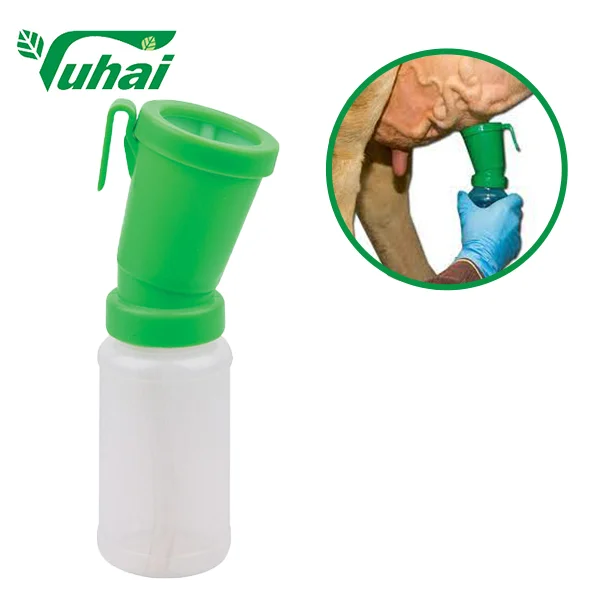
The most critical dip cup design features include appropriate capacity ensuring complete teat immersion, non-return valves preventing solution contamination, ergonomic handles reducing operator fatigue, and transparent construction allowing visual solution level monitoring. Cup depth should accommodate the largest teats in the herd while maintaining sufficient solution volume for consistent coverage. Non-return mechanisms dramatically improve solution integrity across multiple applications by preventing backflow when teats contact the liquid. Durable materials that withstand repeated cleaning and chemical exposure ensure long service life, while designs that facilitate thorough cleaning between uses prevent bacterial biofilm accumulation that compromises disinfectant efficacy.
How do weather conditions affect dip cup protocol requirements?
Extreme weather conditions require protocol adjustments to maintain effective teat protection while preventing secondary complications. During freezing temperatures, disinfectant formulations containing glycerin or other skin conditioners prevent teat chapping and frostbite risk while maintaining antimicrobial activity. Allowing brief drainage time before cows exit into cold environments reduces freezing potential without compromising protection, as the critical antimicrobial action occurs within the first thirty seconds of contact. Hot, humid conditions may require more frequent dip cup solution replacement as elevated temperatures accelerate chemical degradation and bacterial proliferation in contaminated solutions. Seasonal formulation changes optimizing for prevailing conditions help maintain consistent protection year-round despite environmental challenges that influence both teat health and pathogen survival dynamics.