
 EN
EN



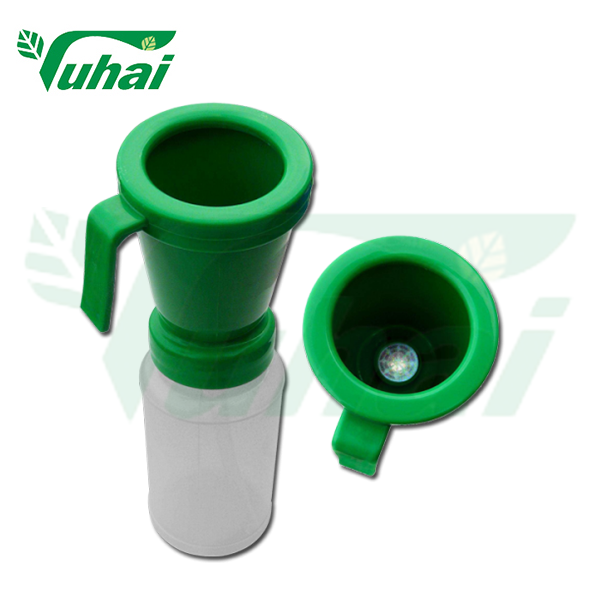
In modern dairy farming, the tools used during teat preparation and post-milking routines carry more weight than many producers realize. The dip cup is one such tool — seemingly simple, yet directly tied to how well teat skin is conditioned, how effectively pathogens are controlled, and how comfortable the cow remains throughout the milking process. Choosing the right design is not a minor operational detail; it is a decision that shapes udder health outcomes across an entire herd.
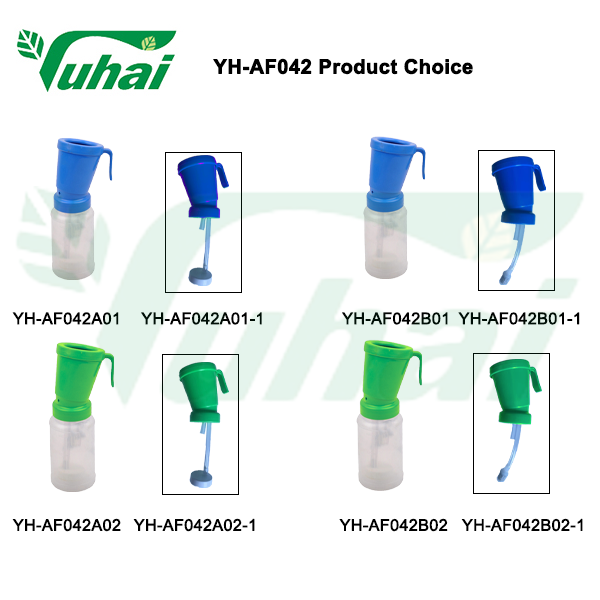
Different dip cup designs interact with the teat canal, teat skin, and the dipping solution in distinct ways. Some designs allow backflow contamination, others create uneven solution coverage, and still others place unnecessary mechanical stress on sensitive teat tissue. Understanding how design variables — from cup geometry to valve mechanisms to material composition — affect both cow comfort and udder health gives dairy managers the insight needed to make better equipment decisions and reduce mastitis risk across their operations.
The Role of the Dip Cup in Teat Health Management
Why Teat Dipping Matters in the Milking Routine
Teat dipping is a cornerstone of mastitis prevention in commercial dairy operations. After each milking, the teat canal remains open for a period of time, creating a window during which environmental pathogens can enter and establish infection. Applying a teat dip solution immediately after milking helps close this vulnerability by killing surface bacteria and conditioning the teat skin to maintain its natural barrier function.
The dip cup is the delivery mechanism for this critical step. Its design determines how thoroughly the solution coats the teat, how much solution is wasted or contaminated, and how the cow responds physically to the application. A poorly designed dip cup can undermine even the most effective dipping solution by delivering inconsistent coverage or causing the cow to react negatively to the application process.
Consistency is key in teat dipping. When the dip cup delivers a reliable, full-coverage application every time, the protective benefits of the dipping solution are maximized. When design flaws introduce variability — whether through uneven solution distribution or operator difficulty — the routine loses effectiveness and udder health suffers over time.
How the Dip Cup Connects to Mastitis Risk
Mastitis remains one of the most economically damaging conditions in dairy production. While many factors contribute to mastitis incidence, the quality and consistency of teat dipping plays a measurable role. A dip cup that allows contaminated solution to re-enter the cup reservoir introduces pathogens directly into the dipping process, effectively spreading bacteria from cow to cow rather than eliminating them.
Non-return valve designs address this specific risk by preventing backflow of used solution into the main reservoir. This design feature is not cosmetic — it is a functional safeguard that directly reduces cross-contamination risk during high-throughput milking sessions. Farms that switch from open-reservoir dip cup designs to non-return valve models often observe measurable reductions in environmental mastitis cases over subsequent lactation cycles.
Beyond contamination control, the dip cup design also affects how much solution actually contacts the teat surface. Shallow cup geometries may leave the upper teat and teat base inadequately covered, while overly deep cups may trap solution and create prolonged wet contact that softens teat skin excessively. Both extremes compromise the protective outcome that teat dipping is meant to achieve.
Cup Geometry and Its Effect on Teat Coverage
How Cup Shape Determines Solution Distribution
The internal geometry of a dip cup — its depth, diameter, and the shape of its opening — directly controls how solution contacts the teat during application. A well-proportioned cup creates a seal around the teat that allows solution to rise evenly and coat the entire teat surface, including the teat end where the canal opening is most vulnerable to pathogen entry.
Cups with too wide an opening relative to teat diameter allow solution to spill before adequate contact is made. Cups that are too narrow may create pressure points on the teat skin, causing discomfort and prompting the cow to step or kick during application. The ideal geometry accommodates natural variation in teat size across a herd while still maintaining enough contact to deliver consistent solution coverage.
Some dip cup designs incorporate a slightly tapered interior that guides the teat into a centered position within the cup. This centering effect improves coverage uniformity and reduces the likelihood of partial application. For herds with significant variation in teat length and diameter, this design feature can meaningfully improve the reliability of the dipping routine.
Volume Capacity and Solution Efficiency
The volume capacity of a dip cup affects both solution efficiency and the practical ease of the milking routine. A cup with insufficient capacity requires more frequent refilling, slowing the milking process and increasing the risk of inconsistent application during busy milking sessions. A cup with excessive capacity may encourage overfilling, leading to solution waste and potential spillage onto the udder or milking equipment.
A 300ml capacity, as found in purpose-designed cattle teat dip cups, strikes a practical balance for most commercial milking routines. This volume supports multiple applications per fill while keeping the cup manageable in weight and easy to handle during rapid cow-to-cow movement. The relationship between volume and application consistency is often overlooked, but it has a direct bearing on how reliably the dipping routine is executed across a full milking shift.
Solution concentration is also affected by cup design. Cups that allow backflow dilute the active solution with residual material from the teat surface, reducing the effective concentration of the dip over time. Non-return valve designs preserve solution integrity throughout the milking session, ensuring that the last cow in the milking string receives the same concentration of active ingredients as the first.
Material Composition and Cow Comfort
How Material Choice Affects Teat Skin Interaction
The material from which a dip cup is constructed affects both its durability and its interaction with teat tissue. Rigid materials with sharp internal edges or rough surface finishes can abrade teat skin during application, particularly when the cup is pressed firmly against the teat. Over repeated milkings, this mechanical irritation accumulates and can compromise the integrity of the teat skin barrier.
Polypropylene (PP) plastic has become a widely used material for dip cup construction due to its combination of structural rigidity, smooth surface finish, and chemical resistance. PP does not react with common teat dip formulations, including iodine-based and chlorhexidine-based solutions, which means the cup material itself does not degrade the active ingredients or introduce contaminants into the solution.
The smooth interior surface of a well-manufactured PP dip cup also supports thorough cleaning between milking sessions. Residue buildup inside the cup can harbor bacteria and reduce the effectiveness of the dipping solution. A material that resists staining and allows complete rinsing contributes to better hygiene management across the milking routine.
Eco-Friendly Material Considerations in Modern Dairy Operations
Sustainability considerations are increasingly influencing equipment purchasing decisions in commercial dairy operations. Eco-friendly PP plastic formulations offer the same functional performance as conventional plastics while reducing the environmental footprint of the product over its lifecycle. For operations working toward sustainability certifications or simply seeking to reduce waste, material choice in equipment like the dip cup becomes part of a broader operational strategy.
Durability is closely linked to sustainability. A dip cup constructed from high-quality PP plastic resists cracking, warping, and discoloration under the chemical exposure and physical handling typical of daily milking routines. Longer service life means fewer replacements, less material waste, and lower per-cow cost over time. This durability also supports consistent performance — a cup that maintains its shape and valve function over hundreds of milking sessions delivers more reliable results than one that degrades quickly.
When evaluating dip cup options, the combination of material quality, valve design, and cup geometry should be assessed together rather than in isolation. A cup made from premium material but with a flawed valve mechanism will still allow contamination. A well-designed valve in a poorly shaped cup will still deliver inconsistent coverage. The best outcomes come from designs where all functional elements work together coherently.
Non-Return Valve Design and Contamination Prevention
How Non-Return Valves Work in Practice
The non-return valve is one of the most functionally significant design features in a modern dip cup. Its purpose is straightforward: to allow solution to flow from the reservoir into the cup chamber during application while preventing any backflow of used solution into the main reservoir. This one-directional flow control is what separates hygienic dip cup designs from those that accumulate contamination over the course of a milking session.
In practice, the valve operates passively — it opens under the slight pressure created when the cup is squeezed or tilted during application and closes automatically when that pressure is released. This mechanism requires no active management from the milking operator, which means it functions consistently regardless of operator technique or experience level. The reliability of passive valve operation is a significant advantage in high-throughput milking environments where speed and consistency must coexist.
The durability of the valve mechanism is also worth considering. Valves that are integrated into the cup body using robust construction methods maintain their sealing function over extended use. Valves that rely on thin membranes or loosely fitted components may degrade with repeated chemical exposure and physical handling, eventually allowing backflow even in cups originally designed to prevent it. Evaluating valve construction quality is an important step when selecting a dip cup for long-term use.
Impact on Herd-Level Udder Health Outcomes
The herd-level impact of consistent non-return valve function becomes apparent when mastitis incidence data is tracked over time. Operations that use contamination-preventing dip cup designs as part of a disciplined teat dipping protocol tend to show lower rates of new intramammary infections, particularly those caused by environmental pathogens such as Streptococcus uberis and coliforms. While the dip cup is one element of a broader mastitis control program, its role in preventing cross-contamination during the dipping step is not trivial.
Cow comfort also benefits indirectly from effective contamination control. Cows that experience fewer mastitis events are less likely to develop teat end hyperkeratosis, teat canal scarring, or chronic udder inflammation — all of which affect milking behavior and willingness to enter the milking parlor. A dip cup design that supports udder health contributes to a calmer, more cooperative herd over time.
From a management perspective, the non-return valve design also simplifies solution management. Because the reservoir solution remains uncontaminated throughout the milking session, operators do not need to change solution mid-session or discard partially used cups. This reduces solution waste, lowers operating costs, and removes a potential source of inconsistency from the dipping routine.
Practical Selection Criteria for Dairy Operations
Matching Dip Cup Design to Herd Size and Milking System
Selecting the right dip cup for a specific dairy operation requires matching design features to the practical demands of that operation. Herd size, milking frequency, parlor configuration, and operator staffing levels all influence which design characteristics matter most. A small family-operated dairy with a simple milking setup has different priorities than a large commercial operation running multiple milking shifts per day.
For high-throughput operations, the combination of adequate volume capacity, reliable non-return valve function, and ergonomic handling design is particularly important. Operators moving quickly through a large milking string need a dip cup that is easy to grip, easy to apply consistently, and easy to refill without interrupting the milking flow. Cup weight, handle design, and refill mechanism all contribute to operational efficiency in these environments.
For smaller operations where individual cow attention is more feasible, cup geometry and solution coverage quality may take priority. Ensuring that each cow receives thorough teat coverage — including the teat base and teat end — is easier to monitor and adjust in smaller herds, making it worthwhile to invest in a dip cup design optimized for coverage precision rather than pure throughput speed.
Hygiene Maintenance and Long-Term Performance
Even the best-designed dip cup will underperform if hygiene maintenance is neglected. Regular cleaning of the cup interior, valve mechanism, and reservoir is essential to prevent biofilm formation and solution contamination between milking sessions. Designs that allow complete disassembly for thorough cleaning offer a practical advantage over sealed designs that cannot be fully accessed.
PP plastic construction supports effective cleaning because it resists chemical degradation from the cleaning agents commonly used in dairy hygiene protocols. The material does not absorb solution residues or harbor bacteria in surface pores, which means a properly cleaned PP dip cup can be returned to service with confidence in its hygiene status. This material characteristic is particularly valuable in operations where cleaning time is limited between milking sessions.
Establishing a clear replacement schedule for dip cups is also part of responsible udder health management. Even durable PP cups will eventually show wear in the valve mechanism or cup body that compromises their function. Tracking cup age and condition as part of routine equipment audits ensures that worn cups are replaced before they begin to affect dipping consistency and udder health outcomes.
FAQ
What makes a non-return dip cup better for udder health than a standard open cup?
A non-return dip cup prevents used solution from flowing back into the reservoir, which stops the accumulation of bacteria and contaminants in the dipping solution over the course of a milking session. Standard open cups allow backflow, which means the solution becomes progressively more contaminated as milking proceeds. This contamination can transfer pathogens from one cow's teat to another, increasing mastitis risk across the herd. The non-return valve design eliminates this cross-contamination pathway, making it a more hygienic choice for consistent udder health management.
How does dip cup material affect the performance of teat dip solutions?
The material of a dip cup must be chemically compatible with the teat dip solution being used. PP plastic is resistant to the active ingredients in most common teat dip formulations, including iodine and chlorhexidine, which means it does not degrade the solution or introduce reactive compounds. Materials that are not chemically resistant may leach compounds into the solution or break down over time, compromising both solution effectiveness and cup longevity. Choosing a chemically compatible material ensures that the dip cup supports rather than undermines the performance of the dipping solution.
How often should a dip cup be replaced in a commercial dairy operation?
Replacement frequency depends on usage intensity, cleaning practices, and the quality of the cup's construction. In high-throughput operations, dip cups should be inspected regularly for signs of valve wear, cracking, or discoloration that may indicate material degradation. As a general guideline, cups showing any compromise in valve function or structural integrity should be replaced immediately, regardless of age. Operations with rigorous cleaning protocols and high-quality PP construction may find that cups remain serviceable for extended periods, but routine audits are still recommended to catch wear before it affects udder health outcomes.
Can dip cup design affect how cows behave during the milking routine?
Yes, cup design has a direct influence on cow behavior during application. Cups with poorly proportioned geometry that create pressure points on teat tissue, or cups with rough interior surfaces that cause friction, can prompt cows to step, kick, or become restless during the dipping step. Over time, negative associations with the dipping process can affect how willingly cows enter the milking parlor. A well-designed dip cup that applies solution gently and consistently, without mechanical irritation, supports a calmer milking routine and contributes to better overall cow comfort and cooperation.