
 EN
EN



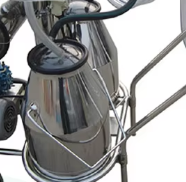
Matching Calf Bottle Size to Age, Weight, and Feeding Volume
Why mismatched calf bottle size causes underfeeding, stress, or inconsistent intake
When calf bottles are too small, they limit how much milk replacer calves can actually drink, which means they end up getting fewer calories than needed for proper growth. Studies from 2022 found this problem contributed to around one quarter of all weight gain issues seen during nutritional checks. On the flip side, when containers are way too big, there's about a 40% higher chance of spills happening, plus it messes with their normal eating patterns. Calves start showing stress behaviors such as rolling their tongues repeatedly because something just doesn't feel right. Getting the bottle size wrong also affects how well the esophageal groove works in their throat area, making them absorb nutrients less efficiently overall. Finding the right sized bottle matters a lot since it matches what calves naturally do when they nurse for roughly 8 to 10 minutes straight. Properly sized bottles help ensure regular feeding habits, keep metabolism working smoothly, and support better health outcomes across the board.
Guidelines: Selecting optimal calf bottle capacity (1â4 qt) by age, body weight, and daily milk replacer volume
Match bottle capacity to physiological needs using these evidence-backed parameters:
| Calf Age | Target Body Weight | Daily Milk Replacer | Bottle Capacity |
|---|---|---|---|
| 0â3 weeks | 90â150 lbs | 1.5â2.5 quarts | 2-quart bottle |
| 4â6 weeks | 150â220 lbs | 3â4 quarts | 4-quart bottle |
Select larger-capacity bottles only when weights exceed breed averages by 10%. Always verify nipple flow compatibilityâhigh-volume bottles require faster-flow teats to maintain â¤10-minute feeding windows. For transitional phases (3â4 weeks), dual-flow nipples allow seamless adaptation from colostrum to milk replacer without equipment changes.
Selecting the Best Nipple for Suckling Efficiency and Calf Development
How nipple flow rate, length, and orifice size affect suckling effort and nutrient intake
The flow rate has a big impact on how fast milk gets delivered to calves and how much work they need to do. Slow flow nipples, which are about 20 to 30 percent slower than regular ones, actually help build stronger jaw muscles and boost saliva production, which is great for digestion overall. On the flip side, those fast flow options can lead to problems like aspiration and make it harder for calves to absorb nutrients properly. When it comes to nipple length, getting the right fit matters a lot. If the nipple is too short, calves tend to roll their tongues instead of sucking normally. But go too long and it just causes them to gag. The size of the opening at the tip controls how much milk flows in. Smaller holes are safer for baby calves since they reduce the chance of choking. Older animals generally handle bigger openings better, though farmers sometimes notice that these larger orifices can lead to gulping when not matched correctly to the animal's needs. Getting all these factors right means calves should be able to eat around 10 to 12 percent of their body weight each day without putting too much stress on their metabolism.
Silicone vs. rubber nipples: Balancing durability, hygiene, and natural suckling stimulation per USDA and FDA guidance
Silicone nipples stand out for their amazing ability to resist chemicals and handle heat really well. They can go through over 500 autoclave cycles without breaking down and meet all those USDA sanitation requirements too. Plus, they cut down on bacteria growth by about 40% when compared to rubber because they're not as porous and don't hold onto odors so easily. On the flip side, rubber nipples actually feel more like a real dam's teat, which helps baby animals develop their natural sucking habits important for proper digestion. Both types are made without harmful stuff like BPA or phthalates according to FDA standards. But here's the catch: rubber tends to wear out faster and needs replacing roughly every two to three weeks. For farms running at full capacity though, most operators find that even though silicone costs more initially, it pays off in the long run since these nipples last much longer between replacements.
Practical Calf Bottle Selection Framework: Tools, Tests, and Integration
Dual-flow nipples: Supporting colostrum and milk replacer phases in one calf bottle system
Dual flow nipples make feeding newborn calves much easier since they work with both thick colostrum that has at least 50 grams of IgG per liter and the thinner milk replacer formulas that contain around 12 to 15 percent solids all in one bottle setup. Most models come with an adjustable collar that lets farmers change how big the hole is depending on what kind of liquid needs to flow through. When the opening is wider, it makes it easier for little calves to suck during those very important first feedings. But when we need to switch to regular milk replacer, narrowing the opening actually helps train the calf's tongue movements and swallowing reflexes naturally. The design follows guidelines set by USDA and FDA for proper calf nutrition, plus it gets rid of problems where different bottles might mix up things accidentally. Farmers have also seen their equipment expenses drop about 30 percent according to recent efficiency checks across dairy farms in 2023.
The 3-step calf bottle verification checklist: Flow test, bite resistance assessment, and cleaning compatibility
Use this field-tested protocol to validate calf bottle safety and functionality:
- Flow test: Submerge nipple in 102°F water; ideal milk replacer flow is 1â1.2 quarts/minute. Colostrum should achieve 0.8 quarts/minute without dripping when inverted.
- Bite resistance: Compress nipple between fingersâFDA-compliant silicones rebound fully after 500N pressure, unlike rubber, which shows permanent deformation at 300N.
- Cleaning compatibility: Verify dishwasher-safe (â¥158°F) or chemical-sanitizing compatibility; inspect for residue in crevices after 10 cleaning cycles. Farms implementing this checklist report 22% fewer scours cases linked to contaminated feeding equipment (Journal of Dairy Science, 2023).
FAQ
Why is bottle size important for calf feeding?
Bottle size is crucial as it impacts how much milk replacer calves can drink. Proper bottle size ensures optimal nutrient intake and supports healthy growth, while incorrect sizes can lead to underfeeding or stress behaviors.
What size bottle should I use for calves of different ages?
For calves aged 0-3 weeks, use a 2-quart bottle. For those aged 4-6 weeks, a 4-quart bottle works best, as it matches their increased body weight and daily milk replacer volume.
How does nipple type affect calf feeding efficiency?
The flow rate, length, and orifice size of the nipple influence milk delivery speed and calf suckling effort. Choosing the right nipple ensures effective nutrient intake and supports calf development.