
 EN
EN



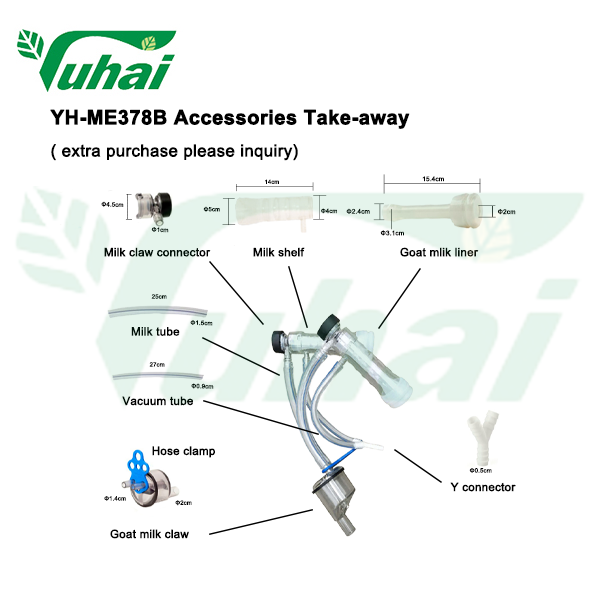
Selecting the right portable milking machine is one of the most critical investment decisions for small and medium farm operations. A portable milking machine directly impacts milk quality, labor efficiency, and overall farm productivity. The wrong choice can lead to equipment breakdowns, inconsistent milk output, and unnecessary operational costs. This guide walks you through the essential factors to evaluate when choosing a portable milking machine that aligns with your farm's specific needs and growth trajectory.
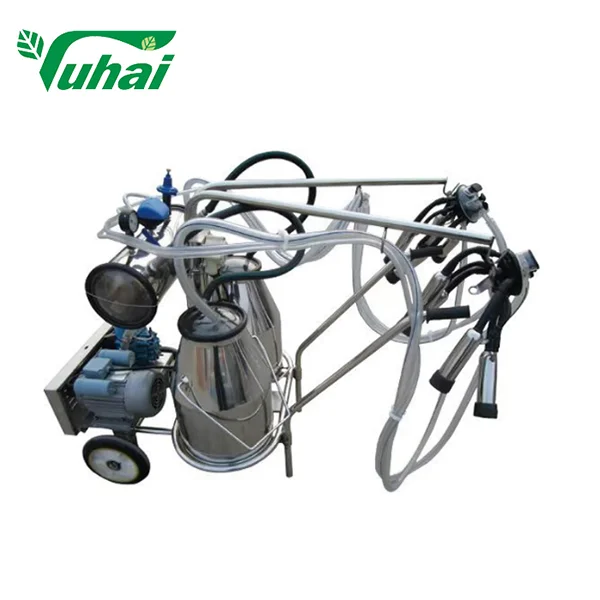
A portable milking machine must balance capacity, reliability, ease of maintenance, and cost-effectiveness. Farms of different sizes face unique constraints: labor availability, animal count, facility layout, and budget limitations all influence which portable milking machine model will perform best in your operation. Understanding these variables upfront prevents costly mistakes and ensures your investment delivers measurable returns over five to ten years of use.
Understanding Your Farm's Milking Capacity Needs
Assessing Herd Size and Milking Frequency
The first step in selecting a portable milking machine involves calculating your current and projected herd size. A portable milking machine rated for 10–15 cows per hour differs fundamentally from one designed for 30–40 cows per hour. Small farms with 20–50 dairy animals typically require a lightweight portable milking machine that can be moved between milking locations without requiring permanent infrastructure installation. Medium farms with 50–150 animals benefit from a more robust portable milking machine that maintains consistent performance during back-to-back milking sessions.
Milking frequency also shapes your portable milking machine requirements. Twice-daily milking cycles demand different equipment specifications than three-times-daily schedules. A portable milking machine must complete each milking cycle within a predictable timeframe while maintaining vacuum consistency and teat health. When evaluating a portable milking machine, calculate the total minutes required to milk your entire herd and verify that the machine's specification sheet supports that timeline realistically.
Future Growth and Scalability Considerations
Many farms underestimate growth potential when initially choosing a portable milking machine. A portable milking machine purchased today for 30 animals may become inadequate within three years as your herd expands. Selecting a portable milking machine with modular design or upgrade pathways preserves your investment and delays the need for complete equipment replacement. Some portable milking machine models allow additional milking units to be added without replacing the core pump system, offering significant long-term flexibility.
Technical Specifications and Performance Standards
Vacuum Level, Pulsation Rate, and Milk Quality
Vacuum strength is the primary technical factor differentiating portable milking machine models. Industry standards recommend 50–52 kilopascals (kPa) of vacuum for optimal milk extraction and teat health. A portable milking machine operating below specification risks incomplete milk removal and extended milking times, while excessive vacuum causes teat trauma and tissue damage. When evaluating a portable milking machine, request manufacturer documentation confirming vacuum stability across extended milking sessions and load variations.
Pulsation rate directly influences animal comfort and milk quality during use of any portable milking machine. Standard pulsation cycles operate at 60 pulses per minute, creating the gentle massaging action that mimics natural suckling. A portable milking machine with inconsistent or irregular pulsation can stress animals and reduce milk letdown, undermining the efficiency gains you expect. Verify that your chosen portable milking machine includes an adjustable pulsation control and delivers repeatable performance across different operating conditions.
Power Requirements and Portability Design
A portable milking machine must align with your farm's existing power infrastructure. Electric-powered portable milking machine models require 110V or 220V supply, whereas gasoline or hydraulic variants offer independence from fixed electrical points. For small and medium farms operating in barns with limited infrastructure, battery-powered or fuel-based portable milking machine options provide genuine mobility. Evaluate the weight distribution and handle design of any portable milking machine before purchase, as awkward designs waste labor time and create operator fatigue across multiple daily use cycles.
Durability, Maintenance, and Total Cost of Ownership
Material Quality and Component Longevity
The durability of your portable milking machine directly determines its true cost per year of operation. A portable milking machine constructed with stainless steel components and corrosion-resistant tubing withstands humid barn environments significantly better than models using standard steel or lower-grade plastics. Inspect the pump housing, valve assembly, and pulsator mechanism in any portable milking machine candidate, as these components drive replacement and maintenance expenses over the equipment lifetime. High-quality rubber and silicone tubing in a portable milking machine reduces the risk of contamination and extends service intervals between deep cleaning cycles.
Seals and gaskets represent critical wear points in every portable milking machine. Models offering sealed, replaceable components simplify maintenance and reduce downtime when repairs become necessary. A portable milking machine with easily accessible parts and straightforward design saves both immediate service costs and long-term technician labor. Many farms overlook this factor when comparing initial purchase prices, only to discover that a 'budget' portable milking machine generates disproportionate maintenance costs once deployed in daily operation.
Spare Parts Availability and Technical Support
Before finalizing your portable milking machine purchase, confirm that spare parts are readily available through local suppliers or from the manufacturer directly. A portable milking machine breakdown during peak milking season can disrupt production for days if replacement components must be special-ordered internationally. Request information about warranty coverage, typical repair turnaround times, and the geographic availability of authorized service centers for your chosen portable milking machine. Small and medium farms cannot absorb extended equipment downtime, making support infrastructure a decisive factor in portable milking machine selection.
Total cost of ownership encompasses far more than the initial purchase price of a portable milking machine. Factor in power consumption, replacement tubing and liners, preventive maintenance supplies, and occasional professional servicing when calculating the true annual expense. A portable milking machine priced 15–20% higher at purchase often delivers superior long-term value through reduced operating costs and fewer service interruptions. Develop a five-year cost projection for competing portable milking machine models to make an informed financial decision rather than relying solely on upfront sticker price.
Installation, Training, and Transition Planning
Site Preparation and Setup Requirements
Successful deployment of a portable milking machine begins with proper site preparation. Assess your milking area for adequate water access, drainage capability, and electrical supply before selecting a portable milking machine model. Some portable milking machine designs require specific floor conditions or spatial configurations that may not exist in your current facility. Consult with equipment specialists about any necessary infrastructure modifications, such as installing additional electrical outlets or upgrading water pressure systems to support your portable milking machine's optimal performance specifications.
Operator Training and Learning Curve
Every portable milking machine operates according to distinct protocols for attachment, operation, and cleaning. Budget time and resources for comprehensive operator training before your portable milking machine enters full production use. Staff unfamiliar with portable milking machine operation risk equipment damage, animal stress, and inconsistent milk quality. Request demonstration sessions from equipment suppliers and ensure all team members understand proper startup procedures, vacuum monitoring, and emergency shutdown protocols specific to your portable milking machine model before animals are milked for the first time.
FAQ
What size portable milking machine should I choose for my farm?
Calculate your current herd size and daily milking frequency, then select a portable milking machine with capacity 20–30% above your immediate needs to accommodate growth and maintain consistent performance during peak periods. A portable milking machine rated for 50–100 cows typically suits small to medium operations with 20–60 animals, providing adequate headroom for modest expansion. Consult equipment suppliers with knowledge of your specific region and animal types, as environmental factors influence the portable milking machine capacity you'll actually achieve in practice.
How often should I maintain and service a portable milking machine?
Daily cleaning immediately after milking is essential for any portable milking machine, typically requiring 20–30 minutes depending on water temperature and supply pressure. Deep component inspections should occur monthly, while annual professional servicing ensures vacuum pump performance and seal integrity remain within specification for your portable milking machine. Creating a preventive maintenance schedule tailored to your specific portable milking machine model minimizes unexpected failures and extends equipment lifespan substantially compared to reactive repair approaches.
Can I integrate a portable milking machine with existing farm management systems?
Modern portable milking machine models increasingly include data collection features and digital interfaces compatible with farm management software. However, integration varies significantly between portable milking machine brands and models. If data tracking and herd management integration matter to your operation, confirm compatibility before purchasing a portable milking machine. Entry-level portable milking machine options may lack these features entirely, so clarify your priorities regarding monitoring and reporting capabilities when comparing candidates to ensure your portable milking machine selection aligns with your broader farm technology strategy.