
 EN
EN



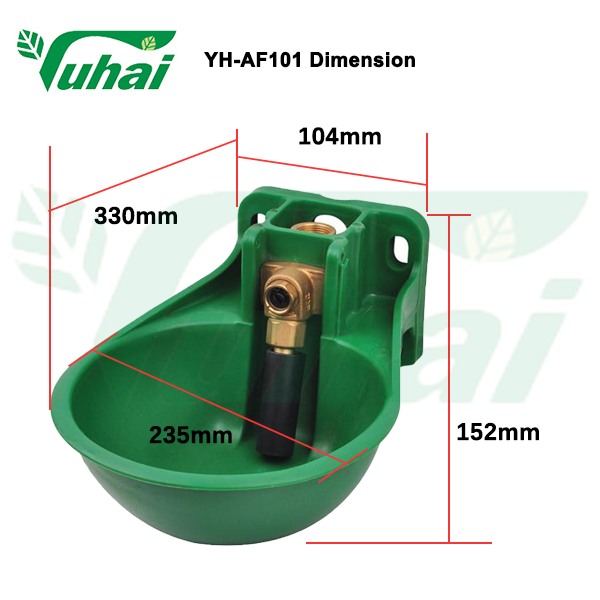
A reliable cattle trough is fundamental to any successful livestock operation. Whether you manage a small family farm or a large commercial herd, ensuring consistent access to clean water through an efficient cattle trough system directly impacts animal health, weight gain, milk production, and overall herd performance. Dehydration in cattle leads to reduced feed intake, lower productivity, and increased susceptibility to illness—problems that a well-designed cattle trough prevents from the start.

Implementing an effective cattle trough system goes beyond simply filling containers with water. Modern cattle trough designs integrate durability, capacity planning, water quality maintenance, and accessibility features that align with herd size and grazing patterns. Understanding how a cattle trough improves hydration outcomes helps you make informed investment decisions that protect your livestock and optimize operational efficiency.
Why Cattle Trough Design Matters for Water Access
Capacity and Herd Size Alignment
The first consideration when selecting a cattle trough is matching its capacity to your herd size and daily consumption patterns. A single cattle trough serving thirty head of cattle requires adequate volume to prevent depletion during peak drinking periods, typically mid-morning and late afternoon. Undersized cattle trough installations force animals to wait excessively for access, creating competition stress and preventing some animals from drinking sufficient water. Properly sized cattle trough units—typically ranging from 50 to 300 gallons depending on herd size—ensure every animal can drink without behavioral conflict or extended wait times.
Material Quality and Longevity
The structural integrity of a cattle trough directly affects its lifespan and maintenance demands. High-quality cattle trough models constructed from galvanized steel, polyethylene, or reinforced concrete resist corrosion, UV degradation, and impact damage from livestock behavior. An inferior cattle trough made from thin materials fails prematurely, requiring costly replacement and leaving your herd temporarily without adequate water infrastructure. Premium cattle trough construction withstands years of use while maintaining smooth internal surfaces that prevent injury and facilitate thorough cleaning.
How Cattle Trough Systems Optimize Hydration Performance
Consistent Water Level Regulation
Modern cattle trough systems incorporate automatic float valves that maintain optimal water levels throughout the day without manual intervention. When a cattle trough equipped with a cattle trough float valve experiences water withdrawal, the valve automatically refills the container to the preset level, ensuring livestock never encounters an empty or severely depleted cattle trough during peak use hours. This automatic regulation eliminates the labor-intensive practice of manual monitoring and reduces water waste from overflow conditions that occur when a cattle trough is filled but unattended.
Temperature Control and Water Quality
Environmental factors significantly influence cattle trough effectiveness. In hot climates, a cattle trough exposed to direct sunlight experiences algae growth and temperature elevation that reduces water palatability and encourages bacterial colonization. Shaded cattle trough installations maintain cooler water temperatures that cattle prefer, increasing consumption during critical production periods. Regular cleaning protocols for a cattle trough—removing sediment, debris, and biofilm—ensure water quality remains high throughout the season. Strategic cattle trough placement near shelter structures or under tree coverage naturally moderates temperature while protecting livestock from extreme weather during drinking episodes.
Practical Implementation of Cattle Trough Systems
Site Selection and Infrastructure Planning
Effective cattle trough placement requires consideration of herd movement patterns, pasture layout, and water source accessibility. A cattle trough positioned along natural herd transit routes—between grazing areas and shelters—encourages regular hydration breaks and reduces cattle traveling excessive distances solely for water access. Multiple cattle trough stations distributed across large pastures prevent herds from concentrating in single locations, which reduces soil compaction and minimizes parasite transmission risk. When installing a cattle trough near drainage areas or low-lying zones, proper elevation prevents contamination from runoff while maintaining herd accessibility during wet seasons.
Maintenance and Seasonal Adaptation
Year-round cattle trough operation requires seasonal adjustments and preventive maintenance schedules. During winter months, heated cattle trough systems or insulated designs prevent freezing that would interrupt water access during cold weather. Spring and fall cattle trough inspections identify structural damage, corrosion, or component wear before they compromise performance. Sediment accumulation inside a cattle trough reduces effective capacity and fosters bacterial growth, necessitating periodic draining and thorough cleaning. Livestock producers who establish disciplined maintenance routines for their cattle trough installations minimize emergency repairs and maximize the longevity of their water infrastructure investment.
FAQ
What size cattle trough should I install for a herd of fifty cattle?
For a herd of fifty cattle, a cattle trough capacity of 100–150 gallons provides adequate volume to accommodate peak drinking demand without becoming depleted. If your cattle trough serves as the sole water source across pasture rotations, consider 200 gallons as optimal to ensure water remains available throughout the day. Seasonal factors, climate temperature, and individual animal water consumption rates may justify larger capacity in hot regions or during lactation periods when a cattle trough experiences higher demand.
How often should I clean my cattle trough?
Regular cattle trough cleaning schedules depend on water quality, environmental conditions, and algae growth rates. In most conditions, a cattle trough requires cleaning every two to four weeks to remove sediment, algae, and biofilm that compromise water quality. During high-temperature seasons when a cattle trough experiences rapid algae proliferation, weekly cleaning may become necessary. Installing a cattle trough with removable sides or drain plugs significantly reduces cleaning labor, making routine maintenance more practical and consistent across seasons.
Can a cattle trough be used for multiple species on the same farm?
Yes, a cattle trough designed for large livestock capacity accommodates horses, sheep, and pigs that share grazing areas or paddocks. However, a dedicated cattle trough for cattle separate from other species prevents cross-contamination of parasites and ensures each animal group receives appropriate water volume. If a cattle trough must serve mixed species, prioritize frequent cleaning and position it to allow simultaneous access from multiple sides, accommodating different heights and drinking behaviors while maintaining water quality for all animals.