The vacuum pump is the undisputed “heart” of modern milking systems. The stable vacuum it generates not only underpins the milking process but also serves as the core factor influencing the entire dairy farm's productivity, animal health, and economic efficiency. Its application extends far beyond simple milking operations, permeating every aspect of modern, high-efficiency dairy farming.
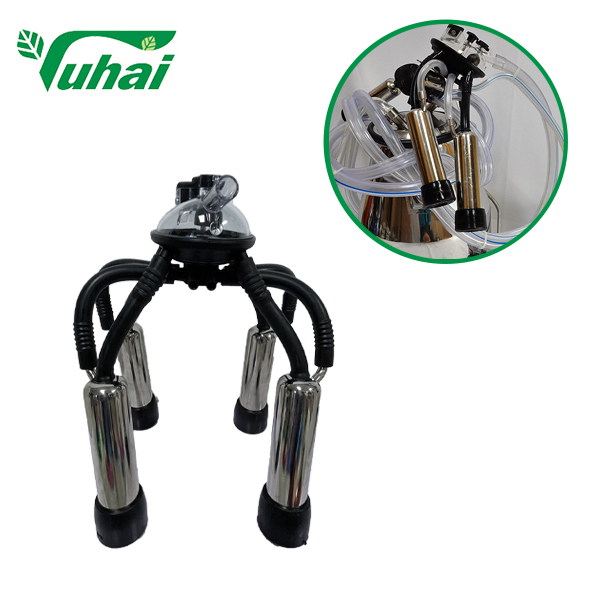
First, in the core milking operation, the vacuum pump's performance directly determines milking efficiency and animal welfare. Whether in rotary or parallel milking parlors used on large farms, or in stall milking systems employed on small to medium-sized operations, vacuum pumps must provide a continuous, stable vacuum source. For dairy cows, smooth vacuum flow translates to faster, more comfortable milking sessions, effectively reducing stress and boosting milk yield. In specialty livestock operations like goat and sheep farming, even higher precision and gentleness in vacuum delivery are required. A high-quality vacuum pump is crucial for ensuring the udder health and high productivity of these sensitive animals.
Second, vacuum pumps play a vital role in safeguarding animal health, particularly in preventing mastitis. Mastitis is one of the primary sources of economic loss on dairy farms, and unstable vacuum is a major risk factor for its development. Vacuum fluctuations can cause the liner inside the teat cup to slip or even reverse flow, potentially pushing bacteria into the teat canal. Therefore, a vacuum pump capable of delivering a pulse as steady as a heartbeat serves as the first line of defense in a farm's mastitis prevention plan. Additionally, the automatic cup removal systems in modern milking machines rely entirely on precise signals from vacuum pumps. These systems gently detach the cups at the end of milking, effectively preventing damage to teats caused by overmilking.
Copyright © YUYAO YUHAI LIVESTOCK MACHINERY TECHNOLOGY CO.,LTD.