For any farmer involved in lamb production, the “lamb feeding bucket” is far more than a simple container—it is a professional solution designed to enhance animal welfare and farming efficiency. Its applications are extensive, spanning scenarios from individual farming to modern ranches.
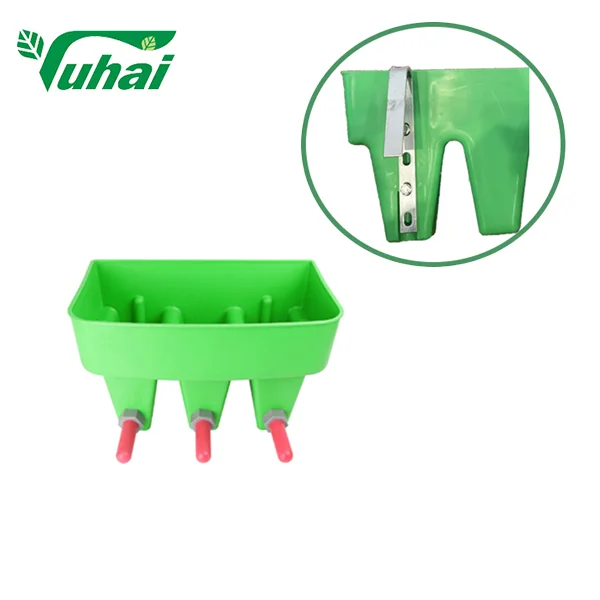
First and foremost, the feeding bucket is primarily used to raise orphaned lambs or those rejected by their mothers. For these vulnerable newborns, traditional bottle-feeding is not only time-consuming and labor-intensive but also carries the risk of aspiration due to improper positioning. Designed to mimic natural suckling, the feeding bucket's bionic nipple guides lambs to feed at the correct angle, significantly reducing the risk of lung infections. This provides crucial support for lamb survival and healthy growth while saving farmers considerable time.
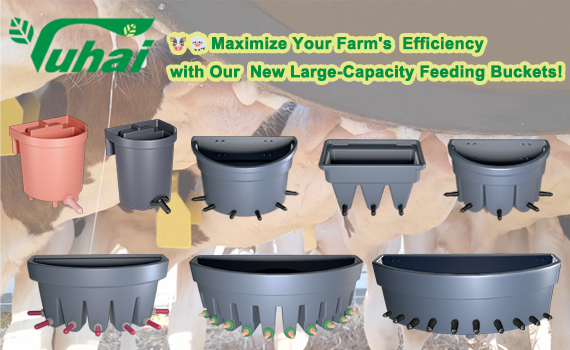
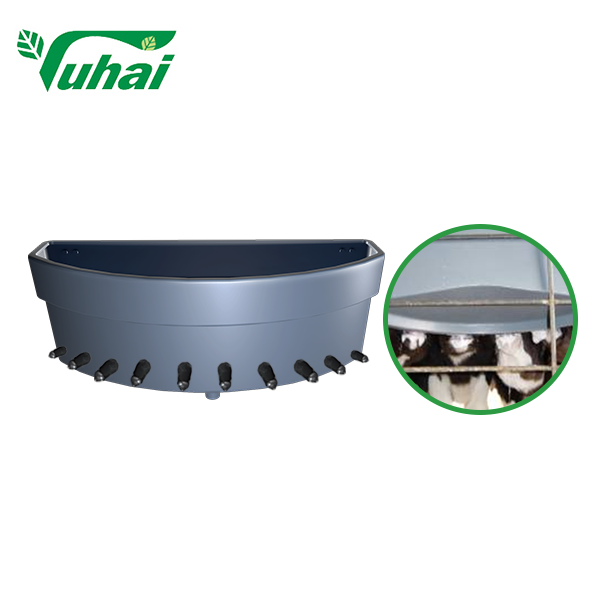
In large-scale or commercial sheep farms, the feeding bucket's value lies in its powerful efficiency-enhancing capabilities. During peak lambing seasons, manually feeding dozens of lambs simultaneously creates immense labor pressure. A multi-hole feeding bucket can simultaneously feed 4 to 8 lambs. Its durable construction and ease of cleaning and disinfection enable standardized feeding protocols, drastically reducing labor costs while ensuring consistent nutritional intake across the entire flock.
Furthermore, this product serves as a vital tool for promoting high-welfare farming and specialized management. For instance, when ewes produce insufficient milk—such as when nursing triplets or quadruplets—the feeding bucket functions as an ideal supplemental feeding device. Farmers can keep lambs with their mothers to foster bonding and social learning while supplementing weaker lambs through the feeding bucket, ensuring the entire litter thrives. For pet lambs, using a feeding bucket also prevents excessive human dependency compared to bottle-feeding.
Copyright © YUYAO YUHAI LIVESTOCK MACHINERY TECHNOLOGY CO.,LTD.