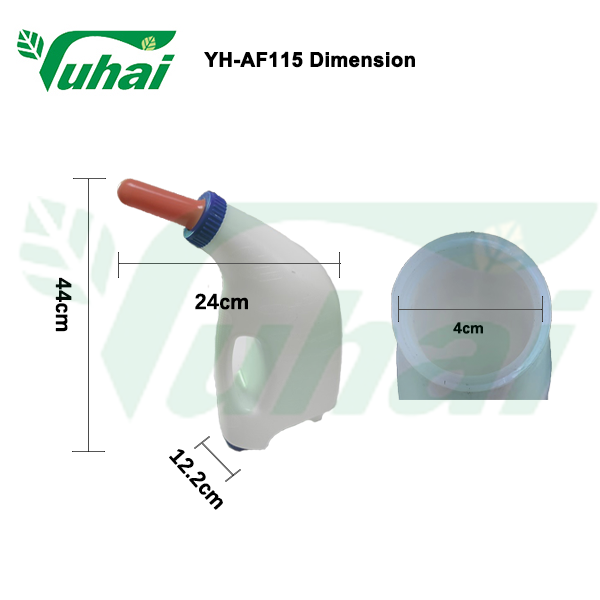
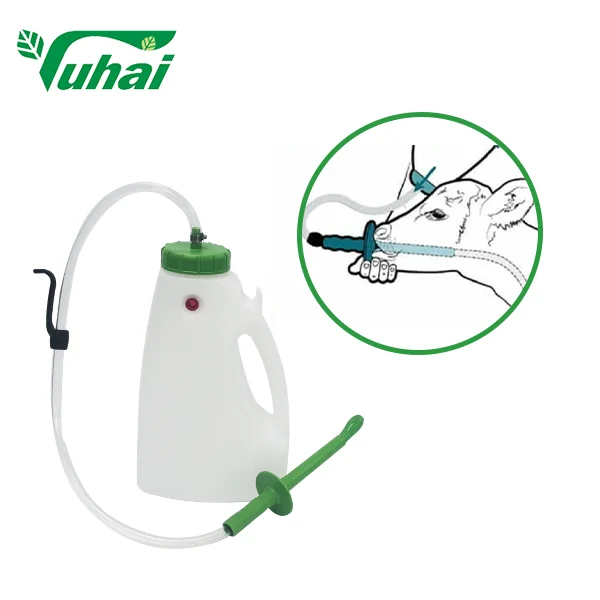
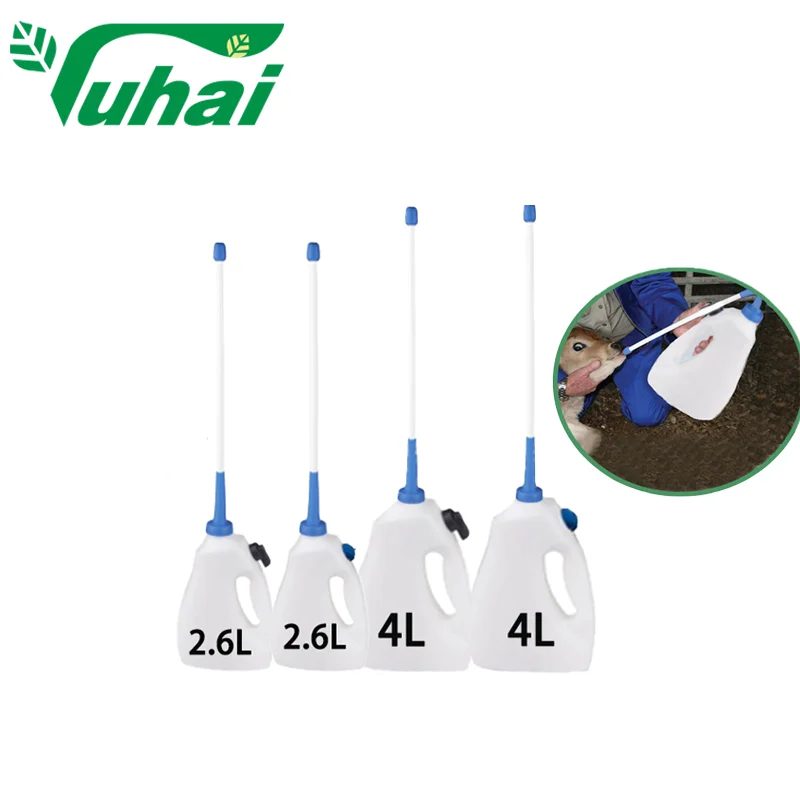
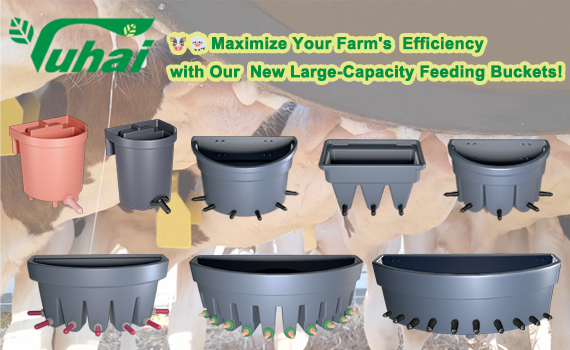
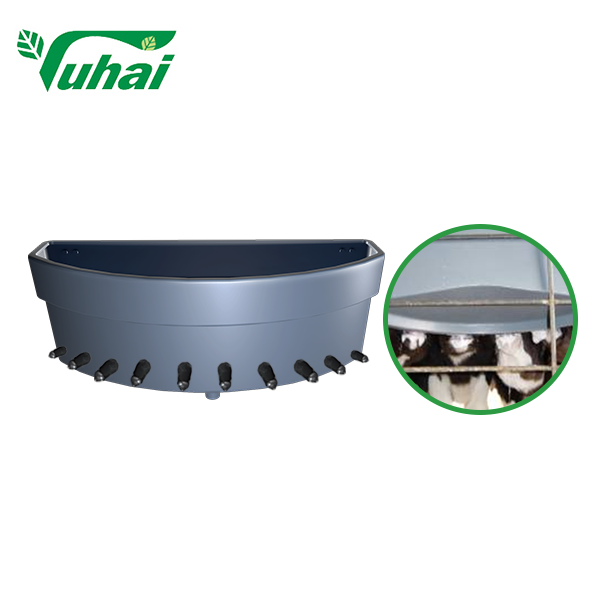
For every rancher and livestock manager, the health of newborn calves is paramount to the future productivity of the herd. During this critical early stage of life, a seemingly simple tool—the calf bottle—plays a role far greater than its appearance suggests. Choosing a specially designed calf bottle, rather than a standard open pail, is a wise decision that lays the foundation for healthy calf growth. Its core significance lies in respecting and harnessing the calf's natural physiological mechanisms. When the calf sucks through the nipple on the bottle, it triggers the “esophageal groove reflex” in its throat, ensuring milk is directed straight to the true stomach (the omasum) for digestion. This mechanism effectively prevents issues associated with bucket feeding, such as milk entering the forestomach, causing fermentation, bloating, and potentially fatal diarrhea.
Additionally, the specialized bottle controls milk flow rate, preventing calves from gulping their feed and significantly reducing the risk of aspiration pneumonia. In terms of hygiene, high-quality calf bottles are made from non-toxic, easy-to-clean materials that facilitate thorough sterilization. This significantly reduces the spread of bacteria (such as E. coli and Salmonella) among calves—an advantage unmatched by shared milk buckets, which are difficult to clean thoroughly. Therefore, investing in a suitable calf feeder directly translates to investing in calf health, laying a solid foundation for reducing veterinary costs and labor input.
Beyond health benefits, calf feeders are also powerful tools for enhancing farm management efficiency. They allow farmers to precisely monitor the amount of colostrum and milk replacer consumed by each calf, which is crucial for ensuring calves receive sufficient passive immunity within the critical first 6 hours after birth. Accurate record-keeping ensures every calf receives the individualized care it needs. For weak, orphaned, or nutritionally deficient calves, bottles provide a controlled and minimally stressful feeding method. Simultaneously, suckling is a natural instinct for calves. Bottle feeding satisfies this innate behavior, helping reduce stress, promote behavioral health, and lay a solid foundation for a smooth transition to solid feed later on.
When selecting calf feeding bottles, prioritize nipple designs that are soft and lifelike, offer controlled flow rates (especially slow-flow nipples for newborn calves), and feature clear volume markings on the bottle body. Opt for durable, BPA-free materials that are easy to clean. Recognizing the importance of specialized feeding bottles also helps avoid common feeding pitfalls, such as using open milk buckets, feeding unevenly warmed or cold milk, and inadequate hygiene practices. In summary, a professional calf feeder is far from a trivial expense—it represents a profound investment in the future of your operation. By supporting calves' natural digestive processes, preventing disease, and streamlining management, it directly contributes to raising stronger, higher-producing herds, providing a solid foundation for your farm's long-term prosperity and profitability.

 EN
EN