
 EN
EN



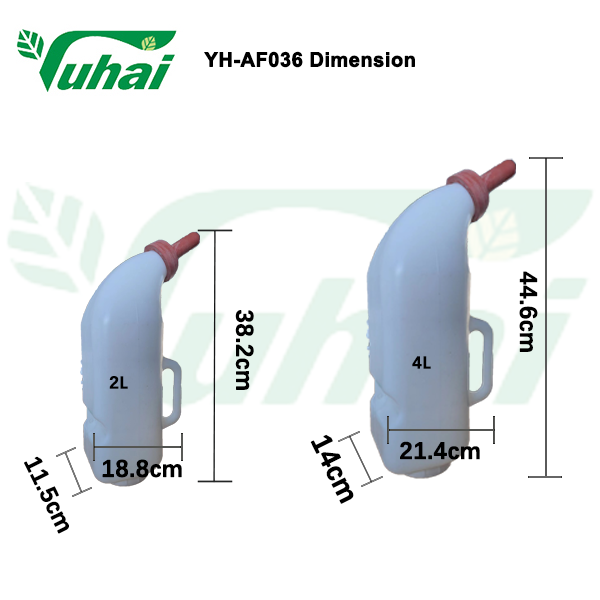
Správne kŕmne postupy v raných štádiách života teleňa sú kritické pre vytvorenie silnej imunitnej funkcie, zdravého rastu a dlhodobej produktivity. Fľaša pre teleňatá je fľaša pre teliatka slúži ako jeden z najzákladnejších nástrojov v tomto procese, avšak mnohí chovatelia dobytka nevedomky ohrozujú zdravie teliat preventívnymi chybami pri výbere fliaš, postupoch čistenia a technikách krmenia. Porozumenie týmto bežným chybám a zavedenie nápravných opatrení môže významne zvýšiť účinnosť prenosu kolostrálnych protilátok, znížiť výskyt ochorení a zlepšiť celkový výkon stáda v mliečnych aj mäsových chovoch.
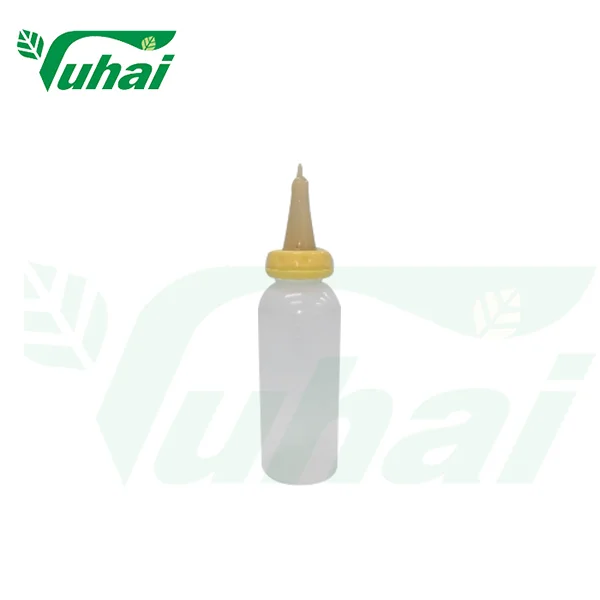
Od nedostatočných postupov v oblasti hygieny, ktoré vytvárajú rezervoáre patogénov, až po nesprávny výber sýčkov, ktorý narušuje prirodzené sávanie, sa spektrum potenciálnych chýb rozprestiera na obidve oblasti – správu vybavenia aj metodiku krmenia. Tieto chyby sa často prejavujú postupne, čo zvyšuje náročnosť ich rozpoznania v dôsledku kumulatívneho účinku, kým sa nezačnú zhoršovať ukazovatele výkonu teliat. Systémovou analýzou najčastejších chýb pri používaní fľašiek na krmenie teliat a zavedením najlepších praktík založených na dôkazoch môžu výrobcovia premeniť tento jednoduchý nástroj na krmenie na strategický prostriedok na optimalizáciu výživy v ranom životnom štádiu a na položenie základov pre výdajný chov hospodárskych zvierat.
Chyby pri výbere a údržbe vybavenia
Výber nevhodných materiálov a konštrukcií fľašiek
Výber fliaš na krmiace teliatka z nižšej kvality plastových zlúčenín predstavuje základnú chybu, ktorá ohrozuje nielen trvanlivosť, ale aj hygienické štandardy. Materiály nižšej kvality sa po opakovanom vystavení horúcej vode a čistiacim prostriedkom začínajú trhľať a povrch sa degraduje, čím vznikajú miesta, kde sa môžu usadiť baktérie, ktoré odolávajú bežným postupom dezinfekcie. Takto poškodené fľaše môžu uvoľňovať škodlivé látky do náhradného mlieka alebo kolostromu, najmä pri vystavení extrémnym teplotám počas krmenia alebo sterilizačných procesov. Fľaše profesionálnej kvality vyrobené z potravinársky bezpečného polypropylénu alebo polyetylénov vysokého hustoty ponúkajú vynikajúcu odolnosť voči chemikáliám a zachovávajú svoju štruktúrnu celistvosť po stovkách použití bez degradácie materiálu.
Nesprávny výpočet objemovej kapacity predstavuje ďalšiu bežnú chybu pri výbere, pričom výrobcovia buď vyberajú fľaše príliš malé pre svoje kŕmne postupy, alebo nadmierne veľké jednotky, ktoré podporujú prekŕmenie. Správne zvolená fľaša pre tele by mala pojmúť objem plánovanej kŕmnej dávky a zároveň poskytnúť dostatok miesta na zmiešanie a zabrániť nadmernej ingestii vzduchu počas kŕmenia. Väčšina novorodencov potrebuje počas prvých týždňov života 2–3 litre na jedno kŕmenie, čo robí fľaše s objemom 2–3 litre najvhodnejšími pre individuálne kŕmne systémy. Prevádzky, ktoré používajú väčšie fľaše s objemom 4–6 litrov, sa často stretávajú s ťažkosťami pri udržiavaní vhodného objemu kŕmnej dávky a zaznamenávajú problémy s nedokončeným spotrebovaním, čo vedie k odpadu mlieka a nezostálemu dodávaniu živín.
Ergonomické prvky návrhu sa často nedostatočne zohľadňujú pri výbere fliaš, hoci tieto prvky významne ovplyvňujú účinnosť kŕmenia a pohodlie obsluhy počas intenzívnych operácií chovu teliat vo veľkom objeme. Fľaše bez tvarovo prispôsobených rukovätí alebo s nevyváženým rozložením hmotnosti spôsobujú únavu obsluhy a zvyšujú pravdepodobnosť náhodného upustenia, čo môže poškodiť vybavenie alebo vylieť cenný kolostrum. Umiestnenie rukoväte, tvar fľaše a celková hmotnosť naplnenej fľaše všetky prispievajú k pohodlnosti používania počas opakujúcich sa cyklov kŕmenia, charakteristických pre intenzívne programy chovu teliat. Investícia do dobre navrhnutých fliaš s pohodlnými rukoväťami a vyváženými proporciami zníži fyzické zaťaženie a zlepší konzistenciu kŕmenia počas viacerých denných kŕmien.
Zanedbanie kvality bradaviek a kompatibilitných problémov
Inštalácia sýčkov vyrobených z tuhých alebo zle navrhnutých materiálov výrazne narušuje schopnosť teleňa vyvinúť správne mechanizmy sápania a získať dostatočnú výživu. Sýčky z tvrdého gumového materiálu alebo z plastu nízkej kvality nedokážu napodobniť prirodzenú pružnosť kravieho sýčka, čo spôsobuje únavu ústnej dutiny a odrazuje intenzívne sápanie, ktoré stimuluje produkciu slín a správne aktivácie tráviacich enzýmov. Sýčky z kremíka, ktoré sú technicky navrhnuté tak, aby napodobňovali pružnosť prirodzeného tkaniva, podporujú silnejší reflex sápania a uspešnejšie umiestnenie jazyka, čo zabezpečuje zdravšie uzavretie pažerákového žľabu a zabezpečuje, že mlieko obíde žalúdok (rumen) a priamo sa dostane do žalúdka (abomasum). Táto anatómická presnosť je obzvlášť dôležitá počas kŕmenia kolostrumom, keď efektívnosť absorpcie imunoglobulínov závisí výrazne od správneho tráviaceho smerovania.
Nesúlad prietokových rýchlostí medzi dizajnom šupky a vekom teleňa spôsobuje problémy pri krmení, čo znižuje príjem potravy a predlžuje trvanie jedla nad optimálne časové rámce. Novorodené teleňatá vyžadujú šupky s menšími otvormi, ktoré obmedzujú prietok približne na 1–2 litre za 10–15 minút, čím sa zabráni aspirácii a zabezpečí sa dostatočný čas na zmiešanie so slinami. Keď sa teleňatá vyvíjajú a zosilnie ich schopnosť sáť, prechod na šupky s mierne väčšími otvormi udržiava vhodný tempa krmenia bez nadmerného úsilia. Mnohí chovatelia robia chybu tým, že používajú jeden typ šupky pre všetky vekové kategórie teleňat, čo má za následok buď neprekonateľne pomalé krmenie starších teleňat, alebo nebezpečne rýchly prietok, ktorý zvyšuje riziko pneumónie u mladších zvierat aspiráciou mlieka do dýchacích ciest.
Nedostatočná pravidelná kontrola bradaviek na opotrebovanie, trhliny alebo rozšírenie otvoru umožňuje používať poškodené kŕmne vybavenie, čím sa podkopávajú programy výživy a ohrozuje sa zdravie teliat. Bradavky vystavené opakovaným cyklom čistenia a stálemu mechanickému zaťaženiu intenzívnym sápaním sa postupne zhoršujú, čo vedie k nepravidelným charakteristikám prietoku a potenciálnym miestam kontaminácie. Zavedenie systematického plánu výmeny bradaviek na základe intenzity ich používania namiesto čakania na zjavné zlyhanie zabezpečuje konzistentný výkon pri kŕmení a udržiava štandardy biologického zabezpečenia. Väčšina komerčných fľaša pre teliatka bradaviek vyžaduje výmenu každých 30–60 dní za normálnych podmienok používania, pričom v prevádzkach, kde sa krmi kyslifikované mlieko alebo sa používajú agresívne dezinfekčné prostriedky, je potrebná vyššia frekvencia výmeny.
Nedostatky v protokole dezinfekcie
Používanie nedostatočných postupov čistenia
Spoliehanie sa na jednoduché oplachovanie fľaštičiek studenou vodou medzi kŕmeniami predstavuje jeden z najnebezpečnejších kompromisov pri správe fľaštičiek pre teleňatá, pretože táto prax umožňuje rýchle hromadenie zvyškov mlieka a bakteriálnych biofilmov na vnútorných povrchoch. Usadeniny mliečneho tuku a bielkovín vytvárajú živný prostredie, v ktorom sa patogénne baktérie, vrátane Salmonella, Escherichia coli a druhov Mycoplasma, množia do nebezpečných koncentrácií už niekoľko hodín po kŕmení. Tieto organizmy spôsobujú vážnu hnačku, respiračné ochorenia a systémové infekcie, čo vedie k zvýšeniu úmrtnosti a vzniku významných nákladov na liečbu. Účinné postupy čistenia vyžadujú horúcu vodu s minimálnou teplotou 60 °C v kombinácii s alkalickými čistiacimi prostriedkami špeciálne formulovanými na rozklad mliečneho tuku a bielkovín, za ktorým nasleduje dôkladné mechanické šetrkanie, aby sa odstránili všetky viditeľné zvyšky z vnútorných povrchov fľaštičiek a povrchov sýčkov.
Preskočenie kritického kroku dezinfekcie po čistení umožňuje prežívajúcim baktériám sa množiť počas obdobia skladovania, čím sa z javne čistých fliaš stávajú vektory ochorení pre následné krmenia. Zatiaľ čo čistenie odstraňuje viditeľné nečistoty a hromadné kontaminácie, dezinfekcia využíva chemické alebo tepelné metódy, ktoré znížia mikrobiálnu populáciu na bezpečnú úroveň a zabránia jej opätovnému rastu. Medzi bežné metódy dezinfekcie patria roztoky oxidu chlórneho, kvartérne amónne zlúčeniny alebo ponorenie vo vode s teplotou 82 °C po dobu minimálne dve minúty. Fľaša pre tele by sa mala podrobiť úplnej dezinfekcii po každom cykle krmenia, pričom zvláštny dôraz je potrebné klásť na dezinfekciu šupky, keďže tento komponent prichádza do styku s mliekom aj ústnou dutinou tela a vytvára tak priame cesty prenášania patogénov.
Nesprávne techniky sušenia a skladovania znižujú účinnosť aj dôkladného čistenia a dezinfekcie, pretože vytvárajú podmienky vhodné na opätovné bakteriálne kontaminácie a rast pliesní. Ukladanie fliaš do uzavretých nádob alebo ich skladovanie v zasunutom stave, keď sú ešte mokré, zachytáva vlhkosť a bráni cirkulácii vzduchu, čo umožňuje príležitostným mikroorganizmom osídliť už vyčistené povrchy. Fľaše je potrebné umiestniť na čisté sušiace stojany prevrátené hore dnom v priestoroch s dobrým vetraním a ochranou pred zdrojmi environmentálneho znečistenia, ako sú prach, častice trusu alebo aktivita hmyzu. Správne sušenie tiež predlžuje životnosť vybavenia tým, že zabraňuje usadzovaniu minerálnych usadenín z tvrdej vody a znižuje chemické degradáciu plastových materiálov, ktorá nastáva za trvalo vlhkom prostredia.
Nedodržiavanie oddeleného vybavenia pre rôzne skupiny teliat
Používanie rovnakej fľašky pre teliatka rôzneho veku alebo rôzneho zdravotného stavu vytvára riziko krížovej kontaminácie, ktoré môže infekčné ochorenia rýchlo šíriť celou populáciou mladých zvierat. Novorodené tele tiež majú nezrelý imunitný systém s obmedzenou odolnosťou voči patogénom, čo ich robí veľmi zraniteľnými voči organizmom, ktoré staršie tele môžu znášať bez klinických príznakov. Fľašky používané pre choré tele obsahujú zvýšené koncentrácie baktérií a vírusov spôsobujúcich ochorenia, ktoré pretrvávajú napriek štandardným postupom čistenia a vyžadujú intenzívnejšiu dezinfekciu alebo, čo je ešte lepšie, úplné oddelenie od vybavenia používaného pre zdravé zvieratá. Zavedenie farebne kódovaného systému fľašiek, ktorý určuje špecifické vybavenie pre rôzne skupiny teliat, poskytuje vizuálne riadenie, ktoré bráni neúmyselnému krížovému použitiu a udržiava hranice biologického zabezpečenia.
Zdieľanie fliaš medzi prevádzkami alebo požičiavanie vybavenia od susedných farmov môže zaviesť vonkajšie patogény, ktoré v populácii teliat na danej farme nemusia byť prítomné, čo potenciálne spôždí výskyt ochorení u doteraz nevystavených zvierat. Každá farma vyvíja jedinečné mikrobiálne prostredie, ktoré odráža jej špecifické postupy v chove, geografickú polohu a genetiku zvierat. Vonkajšie fľaše môžu prenášať baktérie odolné voči antibiotikám alebo vírusové agens, ktoré prekonajú lokálnu imunitu stáda a spôsobia vážne klinické ochorenia, vyžadujúce rozsiahlu liečebnú intervenciu. Udržiavanie uzavretého systému vybavenia s dostatočným počtom fliaš na pokrytie prevádzkových potrieb bez nutnosti požičiavania zvonku predstavuje rozumnú investíciu do biozabezpečenia, ktorá chráni zdravie a produkčnú výkonnosť stáda.
Nedohliadnutie na zdroje kontaminácie prostredia
Príprava náhradného mlieka alebo kolostrum v kontaminovaných oblastiach umožňuje prostredným patogénom vniknúť do kŕmneho systému ešte predtým, než sa fľaša pre teliatka dostane k zvieraťu. Miesta na miešanie umiestnené v blízkosti miest na skladovanie hnoja, oblastí s intenzívnym pohybom hospodárskych zvierat alebo prachových prostredí vystavujú pripravené krmivá fekálnym baktériám, sporám pliesní a časticovým nečistotám, ktoré ohrozujú hygienu bez ohľadu na čistotu fľašiek. Vyhradené miestnosti na prípravu krmív so hladkými, ľahko čistiteľnými povrchmi, riadeným prístupom a pozitívnou ventiláciou minimalizujú riziká kontaminácie a vytvárajú štandardizované podmienky pre konzistentnú prípravu mlieka. Tieto priestory by mali obsahovať prístup k teplej a studenej vode, primerané osvetlenie na vizuálnu kontrolu a vyhradené miesto na uskladnenie čistých fľašiek oddelene od špinavého vybavenia čakajúceho na umývanie.
Povolenie, aby sa kŕmne fľašky dotýkali povrchov zeme, ohrád alebo inej poľnohospodárskej infraštruktúry počas používania, vedie k priamemu preniknutiu pôdou prenášaných patogénov a chemických zvyškov do kŕmneho systému. Už krátka interakcia s kontaminovanými povrchmi prenáša milióny baktérií na vonkajší povrch fľašiek, ktoré sa následne presúvajú na šupku a mlieko prostredníctvom kontaktu obsluhy alebo priamym dotykom počas kŕmenia. Vzdelávanie všetkých zamestnancov s cieľom udržiavať fľašky počas celého procesu kŕmenia v zdvihnutnej a čistej polohe, ako aj poskytnutie špeciálnych držiakov alebo háčikov na fľašky v teliatních boxoch, zabraňuje tejto bežnej ceste kontaminácie. Jednoduché organizačné zmeny, ktoré zabezpečia, že kŕmne vybavenie nebude ležať na zemi, môžu výrazne znížiť expozíciu patogénom a zlepšiť celkové zdravotné výsledky teliat.
Chyby v technike a časovaní kŕmenia
Nesprávne výpočty teploty a objemu
Podávanie mlieka alebo kolostrum pri nevhodných teplotách narušuje tráviacu funkciu a zníži efektivitu vstrebávania živín, čím oslabuje aj najkvalitnejšie krmenia. Príliš horúce tekutiny nad 42 °C môžu spôsobiť popáleniny ústnej dutiny a poškodenie pažeráka, zatiaľ čo studené krmivá pod 35 °C vyžadujú, aby teliatá vynakladali cennú energiu na zohriatie tekutiny na telesnú teplotu, čo odvádza zdroje od rastu a vývoja imunitného systému. Ideálna teplota podávania pri krmení teliat z fľašky je v rozmedzí 38–40 °C, čo sa blízko zhoduje s normálnou telesnou teplotou telaťa a optimalizuje aktivitu enzýmov v žalúdiku (abomasum). Používanie spoľahlivých teplomerov na overenie teploty krmiva pred každým krmením zabezpečuje konzistenciu a predchádza tepelnej stresovej reakcii, ktorá môže znížiť príjem krmiva a poškodiť tráviacu výkonnosť.
Prekrmenie v dôsledku príliš veľkých objemov jedla prekračuje tráviacu kapacitu a zvyšuje riziko výživového hnačkovania, nadúvania žalúdka (abomasum) a metabolických porúch. Hoci agresívne kŕmne programy majú za cieľ maximalizovať rastové rýchlosti, prekročenie kapacity žalúdka (abomasum), ktorá činí približne 8–10 % telesnej hmotnosti na jedno kŕmenie, núti mlieko do srdcového žalúdka (rumenu), kde bakteriálna fermentácia vytvára organické kyseliny a plyny, ktoré spôsobujú nepohodlie a hnačku. Novorodené telec tak zvyčajne účinne spracujú 2 litre mlieka na jedno kŕmenie, pričom sa postupne zvyšuje množstvo až na 3 litre počas prvého mesiaca života, keď sa rozširuje ich tráviaca kapacita. Rozdelenie denného množstva mlieka na viacero menších kŕmení pomocou vhodne veľkých kŕmnych fliaš pre telecia umožňuje lepšie využitie živín v porovnaní s menej častými, ale väčšími kŕmeniami a zároveň lepšie napodobňuje prirodzené kŕmenie mliekom matky.
Nedostatočne konzistentné objemy kŕmy medzi jedlami alebo počas dní spôsobujú metabolickú dezorientáciu a stresové reakcie, ktoré oslabujú imunitnú funkciu a rastový výkon. Tele si vytvára silné očakávania týkajúce sa času a množstva jedla a v predstihu pravidelného kŕmenia uvoľňuje tráviace enzýmy a hormóny. Výrazné kolísanie objemov narušuje tieto fyziologické prípravy a môže spôsobiť buď neefektívny prebytok živín, keď príde nadmerný objem, alebo stres hladu, ak sa očakávané množstvá neprejaví. Udržiavanie štandardizovaných objemov dodávaných prostredníctvom kalibrovaných fľašiek pre tele zabezpečuje predvídateľnú výživu, ktorá podporuje stabilný metabolizmus a optimálny vývin.
Chyby pri umiestňovaní a manipulácii počas kŕmenia
Kŕmenie teliat v polohe na boku alebo v nesprávnej polohe narušuje prirodzené mechanizmy prehĺtania a zvyšuje riziko aspiračnej pneumónie kvôli nesprávnemu uzavretiu pažerákového žľabu. Reflex pažerákového žľabu, ktorý obchádza syčivý žalúdok a smeruje mlieko do žalúdka (abomasum), funguje najspoľahlivejšie, keď sa teliatá kŕmia v stojacej polohe so zvýšenou hlavou mierne nad úrovňou pleťov. Táto prirodzená poloha uľahčuje správne umiestnenie jazyka a vytvára neurologický podnet potrebný na uzavretie žľabu. Vynútenie teliatam kŕmenia v ležiacej polohe alebo s nadmierne zvýšenou hlavou tieto mechanizmy narušuje a umožňuje mlieku vstúpiť do syčivého žalúdka, kde sa namiesto správneho enzýmového trávenia podlieha fermentácii.
Nadmerné manipulovanie alebo obmedzovanie počas kŕmenia vyvoláva stresové reakcie, ktoré potláčajú normálnu tráviacu funkciu a znižujú dobrovoľný príjem krmiva. Tele, ktoré zažíva strach alebo nepohodlie počas kŕmenia z fľašky, vytvára negatívne asociácie s procesom kŕmenia, čo vedie k neochote sa kŕmiť a zníženému celkovému príjmu mlieka. Fľašku pre tele by sa mala ponúknuť pokojne a s minimálnym fyzickým obmedzením, aby sa zvieratá mohli dobrovoľne priblížiť a kŕmiť sa v ich prirodzenej rýchlosti. Prevádzky, ktoré vyžadujú výrazné fyzické obmedzovanie na dokončenie kŕmenia, často trpia podkladovými problémami s prietokovou rýchlosťou špičky, teplotou mlieka alebo chutnosťou, ktoré by sa mali vyriešiť úpravou vybavenia alebo krmiva namiesto zvyšovania tlaku prostredníctvom intenzívnejšieho manipulovania.
Rýchle ukončenie kŕmenia odberom fliašiek predtým, než teliatka samovoľne uvoľnia sýčok, narušuje správne signalizovanie sytosti a znižuje príjem živín. Teliatka majú vrodené mechanizmy, ktoré regulujú trvanie kŕmenia na základe ich potreby živín a kapacity žalúdka, pričom pokračujú v sávaní, kým vnútorné senzory neukážu, že bol príjem živín dostatočný. Predčasné ukončenie kŕmenia ponecháva teliatka výživovo nespokojné a zvyšuje správanie, ako je napríklad prekrížené sávanie spoluživotných teliat, čo vedie k prenosu patogénov a môže spôsobiť poranenia sa vyvíjajúcich sa mliečnych žliaz alebo pupkov. Umožnenie teliatkam sávať až do chvíle, keď sýčok samovoľne uvoľnia – zvyčajne 10–20 minút na jedno kŕmenie – zabezpečuje úplné dodanie živín a uspokojuje behaviorálne potrebu sávania.
Zanedbávanie protokolov špecifických pre kolostrum
Používanie štandardného fľaša pre teliatka kŕmne techniky pre podávanie kolostrá nedostatočne berú do úvahy časovo kritickú povahu absorpcie imunoglobulínov a jedinečné fyzikálne vlastnosti tohto prvého mlieka. Kolostrum obsahuje výrazne vyššie koncentrácie protilátok, buniek a bioaktívnych zlúčenín v porovnaní s bežným mliekom, čo vytvára hrubšiu konzistenciu vyžadujúcu špicu s vhodne veľkými otvormi, aby sa udržal primeraný prietok bez nadmerne dlhej doby kŕmenia. Priepustnosť črevnej steny novorodeného teleňa pre veľké molekuly imunoglobulínov sa rýchlo zníži počas prvých 24 hodín života, pričom účinnosť absorpcie klesne približne o 50 % už po prvých 12 hodinách. Táto biologická realita vyžaduje, aby sa prvé podanie kolostrá uskutočnilo do 2 hodín po narodení pomocou správne zohriateho, vysokokvalitného kolostrá podávaného cez čisté vybavenie.
Nesprávne overenie kvality mliečka pred kŕmením zbytočne vyhodí kritickú prvú príležitosť na kŕmenie materiálom s nízkym obsahom protilátok, ktorý nedokáže poskytnúť primeranú imunitnú ochranu. Koncentrácia imunoglobulínov v mliečku sa veľmi značne líši v závislosti od faktorov týkajúcich sa kravy, vrátane jej veku, stavu očkovania, dĺžky suchého obdobia a času medzi porodom a odberom mliečka. Použitie kolostrometra alebo Brixového refraktometra na meranie kvality mliečka zabezpečuje, že do fliašky pre prvé kŕmenie teliat sa dostane len mliečko s obsahom imunoglobulínov IgG vyšším ako 50 g/l. Mliečko nižšej kvality by sa malo zahodiť alebo použiť až na neskoršie kŕmenia po tom, čo bolo teliatu poskytnuté mliečko vysokej kvality; nikdy by sa nemalo spoliehať iba na vizuálne posúdenie pri určovaní vhodnosti mliečka.
Nedostatočné množstvo kolostru počas prvého kŕmenia necháva teliatá imunologicky oslabené bez ohľadu na koncentráciu protilátok. Výskum opakovane preukázal, že novorodené teliatá potrebujú počas prvého kŕmenia minimálne 10 % hmotnosti pri narodení v podobe kolostru vysokej kvality, aby sa dosiahla primeraná pasívna prenos imunity. U telaťa s hmotnosťou 40 kg ide teda o 4 litre kolostru vysokej kvality, čo často vyžaduje použitie viacerých fliaš alebo kŕmnych systémov s väčšou kapacitou. Mnohí chovatelia robia kritickú chybu a počas prvého kŕmenia poskytnú len 2–3 litre, pričom predpokladajú, že menšie objemy sú jemnejšie pre tráviaci trakt; v skutočnosti však tento postup spôsobuje zlyhanie pasívneho prenosu imunity, čo u teliat zvyšuje riziko infekčných ochorení po celé obdobie pred odstavením.
Zlyhanie monitorovania a vedenia záznamov
Chýbajúca systematická dokumentácia kŕmenia
Prevádzka bez písomných záznamov o kŕmení bráni identifikácii vzorov príjmu, rastových trendov a zdravotných problémov, kým sa tieto problémy nestanú tak závažnými, že sa prejavia ako zrejmé klinické ochorenia. Jednotlivé záznamy o kŕmení teliat, ktoré dokumentujú dátum, čas, objem spotrebovaného mlieka, odmietnutia a správanie počas kŕmenia z fľašky, vytvárajú údajové toky, ktoré odhaľujú jemné zmeny v chuťi na jedlo alebo v sile sáňania, ktoré predchádzajú vypuknutiu ochorení. Tieto záznamy umožňujú včasný zásah v prípade, keď sa u teliat začnú objavovať znížený príjem potravy alebo zmeny v správaní pri kŕmení, čo umožňuje liečbu v raných štádiách ochorenia, keď je úspešnosť terapie najvyššia a náklady na liečbu najnižšie. Digitálne systémy záznamov alebo jednoduché papierové záznamy vedené v čase kŕmenia poskytujú nevyhnutné manažérske informácie, ktoré menia reaktívnu liečbu ochorení na proaktívne zdravotné manažment.
Nesledovanie údržby a výmeny vybavenia má za následok ďalšie používanie poškodených komponentov fľašiek pre teliatka, čo oslabuje účinnosť kŕmneho programu. Dokumentačné systémy by mali zaznamenávať vykonané protokoly čistenia, použité koncentrácie dezinfekčných prostriedkov, dátumy výmeny bradaviek a kontrolu vybavenia, aby sa zabezpečili konzistentné hygienické štandardy a včasná výmena komponentov. Tieto informácie sú neoceniteľné pri vyšetrovaní výskytu ochorení alebo nevysvetliteľných problémov s výkonom, pretože poskytujú objektívny dôkaz o postupoch riadenia namiesto spoliehania sa na pamäť alebo predpoklady. Prevádzky, ktoré spravujú veľké populácie teliatok, výrazne profitujú z systémov sledovania údržby, ktoré automaticky spúšťajú výmenu vybavenia v preddefinovaných intervaloch na základe intenzity jeho používania.
Nedostatočné monitorovanie výkonu a jeho úprava
Pokračovanie v kŕmnych protokoloch bez pravidelného hodnotenia rýchlosti rastu, zdravotných výsledkov a účinnosti kŕmenia bráni optimalizácii výživových programov a udržiava neúčinné postupy. Mesačné váženie a meranie reprezentatívnych skupín teleď poskytuje objektívne údaje o výkonnosti, ktoré odhaľujú, či sú aktuálne kŕmne stratégie schopné dosiahnuť očakávané výsledky, alebo či je potrebné ich upraviť. Cieľové priemerné denné prírastky počas obdobia kŕmenia mliekom by mali dosahovať minimálne 0,7–0,8 kilograma denne pre náhradné teľatá, pričom mnohé zrýchlené programy dosahujú 1,0 kilograma alebo viac prostredníctvom intenzívneho kŕmenia mliekom alebo mliečnym náhradníkom s použitím správnych techník kŕmenia cez fliašku. Rastové miery, ktoré trvalo zostávajú pod cieľovými hodnotami, naznačujú problémy s kvalitou krmiva, technikou kŕmenia, tlakom chorôb alebo environmentálnymi podmienkami, ktoré vyžadujú systematické vyšetrenie a následnú korekciu.
Ignorovanie zdravotných ukazovateľov, ako sú výskyt stolice, miera respiračných ochorení a úmrtnostné vzory, umožňuje, aby sa problémy s kŕmením ďalej nezisťovali a spôsobovali trvalé straty. Diaréa postihujúca viac ako 25 % teliat pred odstavením často odráža problémy s riadením kŕmenia, vrátane kontaminovaných fliaš, nesprávnej teploty mlieka, nekonzistentných objemov alebo zlej správy kolosrála. Podobne môžu výskyty respiračných ochorení súvisieť s aspiračnými udalosťami spôsobenými nesprávnou polohou pri kŕmení alebo nadmernou rýchlosťou prúdenia cez opotrebované saky. Vedenie zdravotných záznamov, ktoré sledujú výskyt ochorení podľa konkrétnych vekových skupín, a korelácia týchto vzorov s postupmi kŕmenia odhaľujú príčinné vzťahy, ktoré vedú k cieľovým zásahom a neustálej optimalizácii protokolov používania fliaš pre teliat.
Často kladené otázky
Ako často by sa mali fľaše pre teliat úplne vymeniť namiesto toho, aby sa len čistili?
Aj pri správnom čistení a dezinfekcii sa u fliaš pre teliat vyvíja mikroskopické poškodenie povrchu, chemická degradácia a únavové poškodenie materiálu, čo nakoniec ohrozuje ich hygienickú integritu aj funkčný výkon. Väčšina komerčných prevádzok by mala plánovať úplnú výmenu fliaš každých 12–18 mesiacov za normálnych podmienok používania; častejšia výmena je potrebná v prípade viditeľného praskania, trvalého zmenšenia farby alebo ak sa po umytí nedá dosiahnuť čistý vzhľad fliaš. Sutky vyžadujú častejšiu výmenu, zvyčajne každých 30–60 dní v závislosti od intenzity používania a typu dezinfekčného prostriedku, pretože pružný materiál sa degraduje rýchlejšie ako telo fliaš. Udržiavanie dostatočného zásobovania vybavením, ktoré umožňuje výmenu celých skupín fliaš namiesto postupnej náhrady jednotlivých kusov, zabezpečuje konzistentný výkon pri krmení celej populácie teliat.
Aká teplota vody by mala byť pri čistení fliaš pre teliat, aby sa zabezpečila účinná dezinfekcia?
Účinné čistenie fliaš pre teleňatá vyžaduje horúcu vodu s minimálnou teplotou 60 °C, aby sa dostatočne rozpustili mliečne tuky a aktivovala sa alkalická čistiaca chemikália; teploty blížiace sa 70–75 °C poskytujú však lepší čistiaci účinok bez rizika tepelného poškodenia kvalitných plastových fliaš. Túto horúcu vodu je potrebné udržiavať počas celého procesu umývania, nie iba počas počiatočného oplachovania, aby sa udržala chemická aktivita a zabránilo sa opätovnému usadzovaniu mliečnych tukov na ochladzujúcich sa povrchoch. Po umytí čistiacou tekutinou nasleduje samostatný kroku dezinfekcie, pri ktorom sa použijú buď chemické dezinfekčné prostriedky v koncentráciách odporúčaných výrobcom, alebo oplach horúcou vodou pri teplote 82 °C po dobu minimálne dva minúty – tým sa mikrobiálna populácia zníži na bezpečnú úroveň. Mnohé prevádzky zistili, že investícia do špeciálneho systému na umývanie fliaš s presne regulovanou teplotou vody prináša konzistentnejšie výsledky dezinfekcie v porovnaní s manuálnym umývaním vodou s premennou teplotou.
Môže sa rovnaká fľaša pre teleňatá používať aj na náhradné mlieko aj na liečivé kŕmy?
Používanie tej istej fľašky na pravidelné kŕmenie mliekom a podávanie liekov predstavuje významné riziká, vrátane hromadenia zvyškov liekov, zmeny účinnosti liekov a potenciálnych problémov s dodržiavaním predpisov v komerčných chovoch hospodárskych zvierat. Lieky, najmä antibiotiká a kokcidiostatiká, sa môžu viazať na mliečne bielkoviny a povrch fľašiek, čím vznikajú zvyšky, ktoré pretrvávajú aj po štandardnom čistení a ovplyvňujú následné kŕmenia. Vyhradené fľašky na podávanie liekov, jasne označené varovnými štítkami, zabraňujú krížovej kontaminácii a zabezpečujú presné podávanie liekov bez ovplyvnenia zložkami mlieka. Tieto vyhradené fľašky vyžadujú zvýšené protokoly čistenia, vrátane umývania kyslými detergentmi na odstránenie zvyškov liekov, a nesmú sa nikdy zapájať do bežného otočného systému fľašiek na kŕmenie. Prevádzky, ktoré vyžadujú časté terapeutické zásahy, by mali ako štandardnú prax v oblasti biozabezpečenia a zabezpečenia kvality udržiavať samostatné vybavenie na kŕmenie liekmi.
Aké príznaky naznačujú, že sa hrdlo pre dojčiace fľaštičky pre teleňa musí okamžite vymeniť?
Niekoľko viditeľných a funkčných indikátorov signalizuje, že sa šupka (sajká) zhoršila nad prijateľné výkonnostné normy a vyžaduje okamžitú výmenu, aby sa zachovala kvalita krmenia a zdravie teliat. Viditeľné trhliny, roztrhnutia alebo dierky na povrchu šupky spôsobujú nepravidelné tokové vzory a miesta, kde sa môžu usadzovať baktérie a ktoré odolávajú dezinfekcii, čo vyžaduje okamžité vyretie zo služby. Výrazné zväčšenie otvoru, ktoré umožňuje mlieku kvápať voľne pri prevrátení fľašky, naznačuje nadmerné opotrebovanie, ktoré umožňuje nebezpečne rýchly tok a riziko aspirácie. Zhrubnutie povrchu, trvalé zafarbenie, ktoré odoláva čisteniu, alebo strata pružnosti, ktorá bráni správnemu zmršteniu počas sápania, všetky naznačujú degradáciu materiálu a vyžadujú výmenu. Teliatá, ktoré prejavujú neochotu sa kŕmiť, nadmernú dĺžku kŕmenia alebo časté straty tesnenia šupky počas kŕmenia, často signalizujú problémy so šupkou, ktoré musia obsluhoví pracovníci okamžite preskúmať namiesto toho, aby tieto zmeny v správaní pripisovali výlučne faktorom súvisiacim s teliatami.
Obsah
- Chyby pri výbere a údržbe vybavenia
- Nedostatky v protokole dezinfekcie
- Chyby v technike a časovaní kŕmenia
- Zlyhanie monitorovania a vedenia záznamov
-
Často kladené otázky
- Ako často by sa mali fľaše pre teliat úplne vymeniť namiesto toho, aby sa len čistili?
- Aká teplota vody by mala byť pri čistení fliaš pre teliat, aby sa zabezpečila účinná dezinfekcia?
- Môže sa rovnaká fľaša pre teleňatá používať aj na náhradné mlieko aj na liečivé kŕmy?
- Aké príznaky naznačujú, že sa hrdlo pre dojčiace fľaštičky pre teleňa musí okamžite vymeniť?