
 EN
EN



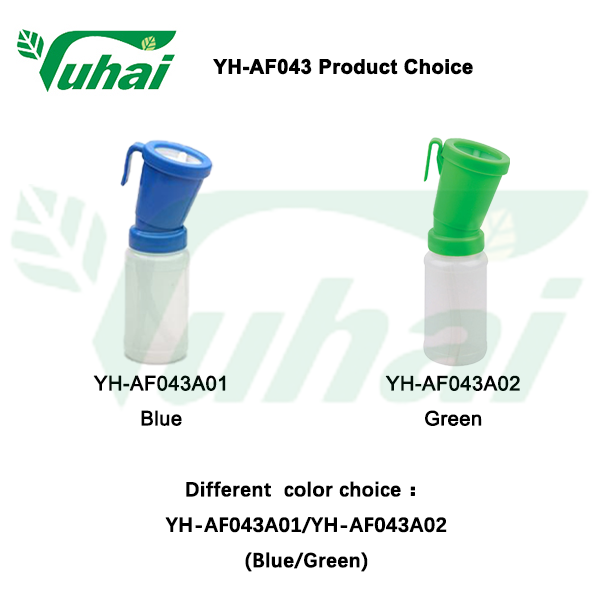
Կաթնատու ֆերմերների համար կաթնաստանի մաքրությունը համարվում է համատարած առողջության և կաթի որակի պահպանման ամենակարևոր գործոններից մեկը: կաթնամբուղ հիմնարար գործիք է այս գործընթացում, որն օգտագործվում է կաթնավերման առաջ և հետո՝ կաթնաստամբի դեզինֆեկտանտի կիրառման և մաստիտի ու բակտերիալ աղտոտման ռիսկի նվազեցման համար: Այնուամենայնիվ, չնայած իր պարզությանը, դիպ բաժակը ֆերմայում ամենաշատ սխալ օգտագործվող սարքերից մեկն է: Տեխնիկայի, սպասարկման կամ ապրանքի ընտրության փոքր սխալները կարող են աննկատ ձախողել ամբողջ կաթնաստամբի սանիտարական ծրագիրը, ինչը հանգեցնում է վարակների աճին, կաթի վերադարձի նվազմանը և ավելցուկային վետերինարական ծախսերին:
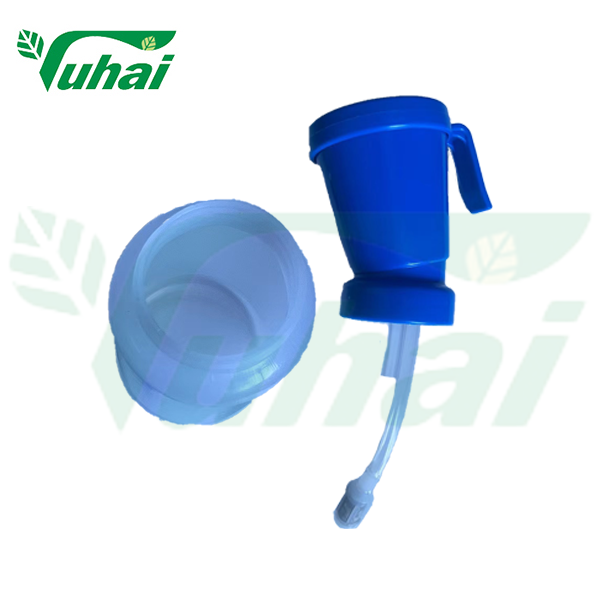
Հասկանալը, թե որտեղ են ֆերմերները սովորաբար սխալվում դիպ բաժակի օգտագործման ժամանակ՝ և ինչպես կարելի է ուղղել այդ սխալները, անհրաժեշտ է ցանկացած մեկի համար, ով լուրջ է վերաբերվում կովերի կաթնաստամբի առողջության կառավարմանը: Այս հոդվածը վերլուծում է իրական ֆերմաներում հաճախ հանդիպող սխալները և տրամադրում է գործնական, իրագործելի ուղեցույցներ՝ օգնելու ձեզ առավելագույնս օգտագործել յուրաքանչյուր դիպ բաժակի կիրառումը: Արդյոք ձեր հերթը փոքր է, թե մեծ առևտրային կաթնատու ֆերմա, այս տեղեկությունները կօգնեն ձեզ կառուցել ավելի համաստեղ և արդյունավետ կաթնաստամբի սանիտարական ռեժիմ:
Սխալ դիպ բաժակի ընտրություն տվյալ խնդրի համար
Նախնական կամ հետնական դիպինգի համար սխալ բաժակի ձևավորման օգտագործում
Գյուղատնտեսների կողմից կատարվող առաջին սխալներից մեկը բոլոր դիպ բաժակների ձևավորումները դիտարկելն է որպես փոխանակելի։ Իրականում տարբեր բաժակների ձևավորումները ծառայում են տարբեր նպատակների։ Օրինակ՝ հակահետադարձ դիպ բաժակը մշակված է հատուկ այն նպատակով, որ օգտագործված լուծույթը չվերադառնա պահեստավորման տարայի մեջ, ինչը կարևոր է լուծույթի ամբողջականությունը պահպանելու համար հետնական դիպինգի ժամանակ։ Հետնական դիպինգի համար հիմնարար բաց տիպի բաժակի օգտագործումը թույլ է տալիս աղտոտված հեղուկին կրկին մտնել տարայի մեջ՝ տարածելով բակտերիաները մեկ կուրծքից մյուսին։
Այն գյուղատնտեսները, որոնք չեն տարբերակում բաժակների տեսակները, հաճախ կիրառում են աղտոտված դեզինֆեկտանտ, ինչը վերացնում է ամբողջ հիգիենիկ միջոցի նպատակը։ Դիպ բաժակ ընտրելիս միշտ համապատասխանեցրեք նրա ձևավորումը կաթնավերման ընթացակարգի տվյալ փուլին։ Կաթնավերման հետո կիրառման համար, երբ խաչային աղտոտման ռիսկը ամենաբարձրն է, ուժեղացված առաջարկվում է հակահետադարձ փականի ձևավորումը։
Նյութի ընտրությունը նույնպես կարևոր է: Սննդի համար թույլատրված PP պլաստմասսայից պատրաստված խցանավոր բաժակը քիմիական դիմացկունություն է ցուցաբերում և մեծ ճկունություն՝ առանց փոխազդելու սովորական յոդի կամ խլորհեքսիդինի հիմնված լուծույթների հետ: Անհամատեղելի նյութերից պատրաստված բաժակի ընտրությունը կարող է աստիճանաբար առաջացնել նյութի քայքայում, որն իր հերթին կարող է հանգեցնել միկրոճեղքերի առաջացման, որոնք կարող են պահել բակտերիաներ և վնասել գործիքի կառուցվածքային ամրությունը:
Ուշադրության չդարձնել տարողությունը և էրգոնոմիկան
Դիպ բաժակի ընտրության մեկ այլ անտեսված ասպեկտը տարողությունն է: Չափազանց փոքր բաժակը կարիք ունի մշտական վերալիցքավորման կաթնավարման ընթացքում, ինչը замեդանում է աշխատանքային գործընթացը և մեծացնում է խցանման քայլերը բաց թողնելու հավանականությունը: 300 մլ տարողությամբ դիպ բաժակը ընդհանուր առմամբ լավ է հարմարվում շատ կաթնատնտեսությունների պահանջներին՝ ապահովելով բավարար ծավալ բավարար թվով կենդանիների հետ աշխատելու համար՝ առանց մշտական ընդմիջումների:
Էրգոնոմիկան նույնպես դեր է խաղում համասեռության ապահովման մեջ: Վատ ձևավորված թափանցման բաժակը, որը դժվար է բռնել կամ ճիշտ անկյունով դասավորել, հանգեցնում է կոնտակտի ամբողջական բացակայությանը կաթնատարի ծայրի հետ: Երբ գործիքը անհարմար է, ֆերմերները հաճախ շտապում են թափանցման գործընթացում, ինչը հանգեցնում է դեզինֆեկտանտի և կաթնատարի մակերևույթի միջև մասնակի կոնտակտի: Կաթնատարին հարմար չափի բացվածք ունեցող և լավ ձևավորված բռնակ ունեցող թափանցման բաժակի ընտրությունը խթանում է ճիշտ տեխնիկայի կիրառումը և ամեն անգամ ամբողջական ծածկույթի ստացումը:
Թափանցման ընթացքում սխալ կիրառման տեխնիկա
Անբավարար կաթնատարի ծածկույթ
Նույնիսկ ճիշտ թափանցման բաժակի առկայության դեպքում սխալ կիրառման տեխնիկան կաթնատարի հիգիենայի ծրագրերում ձախողման ամենատարածված պատճառներից մեկն է: Ամենահաճախ հանդիպող սխալը անբավարար ծածկույթն է՝ դեզինֆեկտանտի կիրառումը կաթնատարի միայն մասի վրա, այլ ոչ թե ամբողջ մակերևույթի, ներառյալ կաթնատարի ծայրը: Կաթնատարի ծայրը մաստիտ առաջացնող պաթոգենների հիմնական մուտքի կետն է, ուստի այս կրիտիկական գոտում ամբողջական ծածկույթի բացակայությունը կենդանուն թողնում է վտանգի տակ:
Ճիշտ տեխնիկան պահանջում է, որ ֆերմերը կաթնածողը լրիվ մարսի մեջ կաթնամբուղ , ապահովելով, որ լուծույթը հպվի կաթնածողի ամբողջ մակերեսին՝ հիմքից մինչև ծայրը: Դա նշանակում է բաժակը ճիշտ անկյունով թեքել և մի պահ պահել տեղում, այլ ոչ թե պարզապես հպել կաթնածողի ծայրին ու շարժվել առաջ: Այս քայլի շտապելը կաթնածողի հիգիենայի ծրագրերի ակնկալված արդյունքներ չտալու ամենատարածված պատճառներից մեկն է:
Ճիշտ դիպ բաժակի օգտագործման տեխնիկայի վերաբերյալ կաթնավարման աշխատակիցների վերապատրաստումը նույնքան կարևոր է, որքան ճիշտ սարքավորումների առկայությունը։ Նույնիսկ փորձառու աշխատակիցները ժամանակի ընթացքում կարող են ձեռք բերել վատ սովորույթներ, հատկապես մեծ ծավալով կաթնավարման ժամանակ, երբ հոգնածությունը միանում է։ Պարբերաբար դիտելը և վերապատրաստումները օգնում են պահպանել համաստեղության մեջ միասնական ստանդարտները։
Նախնական կամ հետկաթնավարման դիպի բացակայություն
Որոշ ֆերմերներ օգտագործում են թաղման բաժակը միայն կաթնավարման հետևանքով դեզինֆեկցիայի համար և ամբողջովին բաց են թողնում նախաթաղման փուլը, կամ հակառակը: Երկու փուլերն էլ ունեն իրենց հստակ նպատակները և չպետք է դիտվեն որպես ընտրովի: Նախաթաղումը թաղման բաժակով օգնում է հեռացնել շրջակա միջավայրի բակտերիաները կուրծքի մակերեսից՝ մինչև կաթնավարման սարքի միացումը, ինչը նվազեցնում է աղտոտիչների կաթի մեջ ներմուծման ռիսկը: Հետթաղումը փակում է կուրծքի անցքը կաթնավարման հետո, երբ այն մնում է բաց և հատկապես վտանգված բակտերիաների ներթափանցման նկատմամբ:
Ցանկացած մեկի բաց թողնումը ստեղծում է հիգիենայի պրոտոկոլում ճեղք, որը հնարավորություն է տալիս պաթոգեններին օգտագործել այն: Հետազոտությունները համապատասխանաբար ցույց են տալիս, որ այն ֆերմաները, որոնք օգտագործում են ինչպես նախաթաղումը, այնպես էլ հետթաղումը ճիշտ պահպանվող թաղման բաժակով, նոր մաստիտի վարակների ավելի ցածր մակարդակ են ցուցադրում, քան այն ֆերմաները, որոնք օգտագործում են միայն մեկ փուլ: Թաղման բաժակը այնքան է արդյունավետ, որքան է այն ներառված իր պրոտոկոլի մեջ:
Թաղման բաժակի մաքրման և պահպանման անտեսում
Օգտագործման միջև հազվադեպ մաքրում
Դիպ բաժակը, որը սովորաբար չի մաքրվում, դառնում է աղտոտման աղբյուր՝ այլ ոչ թե հիգիենիկ միջոց։ Շատ ֆերմերներ օրվա վերջում մաքրում են բաժակը, սակայն չեն մաքրում այն մանրակրկիտ կաթնավարման սեսիաների կամ առանձին կենդանիների միջև։ Բաժակի ներսում և հակահոսքի փականի մեխանիզմում կուտակվում են օրգանական նյութեր, կաթի մնացորդներ և բակտերիաներ, ստեղծելով պաթոգենների պաշար, որը ուղղակիորեն կիրառվում է կաթնագեղձի մակերեսին։
Լավագույն պրակտիկան այն է, որ դիպ բաժակը մաքրել և սանիտարակել առնվազն մեկ անգամ յուրաքանչյուր կաթնավարման սեսիայի ընթացքում, ինչպես նաև հակահոսքի փականը ստուգել կանոնավորապես՝ համոզվելու համար, որ այն ճիշտ է աշխատում։ Եթե փականը բաց է մնացել կամ մասամբ արգելակված, դա կարող է առաջացնել հակահոսքի աղտոտում կամ լուծույթի հոսքի սահմանափակում, և երկու դեպքում էլ վնասվում է դիպ բաժակի կիրառման արդյունավետությունը։
Մաքրումը պետք է ներառի տաք ջրով լվացում՝ հետևողականորեն սանիտարակման լուծույթի օգտագործմամբ, որը համապատասխանում է բաժակի նյութին: Խուսափեք աբրազիվ մաքրման միջոցներից, որոնք կարող են գծագրել PP պլաստմասսայե բաժակի ներքին մակերեսը, քանի որ գծագրումները ստեղծում են միկրոսկոպիկ գերեզմաններ, որտեղ բակտերիաները կարող են մնալ նույնիսկ մաքրումից հետո:
Մաշված կամ վնասված բաժակների փոխարինման չառնելը
Գյուղատնտեսները հաճախ շարունակում են օգտագործել բաժակը շատ ավելի երկար, քան նրա օգտակար ծառայության ժամկետն է: ճեղքերը, գունային փոփոխությունները, ձևաբեկումը կամ անդարձելի կափակի անսարքությունը բոլորը ցույց են տալիս, որ բաժակը պետք է փոխարինվի: Ճեղքված բաժակը չի կարող ճիշտ սանիտարակվել և կարող է պահպանել բակտերիաների մշտական գաղութներ՝ անկախ նրանից, թե որքան հաճախ է այն մաքրվում:
Դիպ բաժակի փոխարինման ծախսը նվազագույն է մեկ մաստիտի դեպքի բուժման ծախսի համեմատ։ Շաբաթական սկզբում յուրաքանչյուր դիպ բաժակի ֆիզիկական վնասվածքների ստուգման ռեժիմի սահմանումը օգնում է վաղ հայտնաբերել խնդիրները՝ նախքան դրանք ազդելը համայնքի առողջության վրա։ Պահելով պահեստային բաժակներ ձեռքի տակ՝ հնարավոր է վնասված բաժակը անմիջապես փոխարինել՝ չընդհատելով կաթնավերման ռեժիմը։
Դեզինֆեկտանտի լուծույթի կառավարման սխալներ
Սխալ կոնցենտրացիաների օգտագործում
Բաժակը արդյունավետ է այնքան, որքան դրա մեջ պարունակվող լուծույթը: Շատ տարածված սխալ է կաթնածողի լուծույթների սխալ կոնցենտրացիայով պատրաստումը՝ կա՛մ չափազանց նոսր, որը անարդյունավետ է, կա՛մ չափազանց խիտ, որը կարող է առաջացնել կաթնածողի մաշկի քայքայում և ճեղքեր: Երկու ծայրահեղությունն էլ վնասակար են: Նոսր լուծույթները չեն կարող ոչնչացնել հարուցիչներին, իսկ չափազանց խիտ լուծույթները վնասում են կաթնածողի մաշկի պաշտպանական շերտը, ինչը հակասականորեն մեծացնում է վարակման հավանականությունը:
Միշտ հետևեք արտադրողի նշված տրամաչափերին՝ օգտագործվող կոնկրետ կոթունների լվացման միջոցի տարբերակման համար և լուծույթների պատրաստման ժամանակ օգտագործեք կալիբրված չափման սարք։ Լուծույթի կոնցենտրացիայի մոտավորական որոշումը զբաղված ֆերմաներում այնքան էլ հազվադեպ չէ, և սա ամենահեշտ սխալներից մեկն է, որը կարելի է վերացնել ճիշտ չափման սարքավորումների փոքր ներդրմամբ։
Լուծույթի երկար ժամանակ թափանցելը լվացման բաժակում
Մեկ այլ հաճախակի սխալ այն է, որ օրվա սկզբում լվացման բաժակը լցվում է լուծույթով և նույն լուծույթը օգտագործվում է մի քանի կաթնավերացման սեսիաների ընթացքում՝ առանց նրա թարմացման։ Ժամանակի ընթացքում կոթունների լվացման լուծույթների ակտիվ բաղադրիչները քայքայվում են, հատկապես երբ ենթարկվում են օրգանական նյութերի, լույսի և ջերմաստիճանի տատանումների ազդեցությանը։ Առավոտյան կաթնավերացման սկզբում արդյունավետ լուծույթը կարող է օրվա երեկոյան սեսիայի ժամանակ զգալիորեն կորցնել իր արդյունավետությունը։
Դիպ բաժակը պետք է դատարկվի, մաքրվի և լցվի թարմ լուծույթով յուրաքանչյուր կաթնավարման սեսիայի սկզբում: Ցանկացած լուծույթ, որը մնում է սեսիայի ավարտին, պետք է վերացվի՝ այն չպահելով բաժակում հետագա օգտագործման համար: Այս պարզ կանոնավորությունը ապահովում է, որ յուրաքանչյուր կաթնագեղձի մաշկի վրա յուրաքանչյուր անգամ կիրառվի ճիշտ խտությամբ և անախտահարված դիզինֆեկտանտ, որն ապահովում է լրիվ պաշտպանություն:
Մեծ քանակությամբ կաթնագեղձի դիզինֆեկտանտի լուծույթի պահպանումը նույնպես կարևոր է: Խտացված արտադրանքները պետք է պահվեն կնքված տարաներում՝ ուղղակի արեւային լույսից և չափազանց բարձր կամ ցածր ջերմաստիճաններից հեռու: Դեգրադացված խտացված լուծույթը արդյունավետ չի լինի աշխատանքային լուծույթների ստացման համար՝ անկախ նրանից, թե որքան հիմար է դիպ բաժակի օգտագործումը:
Կաթնավարման թիմի մեջ անհամապատասխան պրոտոկոլներ
Ստանդարտացված ընթացակարգերի բացակայություն
Գյուղատնտեսական տնտեսություններում, որտեղ կա մի քանի մասնագետ, ովքեր կատարում են կաթնավաժումը, դիպ-բաժակի օգտագործման անհամապատասխանությունը մեկ աշխատողից մյուսին է կարևոր և հաճախ թերագնահատված խնդիր: Մեկ աշխատողը կարող է ամբողջությամբ ծածկել կովի սուրակը, մյուսը՝ միայն շոշափել դրա ծայրը: Մեկը կարող է մաքրել բաժակը կենդանիների միջև, իսկ մյուսը՝ ոչ: Այս անհամապատասխանությունները նշանակում են, որ երամում որոշ կենդանիներ ստանում են արդյունավետ հիգիենիկ պաշտպանություն, իսկ մյուսները՝ ոչ, ինչը հերդում ստեղծում է անհամասեռ մաստիտի ռիսկ:
Դիպ-բաժակի օգտագործման գրավոր ստանդարտ գործողության ընթացակարգի մշակումը՝ ներառյալ լուծույթի պատրաստումը, կիրառման տեխնիկան, մաքրման հաճախականությունը և բաժակի փոխարինման չափանիշները, վերացնում է անորոշությունը և բոլոր թիմի անդամներին տրամադրում է պարզ հղումային կետ: Այս ընթացակարգի տեղադրումը կաթնավաժման պարապետում՝ աշխատանքի ընթացքում տեսանելի վայրում, ամրապնդում է հետևողականությունը՝ առանց անընդհատ վերահսկողության անհրաժեշտության:
Նոր աշխատակիցների անբավարար վերապատրաստում
Նոր կաթնավերման աշխատակիցները հատկապես հակ tendency են դիպ բաժակի սխալների, քանի որ նրանց չեն ցույց տվել ճիշտ տեխնիկան: Նոր աշխատակցին դիպ բաժակ տալը՝ առանց ճիշտ ցուցադրման և ենթադրելով, որ նա ինքնուրույն կհասկանա, հանգեցնում է անհամաստեղծ սանիտարական արդյունքների: Նույնիսկ նախկին ֆերմայի փորձ ունեցող աշխատակիցները կարող են նախկին աշխատատեղերում սովորել սխալ սովորույթներ:
Կառուցվածքավորված ներմուծման գործընթացը, որը ներառում է ճիշտ դիպ բաժակի օգտագործման գործնական ցուցադրում և հետագա վերահսկվող վարժություն, զգալիորեն նվազեցնում է սխալների ամրապնդվելու և սովորույթի վերածվելու ռիսկը: Նոր աշխատակիցներին առաջին կաթնավերման սեսիաների ընթացքում զուգավորելը փորձառու աշխատակիցների հետ թույլ է տալիս տեխնիկայի իրական ժամանակում ճշտում կատարել՝ մինչև խնդիրների առաջացումը: Սկզբում վարժության վրա ծախսված ժամանակը և միջոցները հետագայում զգալիորեն խնայում են մաստիտի կառավարման վրա ծախսվող ժամանակն ու միջոցները:
Հաճախադեպ տրվող հարցեր
Որքան հաճախ պետք է մաքրեմ իմ դիպ բաժակը կաթնավերման ընթացքում:
Դիպ բաժակը պետք է մաքրվի և սանիտարակվի յուրաքանչյուր կաթնավաճառման սեսիայի սկզբում և կանոնավոր ստուգվի օգտագործման ընթացքում: Եթե նկատում եք տեսանելի աղտոտվածություն կամ լուծույթը փոխել է գույնը, անմիջապես մաքրեք և վերալիցքավորեք բաժակը: Ոչ վերադարձային փականներով մոդելների դեպքում յուրաքանչյուր մաքրման ժամանակ ստուգեք, որ փականը ճիշտ է աշխատում, որպեսզի կանխվի հետհոսքի առաջացած աղտոտվածությունը:
Կարո՞ղ եմ նախ- և հետկաթնավաճառման դիպ անելու համար օգտագործել նույն դիպ բաժակի լուծույթը:
Նախ- և հետկաթնավաճառման լուծույթները հաճախ տարբեր են ձևավորված: Նախկին դիպ արտադրանքները սովորաբար կենտրոնացված են կաթնավաճառման առաջ մաքրման և բակտերիաների քանակի նվազեցման վրա, իսկ հետկաթնավաճառման արտադրանքները ձևավորված են կաթնատար անցքը փակելու և կաթնավաճառման հետո պաշտպանիչ մի շերտ ստեղծելու համար: Երկու փուլերի համար նույն լուծույթի օգտագործումը կարող է նվազեցնել ձեր հիգիենայի ծրագրի արդյունավետությունը: Միշտ ստուգեք արտադրանքի պիտակը և խորհրդատվություն ստացեք ձեր վետերինարի կամ համայնքի առողջության խորհրդատուից՝ ձեր գործարանին հատուկ ուղեցույցների համար:
Ինչպե՞ս կարող եմ իմանալ, թե երբ է ժամանակը փոխելու իմ դիպ բաժակը:
Փոխարինեք ձեր թափանցման բաժակը, եթե նկատեք ճեղքեր, ձևափոխում, մշտական վառնափոխություն, որը չի լվացվում, կամ հետադարձ կափարիչ, որը կպած է, արտահոսում է կամ ճիշտ չի նստում: Ընդհանուր կանոնի համաձայն՝ շաբաթական մեկ անգամ ստուգեք յուրաքանչյուր թափանցման բաժակ և փոխարինեք ցանկացած բաժակ, որը ցույց է տալիս ֆիզիկական մաշվածության նշաններ: Հաշվի առնելով փոխարինման բաժակի ցածր արժեքը մաստիտի դեպքի արժեքի համեմատ, վաղաժամկետ փոխարինումը միշտ լավագույն որոշումն է:
Արդյո՞ք թափանցման բաժակի նյութը ազդում է դրա աշխատանքի վրա:
Այո, նյութը կարևոր է: Սննդի համար թույլատրված PP պլաստմասսայից պատրաստված թափանցման բաժակ լավ քիմիական դիմացկունություն է ցուցաբերում տարածված կոնտակտային լուծույթների նկատմամբ, այդ թվում՝ յոդի և խլորհեքսիդինի հիմնված միջոցների, և բավարար մեխանիկական ամրություն ունի օրական ֆերմային օգտագործման համար: Խուսափեք այն բաժակներից, որոնք պատրաստված են քիմիական ազդեցության նկատմամբ չթույլատրված նյութերից, քանի որ դրանք ժամանակի ընթացքում կարող են քայքայվել, լուծույթի մեջ արտահանել ցանկալի չլինող միացություններ և մակերեսային վնասվածքներ ձեռք բերել, ինչը դժվարացնում է հիմնավոր մաքրումը: