
 EN
EN



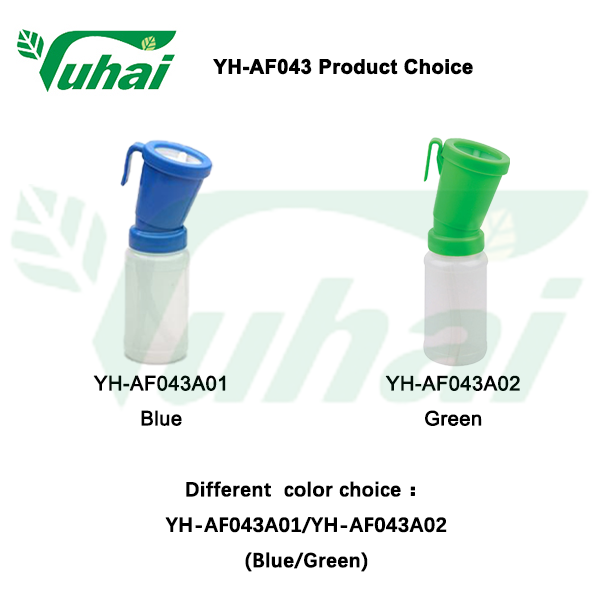
Bacterial contamination in cow milk is one of the most persistent challenges facing dairy producers worldwide. From somatic cell counts to mastitis-causing pathogens, the cleanliness of the teat before and after milking has a direct and measurable impact on milk quality. One of the most effective tools developed to address this problem is the dip cup, a purpose-engineered device that delivers teat disinfectant with consistency, precision, and minimal cross-contamination risk. Understanding how this tool functions within a hygiene protocol helps explain why it has become a standard item in modern dairy herd management.
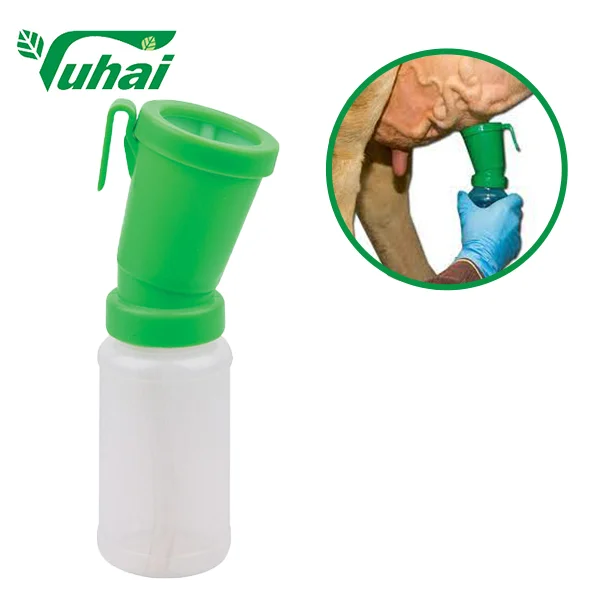
The mechanics behind a dip cup are deceptively simple, yet the design principles embedded in a well-manufactured unit address critical contamination vectors that older methods routinely missed. Whether applied as a pre-dip to prepare the teat canal or a post-dip to seal it after milking, the dip cup ensures that the disinfectant solution reaches the teat end with controlled contact and without the recycling of contaminated fluid back into the reservoir. This article explores the specific pathways through which a dip cup reduces bacterial contamination in cow milk, covering design, workflow integration, herd-level impact, and practical selection considerations.
The Contamination Problem: Why Teat Hygiene Matters at the Source
How Pathogens Enter the Milk Supply
Bacterial contamination of cow milk most commonly originates at the teat canal, the narrow passage through which milk is expressed during milking. Environmental pathogens such as Escherichia coli, Streptococcus uberis, and Klebsiella species thrive in bedding, manure, and standing water. When teats are not properly disinfected before milking equipment is attached, these organisms are drawn directly into the milk stream, elevating total bacterial counts and increasing the risk of clinical and subclinical mastitis.
Contagious pathogens, including Staphylococcus aureus and Streptococcus agalactiae, spread from cow to cow largely through shared equipment or improper teat preparation. Without a reliable disinfection step, each milking event becomes a transmission opportunity. The teat end itself is a point of vulnerability because the sphincter muscle relaxes during milking, allowing bacteria present on the exterior teat skin to migrate inward. A properly designed dip cup reduces the microbial load on the teat surface before this opening occurs.
Post-milking contamination is equally significant. After the milking unit is removed, the teat sphincter remains partially relaxed for up to thirty minutes, creating a window during which environmental bacteria can colonize the teat canal. Post-milking disinfection using a dip cup applies a protective film of solution that acts as a chemical barrier during this critical period, substantially reducing new infection rates in the herd.
The Limitations of Traditional Teat Disinfection Methods
Before the dip cup became widely adopted, dairy workers commonly used spray bottles or shared communal dip containers. Spray bottles frequently failed to achieve full teat coverage, particularly at the teat end where bacterial concentration is highest. Wind, distance, and inconsistent application pressure all contributed to uneven disinfectant distribution, leaving portions of the teat surface untreated.
Communal teat dip containers posed a different but equally serious problem. Each time a teat was immersed, organic matter, bacteria, and soil were introduced into the shared solution. Over successive uses, the antimicrobial efficacy of the solution declined rapidly, and the container itself became a source of cross-contamination rather than a control measure. Regulatory bodies and dairy health researchers have consistently flagged this practice as incompatible with high-standard milk hygiene.
These limitations created clear demand for a device that could deliver fresh, uncontaminated disinfectant to each teat individually. The dip cup, specifically the non-return design, was developed as a direct answer to that demand, and its adoption across commercial and smallholder dairy operations has reshaped best-practice protocols globally.
How the Dip Cup Design Prevents Bacterial Recycling
The Non-Return Valve Mechanism
The defining feature of a modern dip cup is its non-return valve system. This internal valve ensures that liquid flows in only one direction: from the reservoir cup toward the teat. When the cup is pressed against the teat and then released, the valve prevents used solution from flowing back into the main reservoir. This one-way flow is the mechanical foundation of contamination prevention in teat disinfection.
Without this valve, any disinfectant that contacts the teat surface and absorbs organic matter, bacteria, or skin debris would return to the main reservoir upon cup withdrawal. That contaminated solution would then be applied to the next teat, defeating the entire purpose of the disinfection step. The non-return mechanism isolates each application event, ensuring that the solution contacting each teat is drawn fresh from the reservoir rather than recycled from previous contact.
This engineering detail directly reduces herd-level bacterial transmission. In herds with high somatic cell counts or active mastitis cases, using a dip cup with a reliable non-return valve prevents the milker from inadvertently spreading infection from infected teats to healthy ones during the same milking session. It is a passive safety mechanism that works regardless of worker technique or attention level.
Material Selection and Its Antimicrobial Relevance
The material from which a dip cup is manufactured affects both its hygienic performance and its operational longevity. Polypropylene, commonly referenced as PP plastic, is a preferred material in professional-grade dip cup designs because of its chemical resistance to the acidic and alkaline disinfectants commonly used in teat dipping protocols. Iodine-based solutions, chlorhexidine, and lactic acid formulations can degrade certain plastics over repeated use, compromising the cup's structural integrity and potentially leaching harmful residues into the disinfectant.
A dip cup constructed from high-quality PP plastic maintains its dimensional stability through repeated use and washing cycles. This matters because dimensional changes in the cup body or valve seat can create gaps where bacterial biofilms establish themselves between milking sessions. A cup that retains its precise internal geometry is easier to clean completely and provides a more consistent seal against the teat, ensuring full contact between the disinfectant and the teat surface.
Eco-friendly PP formulations also address concerns about plastic waste in dairy operations, which are increasingly subject to environmental scrutiny. A dip cup that is both durable and made from recyclable-grade material aligns hygiene goals with broader sustainability commitments, a growing consideration among premium dairy producers and cooperative standards bodies.
Integration Into Pre-Dip and Post-Dip Protocols
Pre-Dip Application: Preparing the Teat Before Milking
The pre-dip step is performed immediately before attaching the milking unit. The goal is to reduce the bacterial population on the teat skin and the teat end, preventing those organisms from entering the milk stream once the teat canal opens during milking. A dip cup used for pre-dipping typically holds a germicidal solution that achieves broad-spectrum kill within a thirty-second contact window.
The physical design of the dip cup ensures that the entire teat, from the base to the orifice, is immersed in fresh solution. This full-contact immersion is significantly more effective than topical spraying, particularly for removing organic contamination from the teat end. After the prescribed contact time, the teat is wiped dry with an individual paper or cloth towel before the milking unit is applied, preventing disinfectant residues from entering the milk.
Consistency is the operational advantage of the dip cup in the pre-dip step. Because the device standardizes the volume of solution delivered and the contact method used, variation between individual milkers is substantially reduced. In large herds where multiple workers share milking duties across different shifts, this consistency is essential to maintaining uniform milk quality across all animals.
Post-Dip Application: Sealing the Teat After Milking
Post-milking teat disinfection is widely regarded by dairy veterinarians and extension specialists as the single most impactful intervention for reducing new intramammary infections. Immediately after the milking unit is removed, the dip cup is used to coat the teat with a barrier-forming solution, typically containing iodine, glycerin, or similar film-forming agents. This coating physically blocks environmental bacteria from entering the relaxed teat sphincter.
The dip cup enables the milker to deliver this solution accurately and quickly, which is important in high-throughput milking parlors where each second of cycle time is economically significant. Unlike spray systems that require careful aim and adjustment for each animal, the dip cup is positioned by feel and pressed firmly against the teat for a controlled application, regardless of teat length, position, or animal movement.
When used consistently in the post-dip step across an entire milking herd, the dip cup contributes to measurable reductions in bulk tank somatic cell count over a matter of weeks. Dairy operations that have adopted structured post-dip protocols with a properly designed dip cup frequently report significant improvements in milk quality scores, a direct economic benefit in markets where premium pricing is linked to low somatic cell count thresholds.
Herd-Level Impact on Milk Quality and Mastitis Rates
Reduction in New Intramammary Infection Rates
Research consistently demonstrates that structured teat dipping programs using a dip cup reduce the rate of new intramammary infections by a substantial margin compared to herds using no disinfection or inconsistent spray-based methods. The reduction is most pronounced for environmental mastitis pathogens, which are the dominant cause of milk quality problems in pasture-based and confinement systems during wet or hot weather periods.
In practical herd management terms, fewer new infections mean fewer cows requiring antibiotic treatment, fewer cows with elevated somatic cell counts, and fewer instances of discarded milk due to antibiotic withdrawal periods. Each of these outcomes represents both a welfare improvement and a direct financial benefit to the producer. The dip cup is not an incidental hygiene accessory; it is a core component of mastitis control economics.
The dip cup also plays a preventive role in herds transitioning between seasons or management systems. During the dry-off period, when cows are most susceptible to new infection establishment, the use of a dip cup as part of a final pre-dry-off milking routine reduces the pathogen load at the teat end before teat sealant application, improving the effectiveness of the overall dry cow program.
Impact on Bulk Tank Bacterial Counts and Regulatory Compliance
Bulk tank bacterial counts are the most commercially visible measure of milk hygiene for dairy producers. Milk processors, cooperatives, and regulatory agencies set thresholds for total bacterial count and somatic cell count above which milk is penalized or rejected. A dairy operation that introduces a disciplined dip cup protocol as part of every milking routine typically observes a measurable reduction in both indicators within the first one to two months of consistent application.
The dip cup contributes to this outcome through two mechanisms simultaneously: it reduces the pathogen load entering the milk during milking via the pre-dip step, and it reduces the incidence of subclinical mastitis over time through the post-dip step. Subclinical mastitis is particularly damaging to bulk tank somatic cell count because affected cows show no visible clinical signs yet shed large numbers of somatic cells into every milking.
Dairy operations that can demonstrate consistent use of certified dip cups as part of a documented hygiene protocol are also better positioned when seeking quality certification from premium buyers, export market access, or welfare-linked payment schemes. The dip cup, as a traceable, standardized input, becomes part of the farm's quality assurance evidence trail rather than just an operational tool.
Selecting the Right Dip Cup for Effective Contamination Control
Key Design Features to Evaluate
Not all dip cup designs deliver equal performance. When selecting a dip cup for a dairy operation, the integrity and reliability of the non-return valve should be the primary evaluation criterion. A valve that fails or stiffens over time will either allow contaminated solution to return to the reservoir or will deliver insufficient solution to the teat surface, both of which undermine the hygiene objective. The valve mechanism should be simple to inspect, easy to disassemble for cleaning, and demonstrably robust under daily commercial use conditions.
The cup capacity is another practical consideration. A dip cup with approximately 300ml capacity provides sufficient volume for a full milking session on a mid-sized herd without constant refilling, while remaining lightweight enough for one-handed operation over an extended milking period. Ergonomic grip design reduces milker fatigue and improves the likelihood that the cup is applied consistently and correctly across all animals in the herd.
Compatibility with the disinfectant solutions used on the farm should also be verified before committing to a specific dip cup model. Some solutions have concentrations or chemical compositions that degrade lower-grade plastics or rubber valve components. Confirming that the cup's construction materials are rated for the specific disinfectant chemistry in use protects both the investment in equipment and the integrity of the disinfection process itself.
Maintenance Practices That Preserve Hygienic Function
A dip cup is only as effective as its maintenance routine allows. After each milking session, the cup and its valve components should be fully disassembled, rinsed with warm water to remove disinfectant residues and organic matter, and allowed to dry completely before refilling. Disinfectant solutions left standing in a dip cup between milkings can degrade in potency, particularly iodine-based formulas exposed to light or temperature fluctuation.
Periodic inspection of the valve for wear, cracking, or deformation is essential. In high-throughput operations where each dip cup is used on dozens of cows per session, valve components experience significant mechanical stress. Establishing a routine replacement schedule for wear components, rather than waiting for visible failure, prevents contamination events caused by valve malfunction during active milking.
Training milking staff on both the correct technique for applying the dip cup and the importance of post-session cleaning reinforces the device's contribution to milk hygiene. Even the most technically sophisticated dip cup will fail to deliver its contamination-reduction potential if it is used incorrectly, inadequately cleaned, or filled with a poorly mixed disinfectant solution. The dip cup is a system component, and its effectiveness depends on the entire system around it being managed with the same level of discipline.
FAQ
What makes a non-return dip cup more hygienic than a standard open teat dip container?
A non-return dip cup uses a one-way valve that prevents used solution from flowing back into the reservoir after each teat application. This eliminates the recycling of contaminated solution from one teat to the next, which is the primary contamination risk of open shared containers. Each teat effectively receives fresh solution, making the dip cup a significantly more hygienic delivery method in active milking environments.
How often should the disinfectant solution in a dip cup be replaced during a milking session?
The solution in a dip cup should be replaced whenever it becomes visibly discolored, cloudy, or contaminated with organic material, or at minimum at the halfway point of a large herd milking session. In high-challenge environments such as wet weather or loose housing systems, more frequent solution changes maintain disinfectant efficacy. Always follow the disinfectant manufacturer's guidance on working solution stability and replacement intervals.
Can the same dip cup be used for both pre-dip and post-dip applications?
It is generally recommended to use separate dip cups for pre-dip and post-dip applications because the two steps typically use different solutions with different formulations and purposes. Pre-dip solutions are fast-acting germicidal formulas, while post-dip solutions are often barrier-forming and emollient-rich. Using dedicated, clearly labeled cups for each step prevents accidental mixing of incompatible solutions and maintains the intended function of each protocol step.
How does consistent dip cup use affect bulk tank somatic cell count over time?
Consistent application of both pre-dip and post-dip protocols using a dip cup reduces new intramammary infections, which are the primary driver of elevated somatic cell counts. As fewer cows develop subclinical mastitis over time, the average somatic cell count across the milking herd declines, and this improvement is reflected in bulk tank measurements. Most dairy operations implementing a structured dip cup protocol observe statistically meaningful improvements in bulk tank somatic cell count within four to eight weeks of consistent use.
Table of Contents
- The Contamination Problem: Why Teat Hygiene Matters at the Source
- How the Dip Cup Design Prevents Bacterial Recycling
- Integration Into Pre-Dip and Post-Dip Protocols
- Herd-Level Impact on Milk Quality and Mastitis Rates
- Selecting the Right Dip Cup for Effective Contamination Control
-
FAQ
- What makes a non-return dip cup more hygienic than a standard open teat dip container?
- How often should the disinfectant solution in a dip cup be replaced during a milking session?
- Can the same dip cup be used for both pre-dip and post-dip applications?
- How does consistent dip cup use affect bulk tank somatic cell count over time?