
 EN
EN



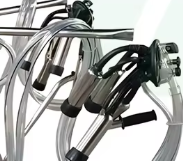
How Pneumatic Pulsator Design Drives Milking Speed and Consistency
The Optimal 60/40 Pulsation Ratio and Its Impact on Milk Flow Velocity
The 60/40 pulsation ratio works like this: 60% of the time there's vacuum suction extracting milk from the cow, then 40% rest period where the milking cup collapses slightly. This method has been scientifically proven effective for dairy cows and is recommended by groups like the International Dairy Federation. Most farms in Europe and North America follow these guidelines for their milking equipment. When everything works right during milking, the steady vacuum helps open those tiny milk channels in the udder, allowing milk to flow out at around 4 to 6 liters per minute. What happens during that rest phase matters just as much though. The brief collapse of the milking liner actually helps restore blood flow to the teat end, keeps swelling down, and maintains the flexibility of the tissue. These things are really important for keeping milk production high and preventing mastitis issues throughout the lactation period. Traditional pneumatic systems tend to be better at maintaining this precise rhythm compared to newer electronic controllers which sometimes get out of sync over time. Research shows that if farmers mess with the ratio too much, say going to 70/30 instead, the cows start showing signs of tired teats much sooner. Milk flow drops by about a fifth within just 90 seconds of continuous milking when using improper ratios.
Vacuum Stability: How Reliability Minimizes Fluctuations During Cluster Attachment
How stable the vacuum stays when attaching clusters makes all the difference for efficient milking operations. Good quality pneumatic pulsators keep vacuum levels within half a kilopascal of what they should be, thanks to those tough diaphragms that resist corrosion and those finely tuned air valves. And this matters because if liners slip during setup, air gets in which causes big problems. Lower end systems can see vacuum drops over 2 kPa from these issues. When that happens, it takes an extra 8 to 12 seconds just to get attached properly, and around 14 percent of cows don't get fully milked out based on checks from actual dairy farms. Pneumatic systems handle things better than their electronic counterparts too. They just don't care about humidity changes, temperature extremes, or power fluctuations like electronics do, so farmers know what to expect no matter what season it is. All told, this means about 19 fewer manual adjustments needed each day, faster overall milking times, and cows producing consistently throughout the day while keeping their teats healthy and intact.
Quantifying Time Savings: Real-World ROI of Upgrading to a High-Performance Pneumatic Pulsator
Field Evidence: 9.3% Average Reduction in Milking Time Across 12 EU Dairy Farms
In 2024, researchers looked at 12 dairy farms throughout Europe and found that installing better quality pneumatic pulsators cut down milking time by about 9.3% on average. The main reason? These systems maintain stable vacuum levels when the clusters are attached, plus they keep that important 60/40 pulsation pattern consistent throughout. This means fewer times when milk flow gets interrupted and no need to stop and adjust things halfway through milking. Take a typical farm with 500 cows - those extra minutes add up to around 28 hours saved each week. That's real money saved on labor costs per liter of milk produced and allows farmers to process more milk overall during their working day. What's interesting is how these findings match up with what the American Society of Agricultural and Biological Engineers has been saying all along in their standard ASABE S578.2. They've always emphasized vacuum stability and accurate pulsation rates as key indicators of whether a milking system is actually efficient or not.
Secondary Gains: Labor Efficiency, Somatic Cell Count Reduction, and Udder Health Correlation
Farms saw not just time saved but also better labor efficiency overall, around 15% improvements because workers didn't have to mess with clusters so much manually anymore. What really stood out was that 11 out of 12 farms saw their somatic cell counts drop between 12 and 18% over six months. The Journal of Dairy Science mentioned back in 2023 that keeping vacuum pressure steady helps prevent damage to teats and lets cows own defenses work better, which explains those lower SCC numbers. For every 100,000 cells per mL reduction in SCC, farmers lose about 1.5% less milk from problems like mastitis where milk gets thrown away or downgraded. Throw in longer lasting equipment when folks actually follow manufacturer repair guides and do regular upkeep, and all these factors together mean farmers get their money's worth faster while also seeing healthier herds down the road.
Why Pneumatic Pulsators Outperform Vacuum and Electronic Alternatives for Time-Critical Milking
Response Lag and Duty Cycle Constraints in Non-Pneumatic Systems Under High-Throughput Demand
Traditional non-pneumatic systems just can't keep up when things get busy on the farm. Electric actuators typically take around 2 to 5 seconds between cycles because they need time for signals to process and motors to catch up. Vacuum systems have their own problems too, struggling to rebuild pressure after clusters detach quickly. When dealing with herds over 200 head, all these little delays stack up and can eat away at milking time by as much as 15%. That's where pneumatic pulsators shine. These air-powered units respond in under a second flat and keep right on going no matter how often they're used or what the weather throws at them. Built tough for real world conditions, they handle temperature extremes from below freezing to well over heat lamp territory and don't care if power fluctuates like most electronics would shut down or start acting wonky. Farmers who run multiple milking sessions straight through prefer pneumatics for exactly this reason - they simply don't quit when push comes to shove in those hectic high volume operations.
Sustaining Time Efficiency: Maintenance Practices That Preserve Pneumatic Pulsator Performance
Preventive Maintenance Schedules and OEM Repair Kit Utilization for Long-Term Reliability
Getting good results over time really comes down to sticking with regular maintenance routines. Farmers need to check those air tight seals every month, make sure the diaphragms are still intact, and test how consistently the pulsation cycles work. A calibrated pulsation tester helps here if one is available. Using genuine repair kits from manufacturers keeps everything compatible and maintains those factory settings for vacuum performance. Farms that follow original equipment manufacturer recommendations for replacements see about 72 percent fewer breakdowns than places waiting until something breaks before fixing it. Lubricating all those moving parts regularly and keeping air paths clean stops dust and wet air from wearing things down prematurely. These simple steps help keep that 9.3% improvement in milking time after upgrading systems going strong, without driving up costs in the long run. The ASABE standard EP470.3 makes it clear that proper maintenance isn't just extra work it's actually essential for making sure modern milking equipment performs as promised according to energy efficiency guidelines.
Frequently Asked Questions
What is a pneumatic pulsator?
A pneumatic pulsator is a device used in milking machines that uses air pressure to create a pulsating vacuum, allowing milk to be extracted from a cow efficiently.
Why is the 60/40 pulsation ratio significant?
The 60/40 pulsation ratio allows for an optimal balance between milk extraction and rest, promoting efficient milk flow and maintaining udder health.
How do pneumatic pulsators compare to electronic systems?
Pneumatic pulsators are often more reliable and consistent compared to electronic systems, especially under varying environmental conditions and high-throughput situations.
What maintenance is required for pneumatic pulsators?
Regular maintenance includes checking airtight seals, testing pulsation cycles, and using OEM repair kits to ensure the longevity and performance of pneumatic pulsators.
What are the benefits of upgrading to high-performance pneumatic pulsators?
Upgrading can lead to reduced milking time, better labor efficiency, lower somatic cell counts, and improved overall udder health.
Table of Contents
- How Pneumatic Pulsator Design Drives Milking Speed and Consistency
- Quantifying Time Savings: Real-World ROI of Upgrading to a High-Performance Pneumatic Pulsator
- Why Pneumatic Pulsators Outperform Vacuum and Electronic Alternatives for Time-Critical Milking
- Sustaining Time Efficiency: Maintenance Practices That Preserve Pneumatic Pulsator Performance
- Frequently Asked Questions