
 EN
EN



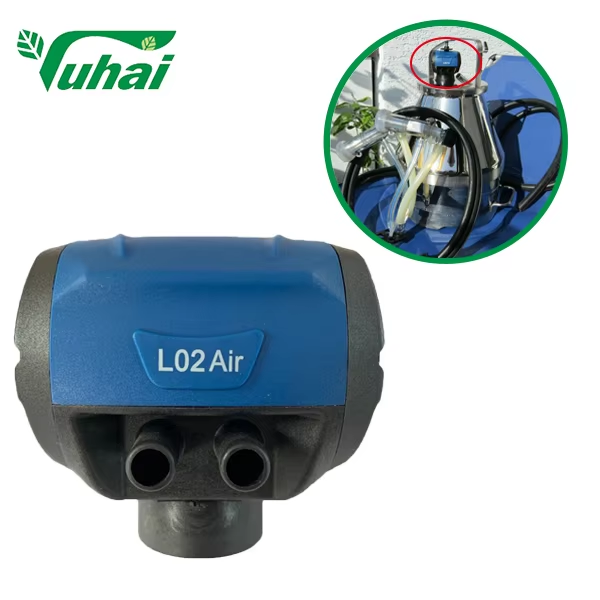
What Is a Pneumatic Pulsator? Core Function and Vacuum Cycling Principle
Definition and Role of the Pneumatic Pulsator in Modern Milking Systems
The pneumatic pulsator acts like the heart of any automated milking system, controlling how pressure moves back and forth between the teat cups and the cow's udder area. These electro-pneumatic devices work by switching between vacuum and regular air pressure, kind of like how baby calves naturally nurse from their mothers. This helps get the milk out efficiently without hurting the sensitive tissue. What makes these pulsators so important is that they tackle two big problems at once. First, they help prevent that rough skin buildup on teats called hyperkeratosis by giving them periodic breaks from constant pressure. Second, they keep the milk flowing consistently throughout the process. Today's models can switch modes in less than half a second, which means smooth transitions when moving from massaging to actual milking. Another benefit worth mentioning is that these systems take away the need for farmers to manually adjust things during milking, reducing injury risks while still allowing for fine tuning based on what each particular herd needs most.
How the Pneumatic Pulsator Alternates Vacuum and Atmospheric Pressure
When the machine starts running, compressed air gets into the pulsator chamber which makes those diaphragms work their magic by changing how pressure moves around. During milking time, there's usually about 40 to 50 kilopascals of vacuum pulling those rubber parts down so they open up the teat channels for milk removal, taking up roughly two thirds of the whole process. Then comes what we call the rest period, where regular air pressure takes over instead of vacuum, making those same rubber parts collapse back in and gently massage the end of each teat during the last forty percent of the cycle. This downtime is actually really important because it helps get blood flowing properly again through tiny vessels and stops things from getting backed up. There are sensors built right into the system too that keep an eye on everything working correctly, adjusting automatically whenever pressure changes go beyond plus or minus five kilopascals. Because of all this monitoring and adjustment stuff, milk flow stays pretty consistent across different groups of cows, with variations staying under just 2% most of the time.
How the Pneumatic Pulsator Protects Teat Health and Optimizes Milk Extraction
Liner Movement Dynamics: Massage vs. Milk Ejection Phases
Pneumatic pulsators control how teat liners move by cycling vacuum pressure precisely. When milking happens, the vacuum pulls open the liners so milk can flow out. Then comes the massage part where atmospheric pressure pushes the liners back together, giving those teats a gentle squeeze that helps blood vessels refill and cuts down on swelling. A study from last year found that when these massage periods happen regularly instead of randomly, swelling goes down by around 27%. That Journal of Dairy Science paper really drives home why this matters. The back and forth motion stops the vacuum from staying on too long, something that actually leads to fluid building up in tissues and ultimately lowers milk production over time.
Preventing Teat End Damage, Hyperkeratosis, and Mastitis Risk
Consistent liner massage mitigates three major risks:
- Teat-end hyperkeratosis: Rough keratin deposits decrease by 40% with optimized pulsation (Dairy Health Quarterly, 2023)
- Mastitis susceptibility: Incomplete massage raises bacterial ingress risk by 35%
- Vascular damage: Cyclic rest periods maintain capillary integrity
A single mastitis case costs dairy farms $740 annually in lost yield and treatments (Ponemon Institute, 2023). Proper pneumatic pulsation curbs these losses through physiological alignmentâbalancing extraction efficiency with tissue recovery. Farms using ISO-compliant pulsators report 18% lower somatic cell counts, confirming direct health benefits.
Key Operational Parameters: Timing, Ratio, and Compliance with Industry Standards
Understanding the 60/40 Pulsation Ratio and Its Physiological Rationale
The 60/40 pulsation ratio, which means 60% vacuum time and 40% rest period, has become standard across the industry for pneumatic pulsators because it works well with how cow udders function physiologically. The timing pattern actually mirrors what happens during natural calf nursing. When there's enough vacuum applied, milk flows out through the teat canal properly. And those rest periods between vacuum applications are important too since they let blood flow back into the area and help tissues recover. If this balance gets messed up, problems start appearing at the teat ends. Research published in the Dairy Science Review back in 2022 found that when rest times fall under 35%, cases of hyperkeratosis jump by about 22%. That kind of damage can really impact both animal comfort and milk quality over time.
Impact of Deviations (e.g., 50/50 or 70/30) on Udder Health and Yield
Changing the pulsation ratios has a real impact on both milk production and the health of the udders. When we go for that 50/50 split, it actually makes those rest periods too long, which cuts down milk flow by around 15% and keeps the milking units running longer than necessary. On the flip side, going all out with 70/30 cycles causes problems for the tissues. The cows don't get enough time to recover, and this triples the chances of getting mastitis because bacteria find their way in through stressed teat canals. Look at farms that stick strictly to the recommended 60/40 ratio though, they tend to see about 18% fewer somatic cells in their milk samples. This shows that finding the right balance between these ratios helps protect against long term damage while still keeping things productive.
Real-World Impact: Performance Benefits of Reliable Pneumatic Pulsators on Dairy Farms
Case Evidence: Enhanced Milking Efficiency and Reduced Somatic Cell Counts
Studies in the field have shown that when farms upgrade to better pneumatic pulsators, they see improvements in both how fast cows are milked and the overall health of their udders. Many dairy operations that switched to these precision timed pulsation systems found milk coming out about 15 to maybe even 20 percent quicker. The reason? The liners move consistently throughout the cycle, kind of like how calves naturally suckle. This makes a big difference for large herds where time matters a lot, cutting down on the number of hours needed each day and saving money on labor costs. What's interesting is the connection between steady pulsation patterns and lower somatic cell counts in milk samples. Those cells are basically markers for milk quality. Farms keeping their pulsation at around 60 seconds on and 40 off saw roughly 25% fewer SCCs compared to places with all over the map settings. Lower SCC means less mastitis problems because the teats don't get stressed as much during milking. All these factors together mean farmers can charge more for their milk and keep their herds producing well over time.
FAQ
1. What is the primary function of a pneumatic pulsator in milking systems?
The primary function of a pneumatic pulsator in milking systems is to control the alternating pressure between vacuum and atmospheric conditions at the teat cups, facilitating efficient milk extraction while protecting sensitive udder tissue.
2. How do pneumatic pulsators prevent hyperkeratosis?
Pneumatic pulsators help prevent hyperkeratosis by providing regular breaks from constant vacuum pressure, promoting natural recovery periods for the teat tissue, reducing rough keratin buildup.
3. What is the significance of the 60/40 pulsation ratio?
The 60/40 pulsation ratio (60% vacuum, 40% rest) is crucial because it mirrors natural nursing patterns, ensuring proper milk flow and allowing sufficient recovery time for udder tissues, maintaining cow health.
4. How do deviations from the recommended pulsation ratio affect udder health?
Deviations such as 50/50 or 70/30 ratios impact milk production and udder health by either prolonging rest periods excessively or insufficiently, affecting milk flow, tissue recovery, and increasing mastitis risk.
5. What are the benefits of upgrading to reliable pneumatic pulsators?
Upgrading to reliable pneumatic pulsators enhances milking efficiency, reduces labor costs, decreases somatic cell counts, and lowers mastitis risk, leading to better overall udder health and milk quality.
Table of Contents
- What Is a Pneumatic Pulsator? Core Function and Vacuum Cycling Principle
- How the Pneumatic Pulsator Protects Teat Health and Optimizes Milk Extraction
- Key Operational Parameters: Timing, Ratio, and Compliance with Industry Standards
- Real-World Impact: Performance Benefits of Reliable Pneumatic Pulsators on Dairy Farms