
 EN
EN


Core Components and Technical Design of a Cow Milking Machine
Key components of a dairy cow milking machine: from claw to milk line
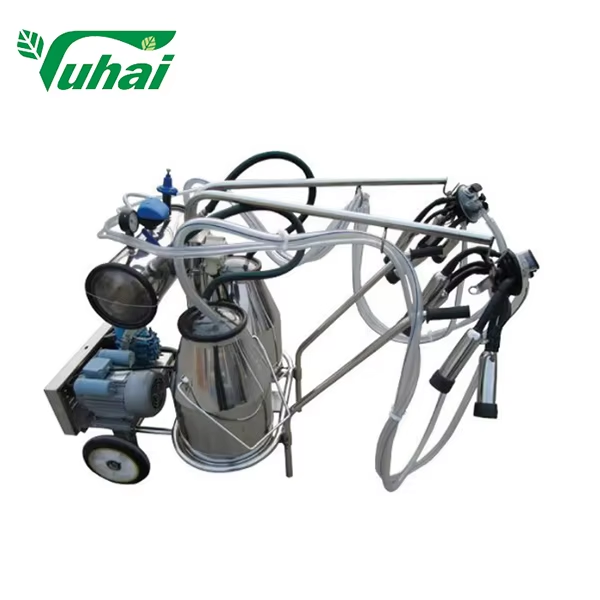
Getting familiar with what makes up a dairy cow milking machine really helps when someone wants to buy one. At the heart of it are those teat cups that clip onto the udder, linked together by something called a milk claw which gathers milk from each of the four quarters on the cow. All these parts hook up to the main milk line tubing that carries everything over to where the milk gets stored in tanks. What's interesting is how this whole setup keeps things clean during operation too, so there's less risk of contamination messing up the quality of the milk produced.
The role of the pulsator in maintaining teat health and consistent vacuum pressure
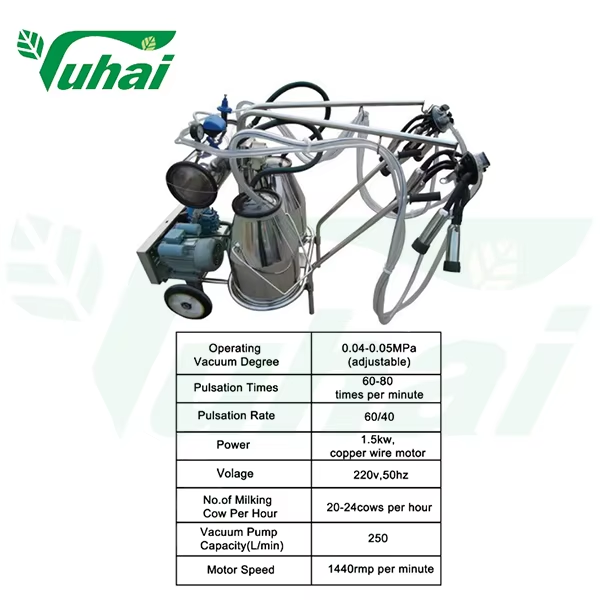
At the core of any milking setup sits the pulsator, which controls vacuum levels to mimic how calves naturally nurse from their mothers. The device switches back and forth between actual milking action and short breaks, usually somewhere around 50 to 60 times each minute. This rhythm helps protect the cow's teats from injury while making sure all the milk gets extracted properly. When everything works right, good pulsation keeps those delicate teat canals healthy and makes the whole milking process work better. Most dairy farms follow these principles because they know it's not just about getting milk out faster but also about keeping cows comfortable and productive over time.
Vacuum pump types and their impact on system reliability and performance
The milking system runs on vacuum pumps, and farmers typically choose between two main types: rotary vane and diaphragm pumps. The rotary vane models work better for big dairy farms since they're more efficient, though they need regular servicing to keep running smoothly. Diaphragm pumps are another option, especially for smaller herds. These tend to run quieter and don't need as much maintenance, which makes life easier for farm managers who want something reliable without constant repairs. Keeping the vacuum level steady around 12 to 15 inches of mercury is really important too. This range helps milk flow properly while keeping cows comfortable during milking time. Farmers who get this right see better results from their equipment over the long haul.
Automation Levels and System Types: From Manual to Robotic Milking
Comparative analysis of pipeline, parlor, and automatic milking systems (AMS)
The selection of a proper milking system really comes down to three main factors: how big the herd is, what kind of barn or facility exists, and what the farm's management objectives actually are. Pipeline systems tend to work well for tie-stall barn operations where milk flows straight from each stall into a central collection jar. Then there are parlor systems like the classic herringbone layout or the rotating ones that handle lots of cows at once in purpose built milking parlors. Automatic milking systems, often called robotic milkers these days, take things to another level altogether. These advanced setups let cows come and go as they please for milking sessions with very little need for farmers to get involved hands on. Looking at all options, farms will find differences not just in how much work they save but also upfront investment costs and whether the system can grow along with expanding herds over time.
Productivity gains through smart technology integration in modern cow milking machine setups
Smart tech boosts productivity when it comes to tracking milk output, checking conductivity levels which can signal mastitis problems early on, plus keeping tabs on how long each cow takes during milking sessions. All this information helps dairy farmers stay ahead of potential health issues in their herds, tweak feeding strategies based on actual needs, and make better choices about breeding stock. The automation aspect means less time spent manually collecting data points, cutting down on mistakes people might make while recording numbers by hand. For many farm operations, these smart systems translate into real savings over time as they streamline daily tasks and allow workers to focus on other critical aspects of running a successful dairy business.
Smart Technology and Data-Driven Herd Management
Smart technology features (sensors, app integration, data monitoring) for real-time herd management
Today's milking machines come equipped with sensors that monitor important health indicators for cows including their body temps and movement patterns. When something looks off, farmers get notifications right on their phones through various apps. All this collected data gets stored in cloud systems so ranchers can check current numbers or look back at past records whenever they need. They're able to see everything from daily milk output to changes in udder health over time. The whole system works pretty well for catching problems early on before they become serious issues. For instance, if a cow starts showing signs of mastitis or just isn't producing normally, the farmer knows almost immediately and can take action. This helps keep animals healthier overall while also making day to day management much smoother for dairy operations big and small.
Data-driven decision-making using integrated milk yield and health analytics
Integrated analytics transform raw sensor data into actionable insights. Farmers can identify productivity trends, detect illness early, and refine breeding programs based on accurate, evidence-based information. Studies show that farms using data-driven tools achieve higher labor productivity and operational efficiency, demonstrating how analytics directly enhance herd performance and profitability.
Hygiene Standards, Milk Quality, and System Cleanability
Milk quality and hygiene: The importance of food grade standard materials
The right materials matter a lot when it comes to keeping milk safe and maintaining its quality throughout processing. Most dairy operations go with stainless steel for parts that come into contact with milk because it doesn't rust easily, has a smooth surface, and cleans up pretty well. The way stainless steel works helps prevent bacteria from sticking around on equipment surfaces, which means less chance of contamination happening. This makes milk last longer before going bad and keeps everything within what regulators require. When dairy farms use equipment made according to proper food grade specifications, they cut down on the risk of microbes getting into the milk during collection and processing stages. Many farmers have noticed this makes a real difference in product quality over time.
ISO 5707 compliance as a benchmark for international safety and efficiency
ISO 5707 is the international benchmark for milking equipment, setting requirements for vacuum stability, pulsation accuracy, and teat-end protection. Systems meeting this standard ensure animal welfare, consistent performance, and reduced risk of infection. Compliance signals reliability and global market readiness, making it a key consideration when evaluating equipment options.
Design features that prevent contamination and support rapid cleaning cycles
Effective hygiene design includes smooth, crevice-free surfaces, self-draining components, and accessible inspection points. These features enable thorough sanitation between milking sessions, reducing biofilm buildup and minimizing cleaning time. Well-designed systems support fast, reliable cleaning cycles, lowering water and chemical use while maintaining premium milk quality standards.
Cost, Scalability, and Long-Term Value Considerations
Cost, budget, and price range considerations based on farm scale and automation
The cost of getting started depends a lot on farm size and how automated things need to be. For smaller farms with around 10 to 20 cows, basic bucket systems usually run somewhere between $2k and $8k. When we look at medium sized operations handling 50 to 100 head, farmers generally shell out anywhere from $15k to $40k for pipeline installations. Then there are the big boys running 200 plus cows who often find themselves facing price tags starting at $80k and going well over $200k for those fancy automated parlors. While the initial investment seems steep, many dairy owners report cutting down their labor needs by almost half after switching to automation. Plus, milk production tends to go up anywhere from 25% to 30% once these systems are fully operational.
Total cost of ownership: maintenance, spare parts, and manufacturer support
The real long term value comes down to what it costs to own over time. Maintenance alone eats up around 5 to 10 percent of the original price each year. Rubber components need replacing roughly every six to twelve months too, plus there's all that vacuum pump servicing work. Equipment from manufacturers who stand behind their products tends to sit idle much less often. Some studies show these systems have about 60% fewer days offline when spare parts are easy to get. And let's not forget energy costs either. The newer variable speed vacuum pumps actually save businesses between 30 and 50% on electricity bills compared with older fixed speed versions. Makes sense why so many operators are making the switch nowadays.
Herd size and scalability: choosing expandable systems for future growth
When thinking about scalability for dairy operations, it really needs to match what the farm can handle now plus where it might be headed down the road. Most experienced operators suggest leaving around 20 to 30 percent headroom just in case things grow faster than expected. Going modular makes sense because farms can simply add more milking units or automate certain processes as needed, which tends to save money compared to buying entirely new equipment later on. For places that know they'll expand eventually, sticking with standard parts that work across different stations is smart planning. Otherwise, trying to retrofit old systems later often costs between 40 and 60 percent of what a completely new setup would have cost initially. That kind of expense adds up fast when budgets are tight.
FAQ
How does a pulsator benefit milking machines?
A pulsator mimics a calf's natural nursing rhythm, alternating between milking action and breaks. It helps prevent teat injury and maintains healthy teat canals.
What are the types of vacuum pumps used in milking machines?
The two main types are rotary vane and diaphragm pumps, with rotary vane being efficient for large farms and diaphragm pumps being quieter for smaller herds.
How does smart technology enhance milking operations?
Smart technology provides real-time data through sensors, app integration, and cloud storage, allowing farmers to monitor herd health and optimize productivity.
Why is stainless steel preferred in milking equipment?
Stainless steel is rust-resistant, smooth, and easy to clean, reducing bacterial contamination and enhancing milk quality during processing.
What is the significance of ISO 5707 compliance?
ISO 5707 compliance ensures animal welfare, consistent performance, and infection reduction, signaling reliability and market readiness for milking systems.
What factors influence the cost of a milking system?
Factors include farm size, automation level, initial investment, and long-term maintenance costs, impacting overall expenditure and productivity.
What are the key components of a cow milking machine?
The key components include teat cups, milk claw, main milk line tubing, and storage tanks, all designed to work together to ensure efficient milk extraction.