
 EN
EN




Modern dairy operations depend heavily on the reliable performance of milking equipment, and understanding how to identify and replace worn-out milking machine parts efficiently is critical for maintaining herd health, milk quality, and operational profitability. Equipment failures during milking can lead to incomplete milk extraction, increased somatic cell counts, and significant downtime that affects the entire dairy schedule. By implementing systematic inspection protocols and maintaining an organized replacement strategy, dairy managers can prevent unexpected breakdowns and ensure their milking systems operate at peak efficiency throughout the lactation cycle.
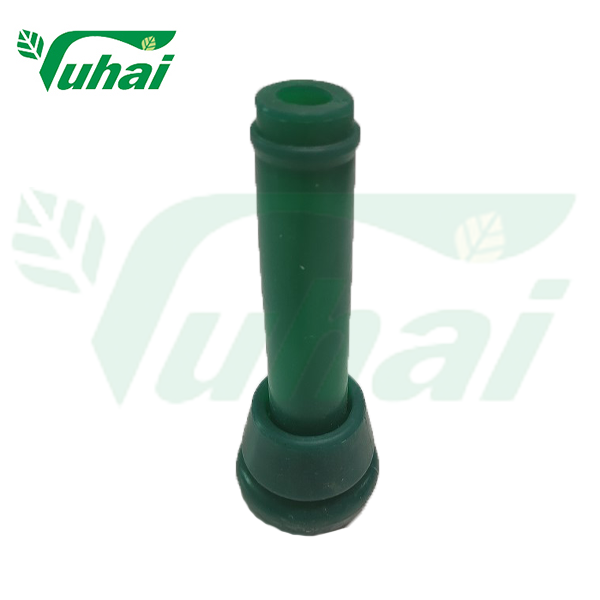
The process of identifying worn components before they fail requires both technical knowledge and practical observation skills developed through consistent equipment monitoring. Dairy operators who master the systematic approach to evaluating milking machine parts can significantly reduce maintenance costs, extend equipment lifespan, and maintain consistent milk production levels. This comprehensive guide walks you through the diagnostic techniques, replacement procedures, and preventive strategies that professional dairy technicians use to keep milking systems functioning reliably across herds of all sizes.
Understanding the Mechanical Wear Patterns in Critical Milking Components
How Rubber Components Deteriorate in Milking Systems
Rubber milking machine parts such as inflations, tubes, and gaskets represent the most frequently replaced components in any milking system due to their direct exposure to milk, cleaning chemicals, and mechanical stress. These elastomeric materials experience predictable degradation patterns that begin with surface changes and progress to structural failure. The liners that make direct contact with teats undergo constant flexing during pulsation cycles, which causes micro-cracks to develop in the rubber matrix over time. Chemical sanitizers used in CIP systems accelerate this deterioration by breaking down the molecular bonds that give rubber its elasticity and durability.
Visual inspection of rubber components should focus on specific wear indicators that signal the need for replacement. Surface cracking, sometimes called crazing, appears as fine lines across the rubber surface and indicates that the material has lost its flexibility. Hardening of rubber parts can be detected through tactile examination, as fresh rubber components maintain a supple feel while degraded materials become stiff and brittle. Swelling or distortion of rubber milking machine parts often results from incompatibility with specific cleaning chemicals or excessive exposure to heat during sanitization cycles. Dairy operators should maintain detailed replacement schedules for all rubber components, with typical liner replacement intervals ranging from 1,200 to 2,500 milkings depending on herd size and cleaning protocols.
Identifying Mechanical Failures in Pulsator Systems
Pulsators control the critical vacuum cycling that enables proper milk extraction while protecting teat health, making them among the most important milking machine parts to monitor for performance degradation. Mechanical pulsators contain moving components such as pistons, valves, and springs that wear gradually through millions of operational cycles. Electronic pulsators, while containing fewer moving parts, can experience circuit board failures, capacitor degradation, and sensor malfunctions that affect timing accuracy. Operators should listen carefully for changes in pulsation sound patterns, as irregular clicking, grinding noises, or silence where rhythmic operation should occur all indicate internal component failure.
Performance testing of pulsators requires specialized equipment but provides definitive data about operational status. A pulsation rate tester measures cycles per minute, revealing whether the unit maintains manufacturer specifications typically between 55-65 pulsations per minute. Pulsation ratio testing evaluates the percentage of time spent in the milk phase versus the rest phase, with standard ratios near 60:40 or 65:35 depending on system design. Deviation from specified parameters by more than 5% indicates internal wear that affects milking efficiency and teat condition. Dairy managers should establish quarterly pulsator testing protocols and maintain replacement inventory for these critical milking machine parts to minimize downtime when failures occur during milking operations.
Detecting Vacuum Pump Wear and Performance Decline
Vacuum pumps provide the fundamental power source for milking systems, and their gradual performance decline often goes unnoticed until serious efficiency losses occur. Oil-lubricated rotary vane pumps experience blade wear, rotor scoring, and housing degradation that reduces their ability to maintain consistent vacuum levels under load. Dry vacuum pumps develop clearance issues between moving surfaces and accumulate contamination that affects sealing efficiency. Regular monitoring of vacuum reserve capacity provides the most reliable indicator of pump condition, as this measurement reveals the system's ability to maintain target vacuum levels when maximum milking units operate simultaneously.
Physical inspection of vacuum pump components should occur during scheduled maintenance intervals and focus on specific wear indicators. Oil condition in lubricated systems reveals internal wear patterns, with metal particles indicating advanced bearing or blade deterioration requiring immediate attention. Unusual vibration or noise from the pump assembly suggests bearing wear, shaft misalignment, or imbalanced rotating components that will lead to catastrophic failure if left unaddressed. Temperature monitoring provides early warning of friction issues, with operating temperatures exceeding normal ranges by more than 10 degrees indicating insufficient lubrication or excessive mechanical wear. Dairy operations should maintain detailed performance logs for vacuum system components and schedule pump rebuilds or replacement based on operating hours rather than waiting for emergency failures that disrupt milking schedules.
Implementing Systematic Inspection Protocols for Preventive Maintenance
Creating Effective Visual Inspection Routines
Establishing daily visual inspection habits enables early detection of worn milking machine parts before they cause system failures or affect milk quality. Effective inspection protocols begin with clean equipment, as residue from milk and cleaning chemicals can obscure cracks, wear patterns, and other visual indicators of component deterioration. Operators should examine all visible rubber components for surface changes, checking liner barrels for cracks, milk tubes for brittleness, and clawpieces for distortion or damage. Metal components require inspection for corrosion, particularly at threaded connections, valve seats, and areas where dissimilar metals contact each other creating galvanic corrosion conditions.
Organizing inspection routines by equipment zone creates systematic coverage that prevents oversight of critical components. The milk reception area including clawpieces, short milk tubes, and air admission holes should receive attention before each milking session, as these milking machine parts directly affect milk quality and harvest completeness. The intermediate vacuum system including long milk tubes, pulsation tubes, and connections should undergo weekly detailed inspection focusing on connection integrity and tube condition. The machine room containing pumps, pulsators, vacuum regulators, and receiver jars requires monthly comprehensive examination of all mechanical and electrical components. Documentation of inspection findings creates accountability and provides historical data that reveals failure patterns specific to your operation's conditions and usage intensity.
Utilizing Performance Testing to Reveal Hidden Wear
Performance testing provides quantitative data about milking machine parts functionality that visual inspection alone cannot reveal. Vacuum level testing at multiple system points identifies restrictions, leaks, and inadequate reserve capacity that indicate component wear or system design problems. Proper testing requires accurate gauges positioned at the claw, the end of the milk line, and the vacuum source, with readings taken under both static and dynamic operating conditions. Significant variations between these measurement points reveal where system losses occur and guide targeted replacement of worn components.
Airflow testing measures system breathing capacity and reveals restrictions caused by scale buildup, damaged check valves, or collapsed vacuum lines that reduce milking efficiency. A properly functioning system should maintain manufacturer-specified airflow rates at designated vacuum levels, typically measured in cubic feet per minute at the receiver jar. Pulsation testing evaluates timing accuracy and pressure differentials that ensure proper liner compression and release cycles. Electronic test equipment provides precise measurements of these parameters, while manual testing methods using specialized gauges offer reliable alternatives for operations without access to advanced diagnostic tools. Regular performance testing should occur quarterly at minimum, with comprehensive testing conducted annually to establish baseline data for all critical milking machine parts and system parameters.
Establishing Component-Specific Replacement Schedules
Proactive replacement of milking machine parts based on service life expectations prevents unexpected failures and maintains consistent system performance. Manufacturer guidelines provide starting points for replacement intervals, but operational conditions including herd size, milking frequency, and cleaning chemical selection all affect actual component lifespan. Rubber liners typically require replacement every 1,200 to 2,500 milkings, with higher replacement frequencies necessary for herds milking three times daily or using particularly aggressive sanitizing chemicals. Tubes and hoses should follow similar replacement schedules, though those in less demanding positions may last longer before showing signs of deterioration.
Mechanical components operate on time-based rather than milking-based schedules, with pulsator rebuild or replacement recommended every 4,000 to 5,000 operating hours for mechanical units and 6,000 to 8,000 hours for electronic versions. Vacuum pump maintenance intervals depend on pump type, with oil-lubricated rotary vane pumps requiring vane replacement every 2,000 to 3,000 operating hours and complete rebuilds every 8,000 to 10,000 hours. Documentation systems that track operating hours, milking counts, and replacement dates enable managers to anticipate component failures and schedule maintenance during periods of lower operational demand. Creating standardized parts kits containing all components due for replacement during scheduled service intervals streamlines the maintenance process and ensures that worn milking machine parts receive timely replacement before affecting milk quality or system reliability.
Executing Efficient Replacement Procedures for Common Components
Proper Techniques for Liner and Inflation Replacement
Replacing liner assemblies requires attention to proper installation techniques that ensure optimal performance and prevent premature wear of new components. Before installing new liners, operators should thoroughly clean and inspect shells for cracks, distortion, or damage that could compromise liner seating and performance. Liner installation begins with correct orientation, as most modern liners feature directional design with specific head and base configurations. Lubricating the liner exterior with water or approved lubricant facilitates insertion into the shell without twisting or rolling the rubber, which can create stress points that lead to premature cracking.
Proper seating verification ensures that liners compress and release correctly during pulsation cycles, preventing liner slip and ensuring complete milk extraction. After insertion, operators should check that the liner head seats completely against the shell shoulder with no gaps or incomplete contact areas. The mouthpiece opening should align properly without twisting, and the liner base should extend through the shell bottom by the manufacturer-specified distance to ensure proper air admission function. Testing newly installed milking machine parts under operating vacuum before use confirms proper seating and reveals installation errors that could affect milking performance. Operators should replace complete sets of liners simultaneously rather than mixing old and new components, as inconsistent wear patterns between units can create imbalanced milking performance across the udder.
Rebuilding and Replacing Pulsator Assemblies
Pulsator maintenance represents a critical skill for dairy operators seeking to maintain consistent milking performance and minimize equipment costs. Mechanical pulsator rebuild kits contain all wear components including pistons, O-rings, springs, and valve seats that require periodic replacement to restore proper timing and pressure characteristics. Disassembly procedures vary by manufacturer but generally follow logical sequences that prevent part loss and ensure correct reassembly. Operators should work in clean environments and organize removed components in order of disassembly to facilitate proper reconstruction of these precision milking machine parts.
Cleaning all metal housing components during pulsator service removes accumulated contamination that affects sealing and operation. Inspection of housing bores, valve seats, and piston surfaces should identify any scoring, pitting, or corrosion that might prevent proper sealing even with new internal components. Reassembly requires careful attention to O-ring installation, ensuring that seals seat properly in their grooves without twisting or pinching. Lubrication of moving components with manufacturer-approved materials reduces initial break-in wear and ensures smooth operation. After reassembly, bench testing verifies proper pulsation rate and ratio before reinstalling the unit in the milking system, preventing the installation of improperly rebuilt components that could affect teat health and milk quality across the entire herd.
Systematic Tube and Hose Replacement Methods
Replacing tubes and hoses throughout the milking system requires systematic approaches that ensure all connections seal properly and the system operates without air leaks. Short milk tubes connecting clusters to milk lines should be replaced as complete sets to maintain consistent internal diameter and flow characteristics across all milking units. Before installing new tubes, operators should inspect all connection points including claw outlets, shut-off valve inlets, and milk line connections for damage or wear that could prevent proper sealing. Cleaning connection points removes milk stone and chemical residue that interferes with the seal between tube ends and fitting surfaces.
Installation technique significantly affects the longevity and leak-free performance of new milking machine parts. Tubes should be cut to proper length using sharp knives that create clean, square cuts without ragged edges or compression of the tube walls. Connection to barbed fittings requires firm pushing until the tube seats completely against the fitting shoulder, with the barbs clearly visible through translucent tube materials. Hose clamps should be positioned over the barbed section and tightened to manufacturer specifications, providing secure connection without excessive compression that could damage the tube or restrict flow. After installation, vacuum testing of the complete system reveals any leaks requiring connection adjustment or resealing. Documentation of tube replacement dates enables tracking of service life under actual operational conditions, allowing refinement of replacement schedules specific to your facility's usage patterns and chemical exposure.
Optimizing Inventory Management for Critical Replacement Parts
Identifying Essential Spare Parts for Stock Maintenance
Effective inventory management for milking machine parts balances the cost of carrying spare components against the operational losses from equipment downtime during part procurement. Essential inventory should include sufficient quantities of high-wear items to support emergency repairs without requiring expedited shipping or overnight delivery charges. A properly stocked parts inventory for a 100-cow dairy typically includes complete liner sets for all milking units plus 20% additional quantity, replacement tube sets including both short milk tubes and long milk lines, and at least one complete pulsator rebuild kit or replacement unit for each pulsator model in use.
Secondary inventory items include components with longer service lives but critical importance to continued operation. Vacuum pump oil, filters, and basic rebuild kits enable routine maintenance without service interruption. Gaskets, O-rings, and sealing components in various sizes address multiple connection points throughout the system. Clawpieces, shells, and other metal components with extended service lives require smaller inventory quantities but should be available to address unexpected failures. Organizing parts by system location or component type facilitates rapid location during maintenance activities, while maintaining detailed inventory records prevents stock depletion of critical milking machine parts that could halt operations if equipment failures occur between ordering and delivery periods.
Developing Supplier Relationships for Reliable Parts Availability
Establishing strong relationships with reliable parts suppliers ensures access to quality replacement components when needed while potentially securing favorable pricing through consistent purchasing patterns. Primary suppliers should maintain comprehensive inventories of milking machine parts specific to your equipment brands and models, reducing order fulfillment times and minimizing operational disruption from extended component unavailability. Supplier technical support capabilities provide valuable resources for diagnosing complex problems and identifying correct replacement parts when equipment issues arise outside normal business hours or during peak seasonal demands.
Evaluating supplier performance through metrics including order accuracy, delivery timeliness, and product quality enables objective comparison and informed supplier selection decisions. Documentation of parts failures including premature wear or manufacturing defects helps identify quality issues with specific suppliers or component brands, guiding future purchasing decisions toward more reliable options. Maintaining relationships with multiple suppliers for critical components provides supply chain redundancy that protects operations from single-source disruptions due to inventory shortages, supplier business changes, or shipping delays. Regular review of parts pricing across suppliers ensures competitive procurement costs while balancing price considerations against quality, availability, and technical support factors that affect total cost of ownership for milking machine parts across complete service lifecycles.
Implementing Parts Tracking Systems for Maintenance Planning
Digital or manual tracking systems that document parts installation dates, replacement frequencies, and failure patterns provide data-driven insights for optimizing maintenance schedules and inventory management. Simple spreadsheet-based systems can effectively track liner replacement dates for each milking unit, tube installation records by system section, and pulsator service histories with rebuild dates and component replacement details. More sophisticated maintenance management software offers automated scheduling, parts usage reporting, and predictive analytics that forecast future component needs based on historical replacement patterns and equipment operating hours.
Tracking systems should capture sufficient detail to support meaningful analysis without creating excessive administrative burden that discourages consistent data entry. Essential information includes component identification, installation date, expected service life, actual replacement timing, and failure mode if applicable. This data enables calculation of actual service lives for milking machine parts under specific operational conditions, allowing refinement of replacement schedules beyond generic manufacturer recommendations. Pattern analysis reveals whether specific equipment locations experience accelerated wear requiring more frequent replacement or operational modifications to extend component life. Historical parts consumption data supports budget forecasting and helps justify equipment upgrades when aging systems require excessive maintenance spending to maintain acceptable reliability levels.
Enhancing Longevity Through Proper Cleaning and Maintenance Practices
Chemical Compatibility and Its Impact on Component Life
Cleaning chemical selection significantly affects the service life of rubber and metal milking machine parts throughout the system. Alkaline detergents break down milk fats and proteins but can accelerate rubber degradation when used at excessive concentrations or temperatures. Acid cleaners remove milk stone and mineral deposits but may attack metal components and rubber seals when contact times or concentrations exceed manufacturer recommendations. Proper chemical dilution following label instructions balances effective cleaning against material compatibility, extending component service life while maintaining sanitation standards required for quality milk production.
Temperature management during cleaning cycles affects both sanitation effectiveness and component longevity, with water temperature requiring careful control throughout the wash process. Initial rinses using lukewarm water around 95-110°F remove milk residue without heat-setting proteins onto component surfaces. Detergent wash cycles typically operate between 120-140°F to activate cleaning chemicals while remaining below temperatures that accelerate rubber deterioration. Final rinses using cooler water conserve energy and reduce thermal stress on milking machine parts. Monitoring actual water temperatures rather than relying on water heater settings ensures that cleaning cycles operate within optimal ranges, as seasonal variations, simultaneous water usage, and heater aging all affect delivered temperatures during critical cleaning phases.
Preventive Maintenance Procedures That Extend Component Life
Regular lubrication of mechanical components prevents accelerated wear caused by metal-to-metal contact and reduces the frequency of major repairs or complete replacement. Vacuum pump oil changes following manufacturer schedules remove contamination and maintain lubrication film strength that protects internal surfaces from scoring and excessive friction. Pulsator lubrication points require periodic attention using appropriate lubricants that maintain sealing properties while reducing friction between moving surfaces. Door hinges, shut-off valves, and other mechanical interfaces throughout the system benefit from scheduled lubrication that maintains smooth operation and prevents seizure from corrosion or contamination buildup.
Calibration verification for pressure regulators, vacuum controls, and pulsation timing ensures that all system components operate within design parameters that optimize both milking performance and equipment longevity. Vacuum levels above manufacturer specifications increase mechanical stress on all milking machine parts and may cause teat damage affecting herd health. Pulsation rates or ratios outside optimal ranges create abnormal wear patterns on liners and reduce milking efficiency. Regular calibration checks using accurate test equipment identify drift from proper settings before performance degradation becomes noticeable, allowing minor adjustments that prevent accelerated component wear. Documentation of calibration results creates performance history that reveals degradation trends requiring component replacement or system modifications to restore proper operation.
Environmental Factors Affecting Equipment Durability
Storage conditions for spare milking machine parts significantly affect their condition and service life after installation. Rubber components deteriorate from exposure to sunlight, ozone, and temperature extremes even before installation, with improper storage potentially reducing usable service life by 30% or more. Ideal storage locations provide cool, dark, dry conditions away from electric motors, welding equipment, and other ozone sources that attack rubber molecular structures. Parts should remain in original packaging until needed, as manufacturer packaging typically provides protection from environmental degradation during storage periods.
Installation environment affects operational component longevity through exposure to contaminants, temperature variations, and physical damage from facility conditions. Dairy parlors with poor ventilation or high ammonia levels from inadequate manure management accelerate corrosion of metal components and degradation of rubber parts throughout the milking system. Physical protection of exposed milking machine parts from animal contact, equipment impacts, and aggressive washing during facility cleaning prevents premature damage requiring early replacement. Climate control in equipment rooms housing vacuum pumps, pulsators, and electronic controls extends component life by maintaining stable temperature and humidity conditions that prevent condensation, corrosion, and electrical problems. Investment in proper facility design and environmental control pays dividends through extended equipment life and reduced maintenance costs across complete system lifecycles.
FAQ
How often should rubber liners be replaced in a commercial dairy operation?
Rubber liners in commercial dairy operations should typically be replaced every 1,200 to 2,500 milkings depending on herd size, milking frequency, and cleaning chemical intensity. For a dairy milking twice daily, this translates to approximately every 2-4 months. Operations milking three times daily should replace liners more frequently, while single-milking operations may extend intervals slightly. However, visual inspection remains critical as some conditions such as aggressive sanitizer use or poor water quality may accelerate deterioration and require more frequent replacement than standard schedules suggest.
What are the most reliable indicators that a pulsator needs replacement or rebuilding?
The most reliable indicators that milking machine parts like pulsators require service include changes in audible pulsation rhythm with irregular clicking or grinding sounds, pulsation rate variations exceeding 5% from manufacturer specifications when measured with test equipment, visible milk climbing into short pulse tubes indicating inadequate rest phase vacuum levels, and inconsistent milking performance with incomplete milk extraction or extended milking times. Additionally, if routine cleaning reveals heavy contamination inside pulsator housings or if units exceed manufacturer-recommended operating hours, preventive rebuilding prevents unexpected failures during critical milking periods.
Can mixing different brands of replacement parts cause system performance problems?
Mixing different brands of milking machine parts can potentially cause performance issues due to dimensional variations, material differences, and design incompatibilities between manufacturers. While some generic components work satisfactorily, critical items like liners must match shell dimensions precisely to ensure proper compression and release characteristics. Pulsator components should remain brand-specific as internal tolerances affect timing accuracy and pressure development. When considering alternative brands, consult with equipment dealers or manufacturers about compatibility, and conduct performance testing after installation to verify that mixed components maintain system specifications for vacuum levels, pulsation parameters, and milk flow characteristics.
What documentation should be maintained for equipment maintenance and parts replacement?
Comprehensive documentation for milking machine parts maintenance should include installation dates for all major components, replacement schedules with actual service life achieved, performance test results including vacuum levels and pulsation parameters measured quarterly, parts inventory records tracking stock levels and usage rates, failure incident reports describing problems and corrective actions taken, and equipment operating hour logs for mechanical components like vacuum pumps. This documentation supports warranty claims, enables calculation of actual parts costs for budgeting purposes, identifies premature failure patterns requiring operational changes, and provides historical data that informs decisions about equipment upgrades or system modifications to improve reliability and reduce maintenance expenses over time.
Table of Contents
- Understanding the Mechanical Wear Patterns in Critical Milking Components
- Implementing Systematic Inspection Protocols for Preventive Maintenance
- Executing Efficient Replacement Procedures for Common Components
- Optimizing Inventory Management for Critical Replacement Parts
- Enhancing Longevity Through Proper Cleaning and Maintenance Practices
-
FAQ
- How often should rubber liners be replaced in a commercial dairy operation?
- What are the most reliable indicators that a pulsator needs replacement or rebuilding?
- Can mixing different brands of replacement parts cause system performance problems?
- What documentation should be maintained for equipment maintenance and parts replacement?