
 EN
EN



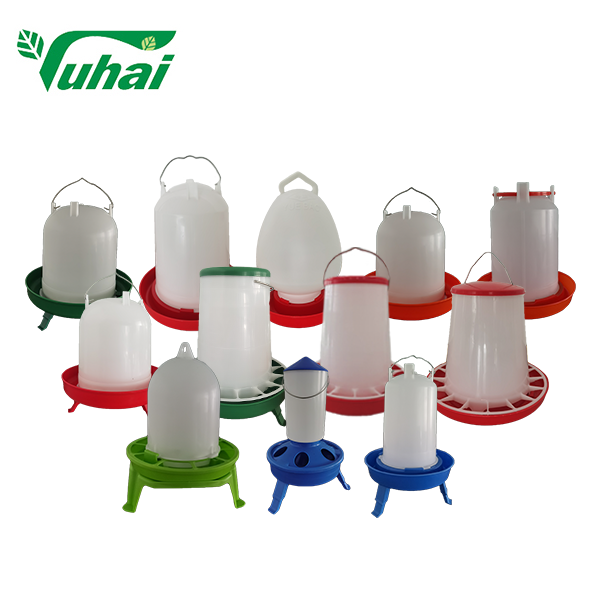
Selecting the right chicken feeder is one of the most practical decisions a poultry keeper makes. Whether you manage a backyard flock of five birds or a larger farm operation, the chicken feeder you choose directly affects how much feed is wasted, how often you refill it, and how healthy your birds remain. A poorly matched chicken feeder leads to overcrowding at feeding time, feed spillage, and unnecessary stress for your flock. Understanding how flock size interacts with feeder capacity is the foundation of a smarter feeding setup.
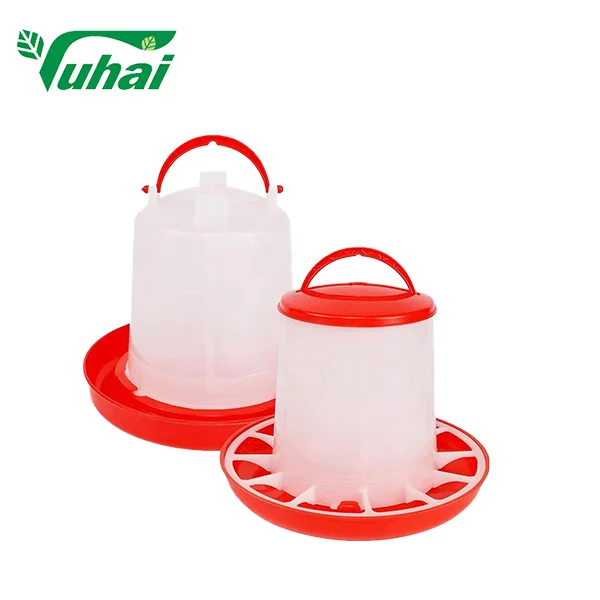
The chicken feeder market offers a wide range of options, from simple trough-style designs to automatic hanging chicken feeders built for outdoor farm use. Each chicken feeder type has specific strengths suited to different flock sizes, management styles, and farm environments. This guide walks through the key selection factors so you can confidently match the right chicken feeder to your specific flock needs, reduce daily labor, and keep feed consumption efficient from day one.
Understanding Flock Size and Feeder Capacity
Why Flock Size Determines Chicken Feeder Needs
Before choosing any chicken feeder, you must have an accurate count of your birds. A chicken feeder designed for a small flock will constantly run empty if used with a larger group, forcing you to refill it multiple times daily. Conversely, an oversized chicken feeder used with too few birds may allow feed to sit and become stale or contaminated. Matching chicken feeder capacity to flock size ensures that every bird has consistent access to fresh feed without you spending excessive time on maintenance.
As a general principle, each mature chicken needs roughly 4 inches of feeder space to eat comfortably without competing. A chicken feeder with limited ports or trough length will create a pecking order problem at feeding time, where dominant birds eat freely while smaller or submissive birds struggle to access the chicken feeder at all. Evaluating the number of feeding ports or the total trough length of your chicken feeder against your bird count is a simple but critical step.
Calculating the Right Chicken Feeder Capacity
Chicken feeder capacity is typically measured in pounds or liters of feed it can hold. A small chicken feeder holding 3 pounds of feed may be perfectly adequate for a flock of 4 to 6 birds but will need frequent refilling for 12 or more birds. A larger chicken feeder with a 15-liter capacity can support a medium to large flock and reduce daily refills significantly. When you calculate capacity, also consider how quickly your birds consume feed so you can estimate how often each chicken feeder will need attention.
Key Chicken Feeder Design Features to Evaluate
Hanging vs. Ground-Level Chicken Feeder Designs
A hanging chicken feeder is one of the most popular choices for outdoor flocks because it keeps feed elevated off the ground, reducing contamination from dirt, droppings, and moisture. When a chicken feeder hangs at the right height, typically at the birds' back level, chickens eat comfortably while waste is minimized. A hanging chicken feeder also discourages rodents from accessing the feed, which is a major advantage for farm settings. Plastic hanging chicken feeders are lightweight, easy to clean, and resistant to rust, making them a practical long-term investment.
Ground-level chicken feeder troughs can be useful for younger chicks or birds with mobility limitations, but they are far more prone to contamination. If your flock is mature and housed outdoors, a hanging chicken feeder with a covered top or anti-waste lip will serve you far better. Many modern chicken feeder designs combine a hanging mechanism with anti-spill ports, so feed is only accessible when a bird puts its beak directly into the port, preventing scratching and scattering.
Material and Weather Resistance of Your Chicken Feeder
For outdoor farm use, material selection for your chicken feeder matters significantly. Durable plastic chicken feeders are UV-resistant, easy to sanitize, and do not corrode when exposed to rain or humidity. A quality plastic chicken feeder will maintain its structure through repeated cleaning cycles without cracking or warping. Metal chicken feeders can offer strength but may rust over time if not coated, making plastic the preferred material for most outdoor poultry setups. Always inspect the chicken feeder material rating before purchasing for outdoor use.
Matching the Chicken Feeder to Your Management Style
Automatic Chicken Feeder Options for Busy Farmers
If you manage a large flock or have limited daily availability, an automatic chicken feeder is worth serious consideration. An automatic chicken feeder dispenses feed at controlled intervals or on demand, reducing the frequency of manual refills. Some automatic chicken feeder models include gravity-fed systems that release fresh feed as the lower tray empties, keeping the chicken feeder consistently stocked without electric components. This type of chicken feeder is especially valuable for farmers who need to be away for multiple days, as it maintains feed access for the flock without interruption.
An automatic chicken feeder also reduces overfilling errors that lead to spoilage. When feed sits exposed in a chicken feeder for too long, especially in humid outdoor environments, it can develop mold that harms flock health. A well-designed automatic chicken feeder controls the release rate so fresh feed is always available at the chicken feeder port without excess accumulating. This feature alone justifies the slightly higher cost of an automatic chicken feeder for medium to large flock operations.
Practical Placement and Setup of Your Chicken Feeder
Where you position your chicken feeder inside or outside the coop matters for both hygiene and accessibility. The chicken feeder should be hung at the correct height based on your birds' average size so they can reach the feed comfortably. Place the chicken feeder away from roosting areas to prevent droppings from contaminating the feed supply. For outdoor setups, ensure the chicken feeder is sheltered from direct rain where possible, as wet feed in a chicken feeder deteriorates quickly and can cause digestive problems for your birds.
FAQ
How many birds can one chicken feeder support?
The number of birds one chicken feeder can support depends on the feeder's capacity and the number of feeding ports it has. A 3-pound chicken feeder suits a small flock of 4 to 6 birds, while a larger chicken feeder with 15-liter capacity can serve 12 to 20 birds comfortably, depending on refill frequency and feeding behavior.
How often should I clean my chicken feeder?
You should clean your chicken feeder at least once a week under normal conditions. In humid or wet outdoor environments, cleaning the chicken feeder every few days prevents mold and feed compaction. A plastic chicken feeder is easy to rinse and dry, making routine hygiene maintenance simple and fast for any flock size.
Is a hanging chicken feeder better than a ground trough for outdoor use?
Yes, a hanging chicken feeder is generally better for outdoor use because it keeps feed off the ground, reducing contamination from droppings, soil, and moisture. A hanging chicken feeder also deters rodents more effectively than a ground trough. For adult flocks housed outdoors, a hanging chicken feeder with anti-waste ports delivers better hygiene and lower feed waste overall.