
 EN
EN



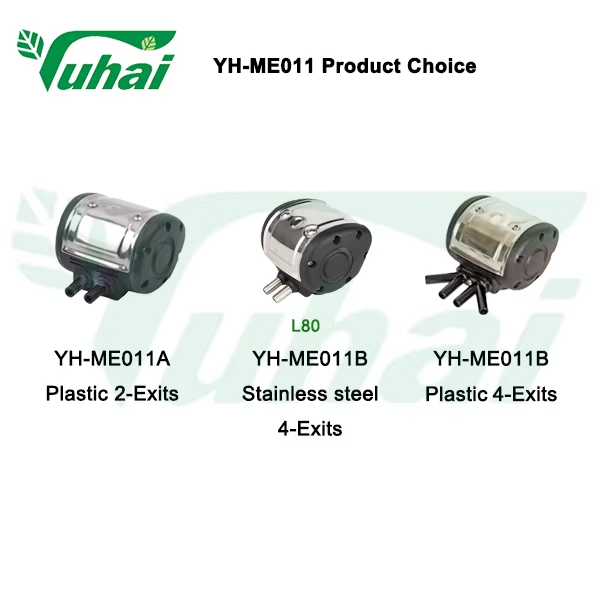
Why Preventive Maintenance Is the #1 Lifespan Driver for Pneumatic Pulsators
How component wear assessment and replacement halve unexpected failure rates
Checking for wear on those key parts like vanes, seals, and bearings really matters if we want to stop those big problems with pneumatic pulsators down the road. When techs do their regular maintenance checks, they're looking for those early warning signs nobody wants to miss. Think tiny cracks forming in the vanes, seals that have lost their shape after all that pressure, or bearings that start moving around too much in their housing. Catching these issues while there's still time means swapping out worn components before things fall apart completely. Companies that follow this proactive approach actually see something pretty impressive happen. Studies show facilities cut their unplanned downtime roughly in half because repairs get done when equipment is already offline for routine service, not right in the middle of production when everything comes to a grinding halt.
Data insight: Units with documented preventive maintenance schedules last 2.3 years longer (2023 Fluid Power Institute benchmark)
According to the Fluid Power Institute's 2023 benchmark study looking at 47 different manufacturing plants, equipment that followed proper scheduled maintenance lasted around 17,500 hours on average. That's actually about 2.3 times longer than machines where maintenance was only done when something broke down. The reason for this big difference? Regular calibration work, keeping lubricants topped off consistently, and replacing worn parts before they fail completely. These practices stop small problems from building up into bigger ones over time. Plants that switched to digital record keeping for their maintenance tasks got even better results, with another 19% increase in equipment lifespan compared to those still using paper logs. Makes sense really - being able to track what's been done and when helps everyone stay responsible for following through properly.
The Three Essential Maintenance Pillars for Reliable Pneumatic Pulsator Operation
Routine inspection protocols for vanes, bearings, and seals—weekly vs. quarterly checkpoints
Using a tiered approach to inspections helps keep operations running smoothly while catching problems before they get serious. For weekly checks, there's no need to take anything apart. Just look around for any signs of seal leakage, listen carefully for strange noises coming from bearings when the equipment is running, and check if the vane torque matches what the manufacturer recommends. Every three months though, things get more involved. At that point, everything needs to come apart so we can actually measure how much the seals have compressed over time, use dial indicators to see just how much play exists in those bearings, and get out the magnifying glass to spot any tiny cracks forming on the vanes. Plants that stick with this two-tier system report cutting down on surprise breakdowns by about 38 percent. Industrial maintenance groups have been tracking these results across their networks for quite some time now.
Wear parts replacement: Timing thresholds and OEM vs. aftermarket trade-offs
Replacement timing must align with both manufacturer guidance and real-world duty demands:
| Component | OEM Threshold | Aftermarket Variance |
|---|---|---|
| Seals | 5M cycles | ± 15% lifespan |
| Vanes | 7M cycles | ± 25% performance |
| Bearings | 10M cycles | ± 20% durability |
While aftermarket components offer 30–50% cost savings, OEM data shows a 19% higher mean-time-between-failures with genuine parts in high-cycle applications. Prioritize OEM components where pulsator uptime is mission-critical or duty cycles exceed 40 hours/week.
Calibration drift in pressure-sensitive pulsation control has an impact on cycle consistency and fatigue life
When pressure regulation drifts beyond about 2.5%, it starts causing all sorts of mechanical problems. The system begins experiencing irregular pulsations which wear out seals faster. Actuators tend to over compensate, putting extra strain on vanes. And those pesky resonance imbalances create harmful vibrations in bearings that nobody wants. To keep things running smoothly, most maintenance manuals recommend recalibrating controls roughly every 500 hours of operation with proper reference gauges from certified sources. Plants that stick to this schedule typically see around 92% consistent performance cycles and their equipment lasts about twice as long as systems that don't get regular calibration checks. So while some might think precise control is just an added bonus, in reality it's actually fundamental for making sure machinery stays reliable over time.
Optimizing Air Supply and Lubrication to Protect Your Pneumatic Pulsator
Moisture control and filtration: How ISO 8573-1 Class 4 air reduces seal degradation by 67%
Dirty air tends to be one of the main reasons why seals fail early in pneumatic pulsators. When facilities stick to ISO 8573-1 Class 4 standards (around 5 mg/m³ for oil aerosols and a pressure dew point no higher than 3°C), they can cut down on seal wear by roughly two thirds. To get there, most plants need a three step filtration approach. First, coalescing filters take care of liquid stuff and those pesky aerosol particles. Then come adsorption dryers that tackle moisture in vapor form. Finally, particulate filters grab anything bigger than 5 microns. For best results, install those FRL units right near where the pulsator takes in air, ideally within about ten feet distance. Keep an eye on how much pressure drops across the filters too. When it hits around 25 kPa, time to swap out those filter elements before things start corroding or seals begin swelling up, which messes with the whole pulsation rhythm.
Seal lubrication best practices: oil selection matrix for varying duty cycles
Lubricant selection directly influences seal integrity, friction management, and elastomer longevity. Match viscosity and additive packages to operational intensity:
| Duty Cycle | Oil Viscosity | Additive Package | Re-lubrication Interval |
|---|---|---|---|
| Low (<15 hr/week) | ISO VG 22â 32 | Basic anti-wear | Quarterly |
| Moderate (15â 40 hr/week) | ISO VG 46 | Anti-wear and oxidation inhibitors | Monthly |
| High (40 hr/week) | ISO VG 68 | Corrosion inhibitors and EP additives | Weekly |
Always deliver lubricant via in-line lubricatorsâ â not manual application, to maintain precise oil mist concentration (1â 3 ppm). Over-lubrication attracts particulates and degrades sealing surfaces. Use non-detergent turbine oils for most diaphragm materials; for Vitonâ ¡ seals, select phosphate-ester-free formulations to avoid swelling.
FAQ
What is preventive maintenance for pneumatic pulsators?
Preventive maintenance for pneumatic pulsators involves regular checking and maintenance of key components like vanes, seals, and bearings to prevent unexpected failures and prolong the equipment's lifespan.
How often should pneumatic pulsators be maintained?
Routine maintenance checks can be done weekly and more involved inspections every three months. Calibration should be performed every 500 operational hours.
What is the importance of air quality in maintaining pneumatic pulsators?
Air quality is crucial in maintaining seals and minimizing wear. Facilities should adhere to ISO 8573-1 Class 4 standards to reduce seal degradation and improve equipment longevity.
Are OEM parts preferable over aftermarket parts?
While aftermarket parts offer cost savings, OEM parts provide longer mean-time-between-failures, making them preferable in high-cycle and mission-critical applications.