
 EN
EN



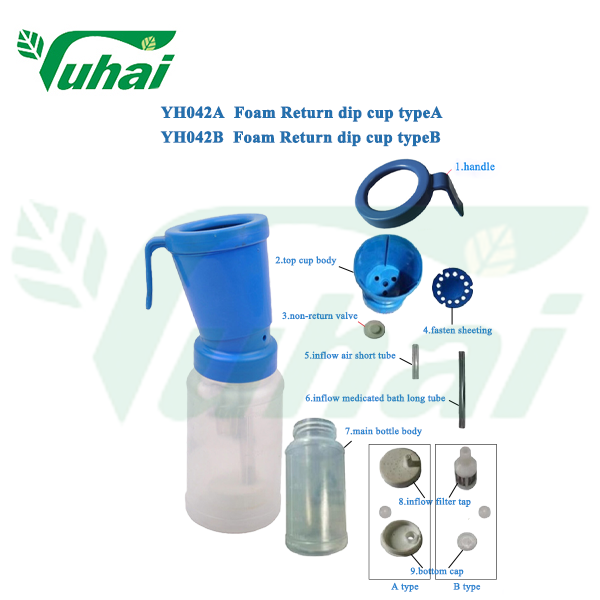
Mastitis remains one of the most economically devastating diseases affecting dairy herds worldwide, causing significant losses in milk production, increased veterinary costs, and premature culling of valuable animals. The infection of the mammary gland tissue not only compromises milk quality but also threatens the overall health and welfare of dairy cows. Among the various preventive measures available to dairy farmers, proper teat disinfection using a dip cup stands as one of the most effective and practical frontline defenses against this persistent bacterial threat. Understanding how this simple yet critical tool functions within a comprehensive mastitis prevention program can transform herd health outcomes and protect farm profitability.
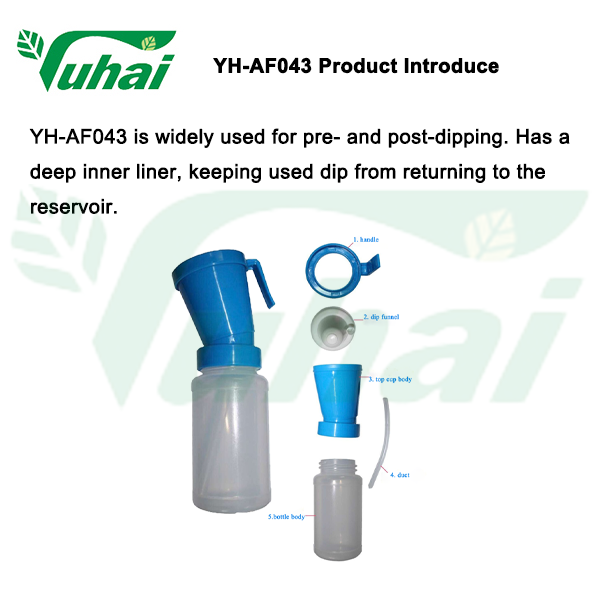
The effectiveness of mastitis prevention relies heavily on consistent application of proven hygiene protocols, and the dip cup serves as the delivery mechanism for teat disinfectants that create a protective barrier against pathogenic bacteria. When used correctly before and after milking, this specialized container ensures that each teat receives adequate coverage of germicidal solution, dramatically reducing the bacterial load on the teat surface and within the teat canal. The mechanical action of applying disinfectant through a properly designed dip cup, combined with the chemical properties of the disinfectant itself, creates a dual-action defense system that addresses both environmental and contagious mastitis pathogens at their primary point of entry into the udder.
The Critical Role of Teat Disinfection in Mastitis Prevention
Understanding Mastitis Pathogen Entry Points
The teat canal represents the only natural opening into the mammary gland, making it the primary entry route for mastitis-causing bacteria. Between milkings, the teat sphincter muscle contracts to close this opening, but the teat canal remains a vulnerable point where bacteria can colonize and migrate upward into the udder tissue. During and immediately after milking, the teat canal dilates and remains partially open for up to two hours, creating a critical window of heightened infection risk. This physiological reality makes post-milking teat disinfection with a dip cup an essential intervention, as applying germicidal solution during this vulnerable period prevents bacteria from establishing a foothold in the teat canal.
Environmental pathogens such as coliform bacteria and Streptococcus species thrive in bedding materials, manure, and contaminated surfaces, constantly threatening teat skin integrity. Contagious pathogens like Staphylococcus aureus and Streptococcus agalactiae spread directly from cow to cow during the milking process, often transmitted through contaminated milking equipment or hands. A properly used dip cup delivers disinfectant that neutralizes both pathogen categories, creating a chemical barrier that persists for hours after application. The consistency and thoroughness of coverage achieved through proper dip cup technique directly correlates with infection prevention rates, making this tool indispensable in modern dairy hygiene protocols.
How Teat Disinfectants Create Protective Barriers
Teat disinfectants contain active germicidal ingredients such as iodine, chlorhexidine, or chlorine dioxide that rapidly kill or inactivate bacteria on contact. When applied through a dip cup, these solutions coat the entire teat surface, including the sensitive teat end where bacteria concentrate. The disinfectant formulation typically includes emollients and skin conditioners that prevent the teat skin from drying, cracking, or becoming irritated, conditions that would otherwise create additional entry points for pathogens. Modern teat dip formulations are engineered to maintain effectiveness across varying environmental conditions, ensuring consistent pathogen kill rates regardless of temperature, humidity, or organic matter contamination on the teat surface.
The residual activity of properly applied teat disinfectant extends protection well beyond the initial application moment. Quality dip cup application ensures sufficient solution contact time and coverage area, allowing the active ingredients to penetrate into skin crevices and the teat canal opening where bacteria hide. Research consistently demonstrates that farms using a dedicated dip cup for pre-milking and post-milking disinfection experience significantly lower somatic cell counts and clinical mastitis incidence compared to operations that apply disinfectant inconsistently or use inadequate application methods. The physical design of the dip cup itself contributes to this effectiveness by allowing proper solution depth and teat immersion without cross-contamination between animals.
The Economic Impact of Mastitis Prevention Through Proper Hygiene
Mastitis imposes substantial economic burdens on dairy operations through multiple pathways including discarded milk, reduced milk production, increased veterinary and treatment costs, labor expenses for managing sick animals, and premature culling of chronically infected cows. Studies indicate that the average cost per clinical mastitis case ranges from one hundred to three hundred dollars, depending on pathogen type, treatment protocol, and milk production loss duration. Subclinical mastitis, though less visible, often causes even greater cumulative losses through persistent elevation of somatic cell counts that result in milk quality penalties and reduced milk yield. Investing in proper mastitis prevention tools, including quality dip cups and effective disinfectant programs, delivers exceptional return on investment by dramatically reducing these multifaceted costs.
Farms that implement comprehensive teat disinfection protocols using properly designed dip cups routinely achieve bulk tank somatic cell counts below regulatory thresholds, qualifying for premium milk pricing tiers and avoiding quality penalties. The consistency afforded by using individual dip cups for each cow prevents cross-contamination that can occur with shared dipping containers, further reducing herd-level infection pressure. When dairy managers calculate the minimal per-cow cost of maintaining adequate dip cup supplies and quality disinfectant against the substantial expenses associated with mastitis treatment and production losses, the economic advantage becomes immediately apparent. Effective use of the dip cup transforms mastitis prevention from a reactive treatment expense into a proactive management investment with measurable positive returns.
Design Features That Make Dip Cups Effective Prevention Tools
Optimal Container Shape and Capacity
The physical design of an effective dip cup incorporates specific features that maximize disinfectant coverage while minimizing waste and contamination risk. A properly engineered dip cup features sufficient depth to allow complete teat immersion up to the udder attachment point, ensuring that disinfectant solution contacts the entire vulnerable teat surface including the critical teat end. The container opening diameter must accommodate teats of varying sizes while preventing excessive splashing or spillage during the dipping motion. Capacity considerations balance the need to maintain adequate solution depth throughout a milking session against the practical requirement to avoid carrying unnecessarily heavy volumes of liquid through the parlor or milking facility.
Modern dip cup designs often incorporate conical or tapered bottom profiles that maintain sufficient solution depth even as liquid volume decreases during use, ensuring consistent coverage quality from the first cow to the last in a milking group. The container material must resist chemical degradation from repeated exposure to germicidal solutions while remaining durable enough to withstand the physical demands of daily dairy operations. Transparency or translucent construction allows operators to monitor solution levels and detect contamination, prompting timely replacement to maintain disinfectant effectiveness. These design considerations distinguish purpose-built dairy hygiene tools from makeshift containers that compromise coverage consistency and ultimately undermine mastitis prevention efforts.
Non-Return Valve Technology and Contamination Prevention
Advanced dip cup designs incorporate non-return valve mechanisms that represent a significant advancement in preventing cross-contamination between animals. Traditional open containers allow milk, debris, and bacteria from one cow's teats to contaminate the disinfectant solution, potentially spreading pathogens to subsequent animals rather than preventing infection. The non-return valve creates a one-way flow system where fresh disinfectant flows out to coat the teat during immersion, but contaminated solution cannot flow back into the main reservoir. This technology maintains disinfectant purity throughout the milking session, ensuring that each cow receives clean, uncontaminated germicidal solution regardless of milking order.
The contamination prevention advantage of valve-equipped dip cups becomes particularly critical when dealing with cows that show signs of clinical mastitis or elevated somatic cell counts. Without barrier technology, these high-risk animals could transfer contagious pathogens directly into the shared disinfectant solution, creating a vehicle for herd-wide disease transmission. The valve mechanism eliminates this risk vector while maintaining operational efficiency and ease of use. Dairy operations that transition from conventional open dip cups to non-return valve designs typically observe measurable improvements in herd somatic cell counts within months, demonstrating the practical impact of this contamination control feature on overall mastitis prevention outcomes.
Ergonomic Design for Consistent Application Technique
The ergonomic characteristics of a well-designed dip cup directly influence application consistency and operator compliance, factors that significantly affect overall mastitis prevention success. Handle design, weight distribution, and overall size must accommodate prolonged use during milking sessions that may involve hundreds of individual cow treatments. A properly balanced dip cup reduces operator fatigue and encourages the complete immersion technique necessary for adequate teat coverage. The container should facilitate a smooth, controlled dipping motion that minimizes spillage while ensuring that each teat remains submerged in disinfectant solution for the recommended contact time, typically several seconds.
Visual design elements such as fill line indicators help operators maintain optimal solution levels throughout the milking process, preventing the coverage failures that occur when insufficient disinfectant depth allows teat ends to remain exposed during immersion. The dip cup construction should withstand repeated impacts and drops inevitable in busy milking environments without cracking or developing leaks that compromise solution retention. Color-coding options allow farms to implement segregation protocols, using distinct dip cups for fresh cows, high somatic cell count animals, or treated cows to prevent cross-contamination and support targeted management strategies. These practical design considerations transform the dip cup from a simple container into a precision tool that enables consistent execution of mastitis prevention protocols.
Proper Dip Cup Usage Protocols for Maximum Protection
Pre-Milking Disinfection Procedures
Pre-milking teat disinfection using a dedicated dip cup serves multiple critical functions in comprehensive mastitis prevention programs. This initial disinfection step reduces the bacterial load on teat surfaces before milking unit attachment, minimizing the pathogen population that could be forced into the teat canal by milking machine action or migrate from cow to cow through milking equipment. The pre-dip application also helps stimulate milk letdown when combined with proper udder preparation techniques, improving milking efficiency while simultaneously enhancing hygiene. Using a dip cup specifically designated for pre-milking applications prevents potential confusion and ensures that appropriate contact time protocols are followed before teats are wiped dry and milking equipment is attached.
The pre-milking dip cup protocol typically involves complete immersion of each teat in germicidal solution, maintaining contact for the manufacturer-recommended duration which generally ranges from twenty to thirty seconds. Following this contact time, teats are thoroughly dried using individual disposable towels or dedicated cloth towels for each cow, removing both disinfectant residue and any loosened debris or bacteria. This wiping action provides tactile inspection opportunity, allowing milkers to detect early signs of mastitis such as heat, swelling, or abnormal texture. The combination of chemical disinfection through proper dip cup application and physical cleaning through thorough drying creates a synergistic effect that dramatically reduces the microbial challenge during subsequent milking.
Post-Milking Disinfection as Primary Defense
Post-milking teat disinfection represents the single most important mastitis prevention practice on most dairy farms, and proper dip cup technique is essential to realizing its full protective potential. Immediately following milking unit removal, while teat canals remain dilated and vulnerable, each teat should be completely immersed in disinfectant solution using a clean dip cup. This timing is critical because bacteria present on teat surfaces or in the immediate environment can enter the open teat canal within minutes after milking if not prevented by germicidal barrier. The post-milking dip cup application must achieve complete coverage of the entire teat surface, paying particular attention to the teat end where the canal opening provides direct access to the mammary gland interior.
Unlike pre-milking applications that require subsequent drying, post-milking disinfectant should remain on teats to provide extended protection during the critical two-hour period while teat canals gradually close. This residual disinfectant film continues killing bacteria that contact the teat surface during this vulnerable window, and modern formulations include film-forming agents that enhance this persistent activity. The dip cup used for post-milking applications should contain fresh disinfectant solution appropriate for this prolonged contact, and operators should ensure adequate solution depth throughout the milking session by monitoring levels and refilling as necessary. Farms that rigorously implement post-milking disinfection using proper dip cup technique consistently achieve the lowest mastitis rates and somatic cell counts within their regional benchmarking groups.
Solution Management and Contamination Control
Maintaining disinfectant solution quality throughout the milking session requires disciplined dip cup management practices that prevent contamination and ensure consistent germicidal activity. Fresh disinfectant should be prepared according to manufacturer specifications before each milking session, and dip cups should be filled to appropriate levels that allow complete teat immersion. Solutions should never be topped off with fresh disinfectant if visible contamination with milk, manure, or debris has occurred; instead, contaminated solution should be discarded and the dip cup cleaned and refilled with fresh material. This practice prevents the buildup of organic matter that can inactivate disinfectant active ingredients and harbor pathogenic bacteria.
Temperature management affects both disinfectant efficacy and cow comfort, making it important to store teat dip solutions appropriately and avoid extreme temperature exposure. Frozen or excessively cold disinfectant can cause teat skin damage and reduce cow cooperation, while overheated solutions may experience accelerated degradation of active ingredients. The dip cup itself should be thoroughly cleaned after each milking session using appropriate detergents and sanitizers, then allowed to dry completely before the next use. This cleaning protocol prevents biofilm formation inside the container that could harbor pathogens and compromise future disinfection efforts. Regular replacement of dip cups showing signs of wear, damage, or permanent contamination maintains the integrity of the mastitis prevention program.
Integrating Dip Cups Into Comprehensive Mastitis Control Programs
Coordination With Milking Machine Maintenance
While proper dip cup usage provides essential frontline defense against mastitis pathogens, maximum protection requires integration with comprehensive equipment maintenance protocols. Milking machine function directly impacts teat health and infection susceptibility, as improper vacuum levels, pulsation rates, or liner condition can cause teat tissue damage that creates entry points for bacteria despite adequate disinfection. Regular testing and maintenance of milking equipment ensures that machines do not traumatize teats or cause the tissue changes that would undermine the protective benefits of proper dip cup application. The vacuum system, pulsation components, and inflations should be maintained according to manufacturer specifications and replaced on appropriate schedules to preserve teat condition.
The coordination between proper milking technique and effective dip cup usage creates multiplicative rather than merely additive protective effects. Gentle, complete milking that avoids overmilking and maintains appropriate vacuum levels preserves teat skin integrity, allowing disinfectant applied through the dip cup to work on healthy tissue without compromising barriers already damaged by mechanical stress. Conversely, even the most rigorous dip cup protocols cannot overcome the infection pressure created by poorly maintained milking equipment that repeatedly injures teat tissue. Successful mastitis prevention programs recognize this interdependence and allocate resources proportionally to both equipment maintenance and hygiene supply investment including quality dip cups and effective disinfectants.
Environmental Hygiene and Housing Management
The effectiveness of teat disinfection using a dip cup depends partly on reducing the overall environmental bacterial challenge that cows encounter between milkings. Clean, dry bedding minimizes the bacterial load that contacts teats when cows lie down, reducing the pathogen population that disinfectant must neutralize. Proper ventilation prevents the damp conditions that promote bacterial multiplication in bedding materials and on cow skin. Manure management systems that minimize cow contact with fecal material reduce environmental contamination and decrease the organic matter burden on teat surfaces that can interfere with disinfectant activity during subsequent dip cup application.
Farms that maintain excellent environmental hygiene amplify the protective value of their dip cup protocols by reducing baseline infection pressure. The disinfectant applied through proper dip cup technique must overcome whatever bacterial challenge exists on teat surfaces at the time of application. When environmental contamination is excessive due to poor housing conditions, even correct disinfection technique may prove insufficient because the sheer pathogen numbers overwhelm germicidal capacity. Conversely, operations that provide clean, comfortable housing for their cows allow teat disinfection protocols to achieve maximum effectiveness because the baseline bacterial challenge remains manageable. This synergy between environmental management and direct disinfection creates the foundation for sustainable low somatic cell count achievement.
Monitoring and Continuous Improvement
Effective mastitis prevention requires ongoing monitoring of outcomes and continuous refinement of protocols based on observed results. Regular evaluation of bulk tank somatic cell counts, individual cow somatic cell count patterns, and clinical mastitis incidence provides objective feedback on overall udder health program effectiveness. When monitoring reveals elevated somatic cell counts or increased infection rates, systematic evaluation of dip cup protocols should be included in the troubleshooting process. Observing actual milking procedures to verify that dip cups are being used correctly, that adequate disinfectant contact time is achieved, and that solution quality is maintained throughout milking can identify correctable technique deficiencies.
Bacterial culture results from milk samples collected during mastitis cases provide valuable information about pathogen patterns that can guide refinement of prevention strategies. High rates of environmental pathogens may indicate opportunities to improve housing hygiene, while contagious pathogen dominance suggests the need to enhance milking-time transmission prevention including more rigorous dip cup protocols. Some operations implement periodic audits where an experienced consultant observes milking procedures and evaluates dip cup technique, disinfectant management, and overall protocol compliance. These external assessments often identify subtle deficiencies that internal personnel overlook due to familiarity, providing fresh perspective that drives meaningful improvement in mastitis prevention outcomes.
Selecting and Maintaining Quality Dip Cups
Material Quality and Durability Considerations
The material composition of a dip cup significantly influences its longevity, chemical resistance, and overall suitability for intensive dairy operation use. High-quality polypropylene or polyethylene construction provides excellent resistance to the aggressive chemicals present in teat disinfectants while maintaining structural integrity through repeated impacts, temperature fluctuations, and cleaning cycles. Inferior materials may degrade when exposed to iodine-based or chlorine-based disinfectants, developing cracks, brittleness, or surface roughness that harbors bacteria and compromises hygiene. The initial cost savings from purchasing low-quality dip cups quickly evaporates when premature failure necessitates frequent replacement and when degraded surfaces undermine the disinfection process the tool is meant to facilitate.
Durability assessment should consider the specific demands of the operation's milking system and facility design. Parlor operations where dip cups may be dropped onto concrete floors require more impact-resistant construction than tie-stall operations with softer surfaces. Chemical compatibility becomes particularly important for farms using specialized disinfectant formulations or rotating between different product types, as some material compositions tolerate broader chemical exposure than others. Ultraviolet light resistance matters for dip cups stored or used in areas with significant sun exposure, preventing the photodegradation that causes plastic embrittlement. Evaluating these durability factors during dip cup selection ensures that purchased equipment maintains functionality and hygiene standards throughout its intended service life.
Capacity Matching to Operational Needs
Selecting appropriate dip cup capacity involves balancing multiple operational considerations including milking group size, solution conservation, and application consistency throughout the milking session. Larger capacity dip cups reduce the frequency of refilling required during milking, improving workflow efficiency and reducing the risk that solution depth becomes inadequate before operators notice and replenish supplies. However, excessive capacity increases the weight operators must carry throughout milking, potentially contributing to fatigue and reducing application consistency. The optimal capacity provides sufficient solution volume to maintain proper immersion depth for an entire milking group or shift while remaining comfortable to handle throughout extended use periods.
Operations using individual cow dip cups rather than shared containers may prefer smaller capacity units that contain just enough solution for one animal's four teats, minimizing waste if contamination occurs and simplifying the protocol of using fresh solution for each cow. Larger operations with multiple milking operators may benefit from standardizing on a specific dip cup capacity that becomes familiar to all personnel, reducing training complexity and improving technique consistency across different shifts. The capacity should accommodate the teat size range present in the herd, ensuring that complete immersion remains achievable for the largest teats without requiring solution depths so excessive that they waste disinfectant. Thoughtful capacity selection optimizes both the practical ergonomics of dip cup use and the economic efficiency of disinfectant consumption.
Replacement Schedules and Hygiene Protocols
Even high-quality dip cups require eventual replacement as cumulative wear, chemical exposure, and physical stress degrade performance over time. Establishing systematic replacement schedules prevents continued use of deteriorated equipment that may compromise disinfection effectiveness. Visual inspection criteria should guide replacement decisions, with cups showing cracks, permanent discoloration, surface roughness, or valve dysfunction being immediately retired from service. Many operations implement routine replacement intervals such as annually or biannually regardless of apparent condition, recognizing that subtle degradation may not be visibly obvious but can still impact function. This preventive replacement approach ensures that dip cups consistently perform as designed rather than gradually declining into marginal effectiveness.
Between uses, dip cups require thorough cleaning to prevent bacterial biofilm formation and chemical residue buildup that could compromise future disinfection efforts. A systematic cleaning protocol might involve rinsing with clean water immediately after milking to remove gross contamination, followed by washing with dairy-appropriate detergent, rinsing again to remove detergent residue, and allowing complete drying before the next milking session. Some operations utilize sanitizing solutions as a final step before drying, further reducing bacterial survival on cup surfaces. Storage in clean, dry locations protected from contamination maintains the hygiene achieved through cleaning until the next use. These routine maintenance practices extend dip cup functional life while ensuring that the tools themselves do not become sources of contamination that undermine the mastitis prevention protocols they are meant to support.
FAQ
How often should I replace the disinfectant solution in my dip cup during a single milking session?
The disinfectant solution in your dip cup should be replaced whenever it becomes visibly contaminated with milk, manure, bedding material, or other debris, regardless of how many cows have been processed. For post-milking applications where solution remains on teats, most operations can complete an entire milking session with one fill if using a properly sized dip cup and maintaining good hygiene practices. However, pre-milking solutions that contact dirtier teats and are subsequently wiped away may require more frequent replacement, potentially after every ten to fifteen cows depending on environmental conditions and teat cleanliness. Dip cups with non-return valve technology significantly extend the usable duration of each fill by preventing contamination backflow. The fundamental principle is that disinfectant must remain clean and active to effectively prevent mastitis, so replacing solution whenever quality becomes questionable takes priority over maximizing the number of cows processed per fill.
Can I use the same dip cup for both pre-milking and post-milking disinfection?
While technically possible if thoroughly cleaned between applications, best practice involves using separate dedicated dip cups for pre-milking and post-milking disinfection to prevent cross-contamination and optimize protocol execution. Pre-milking applications contact teats that may carry environmental contamination from bedding and housing areas, potentially introducing higher bacterial loads and organic matter into the disinfectant solution. Post-milking applications occur on cleaner teats immediately after milking unit removal, and maintaining solution purity for this critical application provides maximum protection during the vulnerable period when teat canals remain dilated. Using distinct dip cups for each application phase eliminates the risk that debris accumulated during pre-milking compromises the post-milking barrier. Color-coded or clearly labeled dip cups prevent confusion and ensure that operators consistently use the correct container for each protocol step, maintaining the integrity of your comprehensive mastitis prevention program.
What should I look for when choosing a dip cup to ensure effective mastitis prevention?
When selecting a dip cup, prioritize features that ensure complete teat coverage and prevent cross-contamination between cows. Adequate depth is essential, with the container allowing full teat immersion from tip to udder attachment. Non-return valve technology represents a significant advantage by preventing contaminated solution from flowing back into the main reservoir after each teat immersion. The material should demonstrate chemical resistance to the specific disinfectants you use, with durable construction that withstands daily cleaning and the physical demands of your milking environment. Ergonomic design including comfortable handles and appropriate weight distribution supports consistent technique throughout long milking sessions. Transparency or translucent construction helps monitor solution levels and detect contamination. Capacity should match your operational workflow, providing sufficient volume for your typical milking group size without becoming cumbersome to handle. Finally, consider ease of cleaning, as dip cups with complex internal geometries or difficult-to-reach crevices may harbor bacteria despite regular washing efforts.
How do I know if my dip cup technique is effectively preventing mastitis in my herd?
The effectiveness of your dip cup technique manifests through several measurable herd health indicators that you should monitor regularly. Bulk tank somatic cell counts provide the most immediate and consistent feedback, with effective protocols typically maintaining counts below regional regulatory thresholds and ideally in the low range that qualifies for premium pricing. Individual cow somatic cell count patterns from monthly or periodic testing reveal whether infections are being prevented or if subclinical mastitis is spreading despite your efforts. Clinical mastitis incidence rates, tracked as cases per hundred cows per month, should remain low and stable when prevention protocols function effectively. If you observe increasing somatic cell counts, rising clinical case rates, or specific pathogen patterns in culture results, these indicators suggest opportunities to improve technique. Consider having an experienced consultant or veterinarian observe your actual milking procedures to verify that dip cups are being used correctly, that adequate immersion depth and contact time are achieved, and that solution quality is maintained throughout milking. Sometimes subtle technique deficiencies invisible to regular personnel become apparent through fresh external evaluation.
Table of Contents
- The Critical Role of Teat Disinfection in Mastitis Prevention
- Design Features That Make Dip Cups Effective Prevention Tools
- Proper Dip Cup Usage Protocols for Maximum Protection
- Integrating Dip Cups Into Comprehensive Mastitis Control Programs
- Selecting and Maintaining Quality Dip Cups
-
FAQ
- How often should I replace the disinfectant solution in my dip cup during a single milking session?
- Can I use the same dip cup for both pre-milking and post-milking disinfection?
- What should I look for when choosing a dip cup to ensure effective mastitis prevention?
- How do I know if my dip cup technique is effectively preventing mastitis in my herd?