
 EN
EN



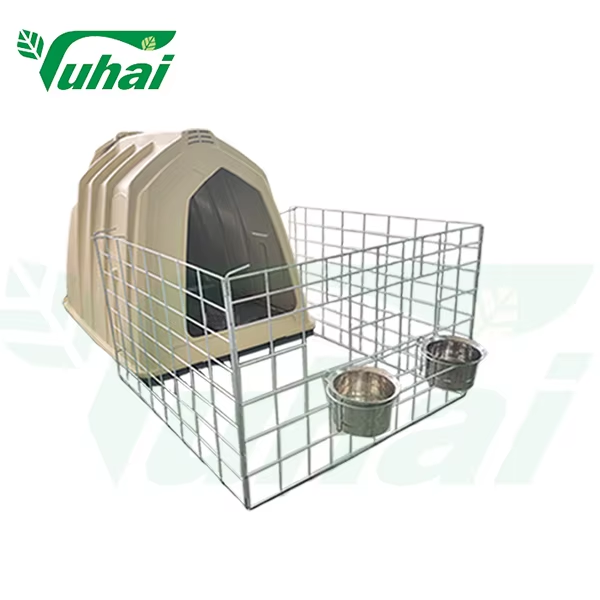
Calf Hutches as a Biosecurity Anchor
Pathogen Isolation Through Individual Housing
Putting calves in individual hutches instead of group pens helps stop diseases from spreading between animals. When each calf has its own space, there's no direct contact between them, which cuts down on things like nose-to-nose greetings and breathing in germs that cause problems such as Cryptosporidium and bovine rotavirus. These bugs are behind most cases of diarrhea in young calves before weaning according to recent research (Journal of Dairy Science, 2023). Young calves especially benefit because their immune systems aren't fully developed yet, so they face less risk from dirty manure or sneeze droplets from other calves nearby. Farmers also find it easier to follow cleaning routines with this setup. After one batch leaves, the hutch gets shifted to fresh ground that's been properly cleaned and disinfected, breaking the cycle for parasites. The results speak for themselves too. Studies show calves kept separately need about thirty percent fewer antibiotics compared to those raised together in pens.
Design Features That Minimize Cross-Contamination
Strategic engineering transforms calf hutches into biosecurity fortresses through three key elements:
| Feature | Function | Disease Impact Reduction |
|---|---|---|
| Sloped polyethylene floors | Prevents liquid pooling | 45% lower coccidiosis risk |
| 10+ ft inter-hutch spacing | Blocks aerosol transmission | 60% fewer respiratory cases |
| Rear ventilation panels | Creates unidirectional airflow | 70% lower airborne pathogen load |
Non-porous surfaces withstand high-pressure washing and disinfectants, eliminating organic residues where viruses persist. Curved roof edges deflect wind-driven contaminants, while UV-stabilized materials resist micro-crack formation that harbors bacteria. These integrated features enable consistent pathogen containment without compromising accessibility for health monitoring.
Optimizing Calf Comfort Through Microclimate Control
Ventilation, Insulation, and Solar Orientation in Modern Calf Hutch Design
Today's calf hutches are designed to keep things at just the right temperature using three main features. The side vents can be adjusted so farmers can control how much air flows in and out, which stops moisture from building up inside but also keeps cold drafts from getting in. The walls are made of insulated polyethylene material that acts as a barrier against extreme temperatures outside, helping maintain steady conditions inside no matter what kind of weather is happening outdoors. Most hutches face south when built in places north of the equator, taking advantage of sunlight during winter months for extra warmth without getting too hot during summers. All these design elements working together cut down temperature swings by around half compared to regular non-insulated shelters, making sure baby calves stay comfortable in their ideal temperature range of about 50 to 75 degrees Fahrenheit.
Linking Stable Microclimates to Lower Respiratory Disease Rates
Keeping consistent microclimates really helps with respiratory health in animals. Studies indicate that when calves are kept in places where temperatures stay around 10 to 24 degrees Celsius and humidity stays under 70%, there's about a third fewer cases of bovine respiratory disease. The stable environment reduces those sudden stress spikes that raise cortisol levels, which in turn keeps their immune systems working better. Farmers who take care to manage these calf hutches properly are essentially creating first line defenses against diseases. This approach not only improves animal welfare but also makes farm operations run smoother and more efficiently over time.
Measurable Welfare Benefits of Proper Calf Hutch Use
Studies have shown that properly set up calf hutch systems actually improve calf welfare in ways that go beyond just keeping them safe and comfortable. Research published last year found calves living in good condition hutches gained about 23% more weight each day than those kept in group pens, mainly because they get sick less often and experience less stress overall. When farmers space out their hutches according to vet recommendations (at least 10 feet apart), mortality drops around 19%. And if those hutches have proper ventilation, respiratory problems decrease by about 31%. What's interesting is how these improvements carry over into later life too. Heifers raised this way tend to give 5.7% more milk during their first lactation period. All these numbers point to why many modern dairy farms are turning to hutch systems not just for animal welfare reasons, but also because they simply work better economically when maintained correctly.
Best Practices for Sustaining Both Biosecurity and Comfort
Cleaning Protocols, Minimum Spacing, and Seasonal Adjustments
Consistent cleaning protocols form the foundation of effective calf hutch management. Disinfect all surfaces—including feeders, water buckets, and entry points—between occupants using EPA-registered virucidal agents. Maintain minimum spacing of 10–12 feet between hutches to reduce airborne transmission and mitigate stress-related behaviors. Seasonal adjustments are essential:
- Summer: Increase ventilation, apply reflective roof coatings, and provide shade to prevent heat stress
- Winter: Reinforce insulation, adjust bedding depth (e.g., deeper straw layers), and block prevailing winds—while ensuring continuous airflow
- Rainy seasons: Ensure proper drainage, elevate hutches on gravel pads, and avoid low-lying, flood-prone areas
Rotate pasture locations annually to break parasite cycles and limit soil contamination. When applied together, these practices lower respiratory disease incidence by 40% and improve weight gain metrics across cohorts.
FAQs About Calf Hutches
Why do individual calf hutches help prevent disease?
Individual calf hutches help prevent disease by minimizing direct contact between calves, thus reducing the transmission of pathogens such as Cryptosporidium and bovine rotavirus.
What are the design features of calf hutches that enhance biosecurity?
Calf hutches are designed with features such as sloped polyethylene floors to prevent liquid pooling, adequate inter-hutch spacing to block aerosol transmission, and rear ventilation panels for directed airflow to minimize cross-contamination.
How does ventilation and insulation in calf hutches improve respiratory health?
Ventilation and insulation help maintain a stable microclimate inside the hutch, reducing sudden temperature changes and humidity levels, which are conducive to lower respiratory disease rates.
What are best practices for maintaining calf hutches for biosecurity and comfort?
Best practices include consistent cleaning using EPA-registered disinfectants, maintaining proper spacing between hutches, and making seasonal adjustments such as improving ventilation in the summer and reinforcement of insulation in the winter.