In modern, high-efficiency dairy production, milking machine components are far more than simple replacement parts. They are core elements ensuring the smooth operation of dairy farms, safeguarding milk quality, and maintaining cow health. Their application prospects are extensive and profound, directly impacting a farm's profitability and sustainable development.
Demand for milking machine components spans diverse operational scenarios across all types of dairy farms. For large-scale commercial operations, the reliability and rapid availability of parts are lifelines for maintaining continuous operation in high-throughput milking parlors. Failure of any critical component can result in significant production downtime losses. For family-run or organic farms, component quality directly impacts animal welfare and milk quality, as a gentle, stable milking process forms the foundation for producing premium products. Additionally, veterinarians and herd health consultants view components as vital tools for preventing diseases like mastitis, while agricultural machinery service providers rely on stable, compatible parts inventories to efficiently service equipment across different brands.
The critical applications of these components manifest in several core areas:
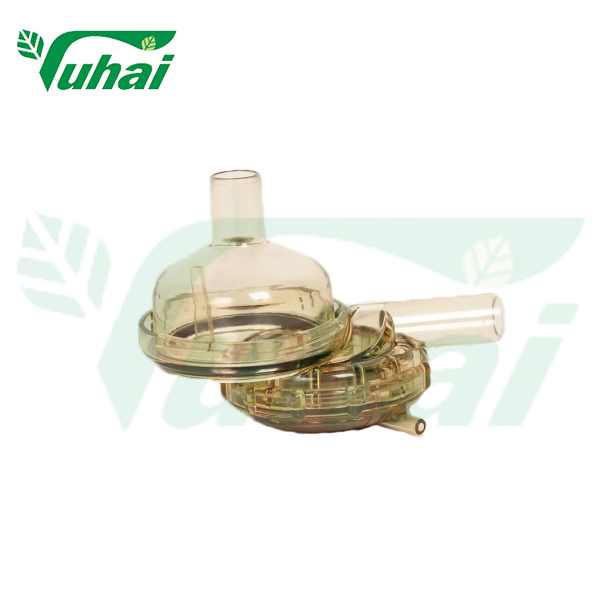
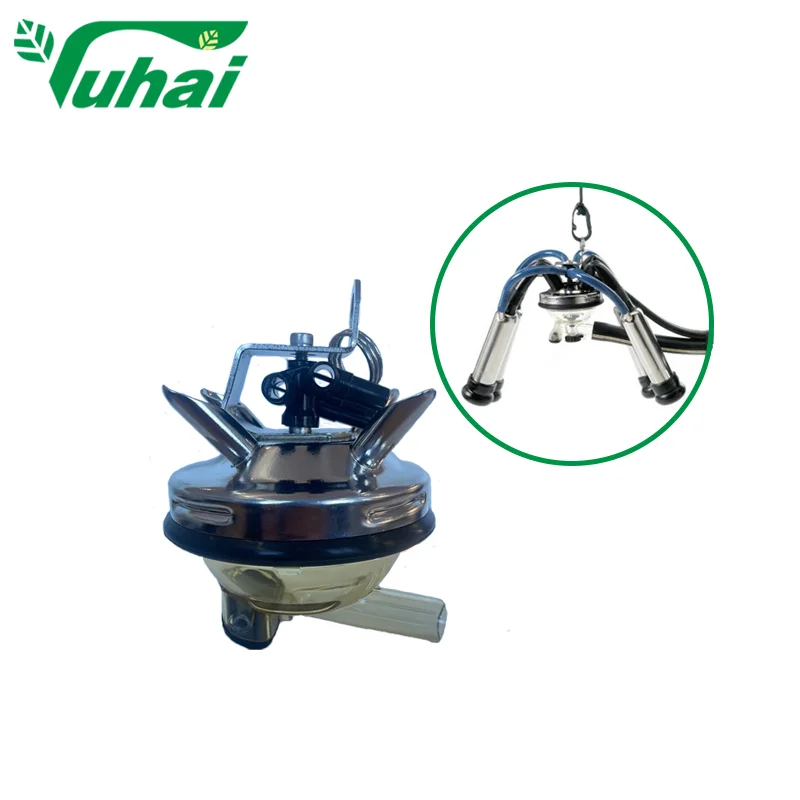
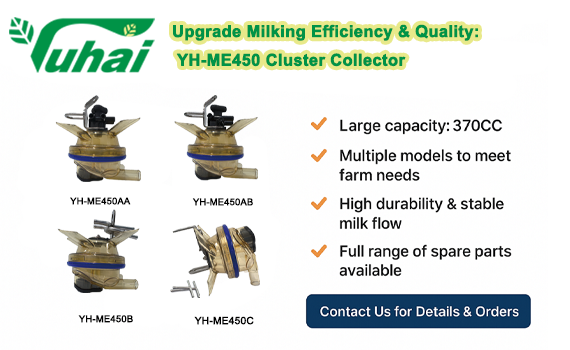
First, in ensuring milk quality and food safety, parts directly contacting milk—such as liners and milk collectors—play an irreplaceable role. Regular replacement of liners prevents incomplete milking and slipping caused by wear, thereby avoiding milk residue and bacterial growth—the first line of defense for hygiene and udder health. Intact collectors ensure effective cleaning and disinfection processes, guaranteeing the purity and safety of every milk batch.
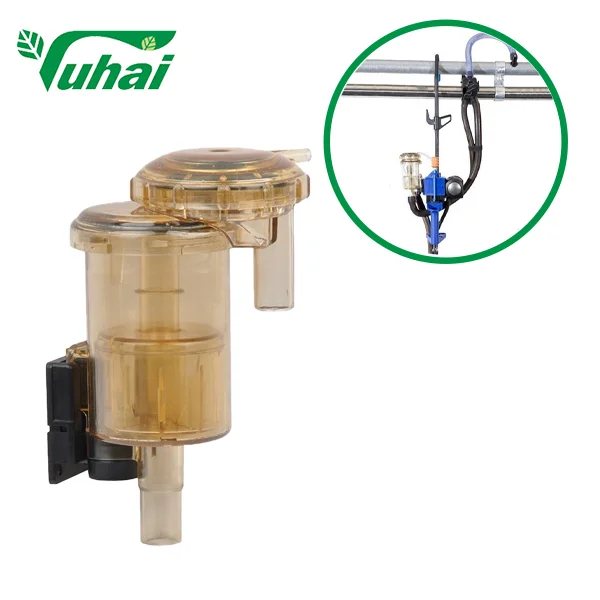
Secondly, components are vital for maintaining the performance and efficiency of the entire milking system. As the “heart” of the milking machine, the pulsator's stable operation is crucial for simulating the cow's natural suckling rhythm and maximizing milk yield. Any malfunction can lead to uneven milking, irritate the cow's udder, and severely impact milking speed and animal welfare. Similarly, vacuum pump and vacuum regulator components collectively maintain the system's stable vacuum environment—the physical foundation for rapid, gentle milking. Fluctuations directly cause slow milking or even harm to cows.
Ultimately, all these applications converge on safeguarding cow health and welfare. A well-functioning milking system built with high-quality components significantly reduces the risk of teat end damage caused by machine malfunctions, thereby effectively preventing mastitis. Therefore, investing in reliable components is fundamentally a strategic investment in herd biosecurity and animal welfare.

 EN
EN