Why Choose Us
Yuyao Yuhai Livestock Machinery Technology Co., Ltd. locates in Yuyao County, which enjoys the reputation of "Mold Township" and "Plastic Center" in the middle of Ningxia Plain in eastern Zhejiang. East of Ningbo Beilun port, south of Hangzhou-Ningbo Expressway and Xiao Yong railway, west of Hangzhou Bay, north from the Hangzhou Bay Bridge, only ten-minutes drive from the Ningbo Lishe Airport about 30 Kilometers. Transportations various as the high-speed railway, airplanes, sea transportation are all quite convenient to arrive here.
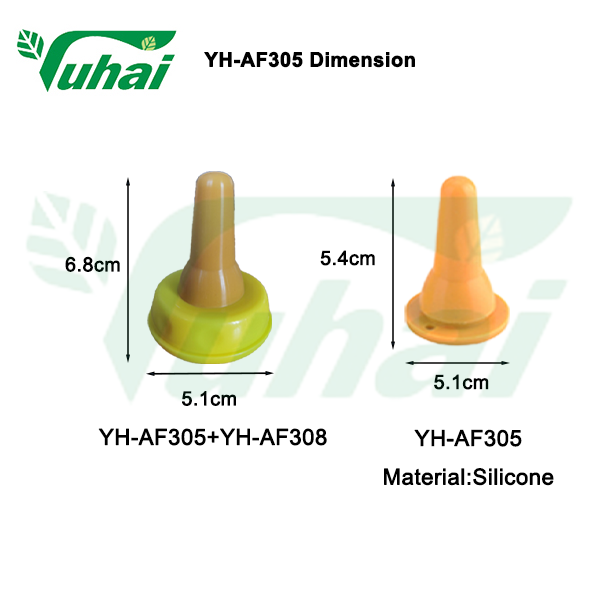
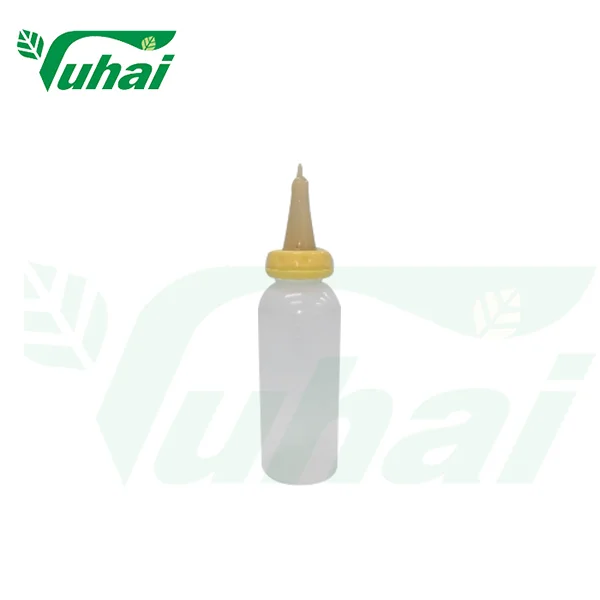
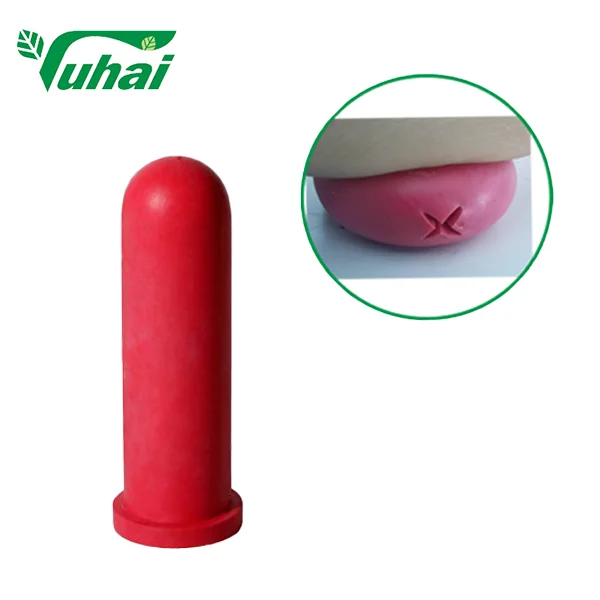
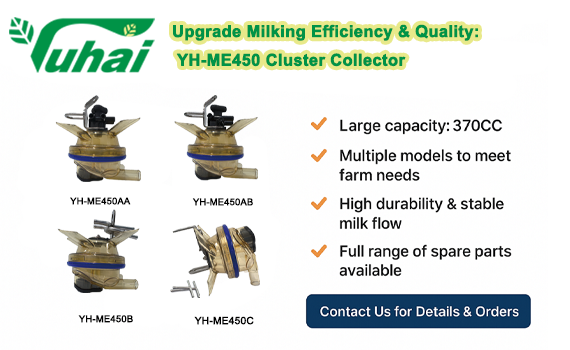
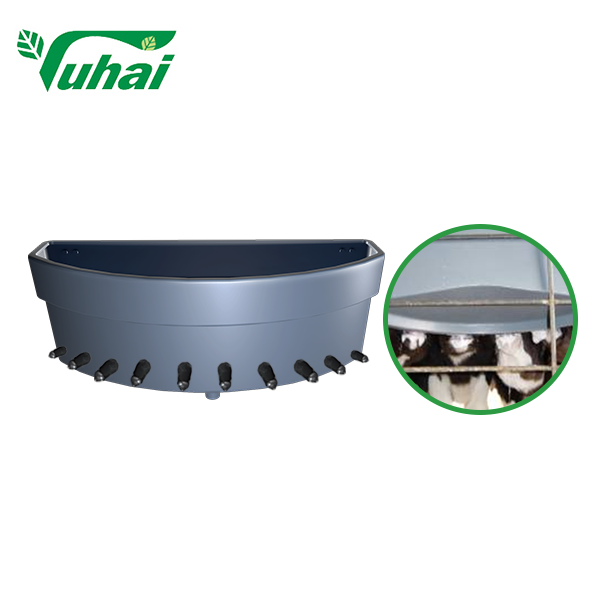
The Company's principal business includes various milking machine spare parts and livestock machinery equipment accessories, livestock animal husbandry products. Specifically, the products contain different types of milk cluster, milk meters,pneumatic pulsator/electric pulsator, calf drinking water bowls, calf feeding bottles, other husbandry products and stainless steel accessories.

 EN
EN