
 EN



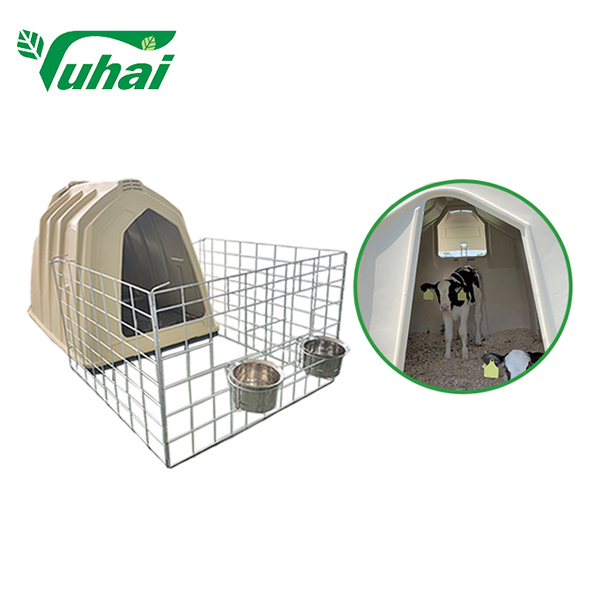
A calf hutch represents one of the most critical infrastructure investments a dairy farm can make. The early weeks of a calf's life fundamentally determine its long-term health, growth potential, and productivity as a mature animal. Without adequate protection and environmental control, calves face increased disease exposure, poor nutrition utilization, and stress that compounds throughout their lives. Forward-thinking dairy operations understand that investing in quality calf hutch systems directly protects the herd's genetic potential and future milk production capacity.

Modern dairy management recognizes that calf mortality and morbidity rates correlate directly with housing quality and design. A well-designed calf hutch provides individual isolation, controlled ventilation, temperature regulation, and protection from weather extremes—all critical factors that influence survival rates and growth metrics. Farms that implement superior calf hutch solutions report measurably better outcomes: reduced disease incidence, faster average daily gains, and calves that reach weaning weight more efficiently. This article explores the foundational reasons why every dairy farm needs a high-quality calf hutch system to sustain profitability and animal welfare standards.
Disease Prevention and Calf Health Protection
Individual Isolation Benefits of Calf Hutch Design
Disease transmission among young calves occurs rapidly in group housing environments. A properly constructed calf hutch isolates each animal, preventing direct nose-to-nose contact and shared contaminated bedding that spreads respiratory infections, scours, and other pathogens. Individual calf hutch systems allow farm staff to monitor each calf's health status, feed intake, and fecal consistency without visual obstruction or crowding stress. When calves are separated in dedicated calf hutch units, caregivers identify disease symptoms earlier, enabling prompt treatment before conditions escalate to costly interventions or death.
Ventilation and Environmental Control in Calf Hutch Systems
Superior calf hutch designs incorporate passive or mechanical ventilation that exchanges stale air without creating drafts that stress young animals. Inadequate air circulation in poor-quality calf hutch housing concentrates ammonia and carbon dioxide, creating respiratory distress and reducing the calf's ability to fight infection. High-quality calf hutch construction materials allow moisture evaporation while maintaining thermal comfort. Research confirms that calves housed in well-ventilated calf hutch structures experience lower morbidity rates and faster recovery when illness does occur, compared to poorly ventilated facilities.
Growth Performance and Nutritional Efficiency
Stress Reduction Through Proper Calf Hutch Housing
Environmental stress directly suppresses appetite and nutrient absorption in young calves. Calves sheltered in quality calf hutch systems experience lower cortisol levels, maintain more consistent feed consumption, and convert milk and starter feed into body weight more efficiently. The psychological security provided by enclosed calf hutch design—protection from wind, predators, and visual disturbances—allows calves to relax and focus energy on growth rather than survival responses. Farms implementing high-quality calf hutch solutions consistently document improved average daily gains during the critical preweaning period.
Temperature Management in Calf Hutch Environments
Newborn calves cannot efficiently regulate body temperature and rely on environmental conditions to maintain homeostasis. A superior calf hutch provides insulation that keeps calves warm during winter and allows heat dissipation during summer months. Poor-quality calf hutch materials fail to moderate temperature swings, forcing calves to expend energy on thermoregulation instead of growth. Studies demonstrate that calves in well-insulated calf hutch housing require less supplemental milk to achieve target weights, representing significant feed cost savings. Temperature-controlled calf hutch systems also reduce the incidence of scours, a common stress response to temperature fluctuation.
Long-Term Herd Productivity and Economic Returns
Foundation for Lifetime Performance
Calves raised in inadequate housing environments often develop chronic health issues that persist throughout their productive lives. A calf hutch investment that supports optimal early-life conditions produces animals that mature into higher-producing, longer-lasting dairy cows. First-lactation performance, milk quality, and disease resistance in adult animals correlate strongly with calf rearing conditions. Farms prioritizing quality calf hutch systems report that heifers develop stronger immune systems, earlier puberty achievement, and better conception rates—gains that amplify across 8–10 years of productive life.
Operational Efficiency and Labor Considerations
Modern calf hutch designs reduce labor requirements through easy-to-clean surfaces, efficient feeding systems, and simplified waste removal. A well-organized calf hutch setup allows one employee to care for more animals safely while maintaining health standards. Investment in quality calf hutch infrastructure reduces the time spent treating sick calves, cleaning contaminated equipment, and managing disease outbreaks. The operational efficiency gains from properly designed calf hutch systems often recover the initial capital investment within two to three seasons through reduced labor, feed, and veterinary costs.
Regulatory Compliance and Animal Welfare Standards
Meeting Evolving Dairy Industry Standards
Dairy industry certifications, processor requirements, and animal welfare audits increasingly mandate specific housing standards for calf hutch systems. Farms using substandard or deteriorating calf hutch facilities face audit failures, certification loss, and market access restrictions. High-quality calf hutch installations meet or exceed industry guidelines for space, ventilation, bedding, and sanitation, protecting market access and premium pricing. Progressive dairy buyers now prioritize calf hutch quality as an indicator of farm management commitment and herd health protocols.
Future-Proofing Against Regulatory Tightening
Regulatory trends consistently move toward stricter animal welfare requirements, including larger minimum calf hutch dimensions, improved ventilation standards, and enhanced environmental control. Farms investing now in high-quality calf hutch systems position themselves ahead of future regulatory changes, avoiding costly retrofitting or facility replacement. A durable calf hutch designed with generous margins beyond current standards proves cost-effective compared to farms that must later upgrade undersized or inadequate calf hutch housing to maintain compliance and market access.
FAQ
What are the key features of a quality calf hutch?
A quality calf hutch includes adequate interior space for movement, roof overhangs for weather protection, ventilation openings that prevent drafts, durable construction materials resistant to moisture and UV damage, easy-access feeders and waterers, removable or hinged sidewalls for cleaning, and insulation properties for temperature moderation. The calf hutch should incorporate sloped floors for drainage, non-toxic materials, smooth interior surfaces to prevent injury, and design features that minimize stress while allowing visual monitoring of each calf's health status.
How long should calves remain in a calf hutch?
Calves typically occupy a calf hutch from birth through 8–12 weeks of age, depending on the operation's weaning protocols and calf hutch capacity. Some farms transition calves to larger group pens after 4–6 weeks when disease risk diminishes and calves reach sufficient size. The optimal calf hutch residence period balances disease protection benefits against operational costs and facilities availability. Consultation with veterinarians and nutritionists helps determine the ideal calf hutch usage timeline specific to each farm's health status, climate, and management goals.
How do I choose between different calf hutch materials and designs?
Selecting a calf hutch requires evaluating local climate conditions, capital budget, labor availability, herd size, and long-term management vision. Plastic calf hutch units offer durability and easy sanitation; wooden calf hutches provide insulation but require maintenance; fabric calf hutch designs offer portability and cost advantages. Assess ventilation engineering, drainage design, repair accessibility, and expected lifespan. Visiting farms using various calf hutch systems helps identify real-world performance differences. Investment in a calf hutch system matching your operation's specific needs ensures maximum return on animal health and productivity improvements.