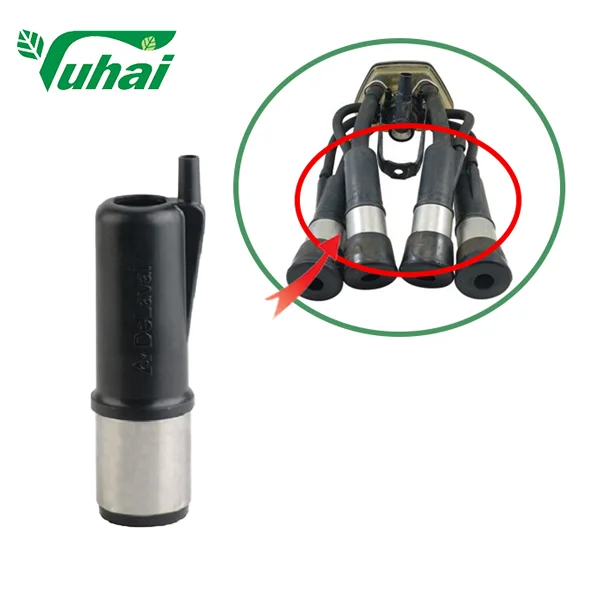
The most critical component in your milking system is the part that comes into direct contact with the cow—the teat cup liner. Far from being a simple consumable, it is the cornerstone of efficient, humane, and profitable milk production. Its importance is profound and multifaceted, directly impacting the core profitability of your dairy operation.
First, the liner is paramount for ensuring cow health and comfort. A well-designed liner delivers gentle, consistent massage and optimal vacuum distribution, which is crucial for preventing excessive teat end hardening and reducing mastitis risk. A cow that feels comfortable during milking is a healthy, high-producing cow. Second, liners directly determine milk quality and yield. An inefficient liner leads to incomplete milking (residual milk) or overmilking, while an ideal liner ensures milk is extracted quickly and thoroughly. This maximizes yield while preserving teat health and produces high-quality milk with lower somatic cell counts.
Furthermore, teat cup liners significantly impact the efficiency and lifespan of the entire system. They function as seals within the teat cup. A worn or ill-fitting liner allows air ingress, causing unstable vacuum levels. This not only stresses the cow but also forces the vacuum pump and regulator to work harder, increasing energy costs and accelerating wear on the entire system. From an economic perspective, investing in high-quality, regularly replaced teat liners is a wise move for achieving economic sustainability. While seemingly adding costs, the resulting improvements in herd health (lowering veterinary expenses), increased milk yield, and reduced system maintenance costs collectively deliver a substantial return on investment.
Therefore, selecting the right teat cup liner is not merely a procurement task but a strategic decision impacting farm profitability and animal welfare. The correct choice depends on your milking system model, cow teat size, and milking process.
Understanding material properties (such as the durability and elasticity differences between silicone and rubber), inner diameter design, flange design, and compatibility with your milking machine fleet is crucial. Regular inspection and replacement according to recommendations—such as every 2,500 milkings or every six months—is key to maintaining optimal performance. By recognizing the core role of teat liners as the vital link between cow and machine, dairy farmers can make more informed decisions, ultimately achieving multiple goals: healthier herds, higher-quality milk, and greater profitability.

 EN
EN