
 EN
EN



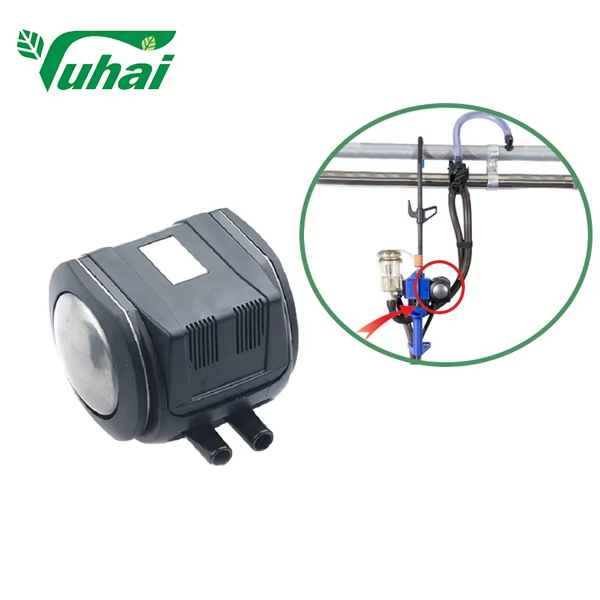
Излаз ваздуха и нестабилност притиска у пнеуматичним пулсаторима
Поузданност пнеуматичког пулсатора зависи од одржавања константног притиска ваздуха. Неоткривена пропуштања или флуктуације притиска директно угрожавају стабилност вакуума за дојење, ризикујући оштећење груди и непотпуно дојење.
Откривање микро-уцека у импулсне цеви и фитинге путем испитивања распада под притиском
Тестирање распада притиска је дијагностички стандард за одређивање микро-пролаза. Промишљене студије потврђују да мали цурења која троше само 20% компресивног ваздуха могу повећати трошкове рада до 38.776 долара годишње (Уједињено америчко Министарство енергетике). За спровођење:
- Изолирати секције и притиснути према спецификацијама произвођача
- Мониторишите пресорелаче за 1 минут
- Пад притиска од 5% указује на критичне пропусте које треба одмах поправити
Пољни техничари допуњују ово са тестовима сапуна на фитингама и коннекцијама колектора. Упорне пропусте често се могу проналазити због пукотина у цеви или износених седишта.
Дијагностиковање ниског или флуктуативног снабдевања ваздухом: влага, загађење и проблеми са регулаторима
Неконзистентан проток ваздуха често потиче горе по поток. Проведите трофазно проверење пре него што оптужите пулсатор:
- Водносни замци : Проверите за ситосне филтере који ограничавају проток ваздуха
- Калибрација регулатора : Испит исходног притиска при променљивом оптерећењу компресора
- Контаминација линије : Проверите да ли је у отвару уље или честице
Неисправности регулатора чине 68% цикличних пада притиска. Прекалибрирајте или замените јединице које не одржавају ±2 psi под оптерећењем.
Затицај ваздушних путева и контаминација у пнеуматичним пулсаторима
Запуштени филтри ваздуха и линије које су препуне влаге: утицај на реакцију дијафрагме
Према часопису Fluid Power Journal из 2023. године, залихе прљавог ваздуха одговорне су за око 70% свих проблема са пневматичким пулсаторима. Када се филтри задиру, они ограничавају проток ваздуха и чине да се дијафрагме напећу више него што је нормално. Овај додатни напор само брже износи ствари и успорава брзину реакције система. Затим је ту и проблем влаге. Вода се акумулира у ваздушним цевима и меша се са прашином и прљавштином, стварајући густ кал. Овај липити неред на крају покрива површине дијафрагме, чинећи их да се залепљу или неисправно крећу кад би требало да реагују брзо.
Превентивне мере укључују:
- Замена филтера за сушење ваздуха сваких 3 месеца
- Уградња аутоматских одводних замка на пријемнике ваздуха
- Употреба мастила за раздвајање воде пре пулсатора
Сув, филтрисани ваздух продужава живот дијафрагме за 200% у поређењу са нетретираним системима.
Обробљавање седишта клапана од прашине, рђа или биофилма што доводи до лепилости
Затицаји на седиштима вентила често се појављују као неправилни пулсациони обрасци током рада. Када се запечатања почну да не функционишу, честице које се налазе у ваздуху пролазе унутра и скупљају се на тим важним подручјима за запечатање. Оно што се догодило касније је прилично једноставно. Прашина се помеша са било којим мазаним средством и претвара у нешто попут абразивног калја. У влажним условима такође видимо формирање биофилма, што ствара ове лепљиве нередбе које се заглављају свуда. Шта је било резултат? Валвови или остају заглављени у отвореном положају или се не затварају правилно, тако да се нарушава цела вакуумска секвенца потребна за исправно дојање на млечним фармама.
Корективне акције укључују:
- Демонтажа и чишћење седишта чистилима без растворача
- Инспекција печати током кварталног одржавања
- Употреба лубриканта од силикона за храну са штедњом
Правилно одржавање седишта вентила смањује инциденте залепљења за 80% и одржава конзистентно време пулсације.
Неисправности у вези са износом у компонентама пнеуматичких пулсатора
Деградација о-ринга, печати и дијафрагме повезана је са клизима и оштећењем зуба
Завршице и дијафрагме су обично места где се већина проблема појављује у пневматичним пулсаторима. Када се О-прстени издрже, излази ваздух, што нарушава притисак који је потребан за добро причвршћивање кластера током дојења. Дијафрагме које имају пукотине више не пулсирају равномерно, тако да вакуум постаје нестабилан и кластери се одступају, прекидајући процес дојења и повећавајући шансе за оштећење крајева сиса. Према ономе што су људи из индустрије видели, око три четвртине свих неуспјеха опреме везаних за зношење долази од материјала који се разлагају због хемикалија, честица које их зноје или само поновљеног стреса током времена. Када се печати разбијају, млеко се креће кроз систем око 15% спорије него што је нормално, а та линнерска клизка може довести до око 30% више повреда на цицама у фарми где се то редовно дешава. Земљопривредници треба да често проверавају ове гумене делове и да их замењују чим примете било какве тврде тачке, формирање пукотина или када се више не враћају након компресије.
Умор од пролећа и дрјфт актуатора: Различење коренског узрока од симптома
Када пруге почну да показују знаке зноја, обично производе нерегуларне пулсације или не успевају да правилно заврше Д-фазу, што изгледа као проблеми са електричним напоном или проблемима са снабдевањем притиском. Да бисте их проверили, измерите снагу компресије у поређењу са онама које је израдилац навео. Ако је 20% смањење снаге, вероватно је време за нове пруге. Нешто што вреди запамтити је да када покретачи почињу да дрейфују (те споре промене у времену које понекад примећујемо), то је обично зато што се пилотни вентили зноје или има натрупања прљавштине унутра, а не само неуспеле пруге. Покушајте прво да изоловате систем. Ако промена подешавања пулсације и даље не реши проблеме са временом, пажљиво погледајте седиште вентила да ли има малих јама или оштећења. Већина продавница за одржавање препоручује да се изменију пруге за покретач отприлике сваке две године, јер се ови неуспјехи брзо погоршавају након што се прође тај знак. Редовна замена у комбинацији са добром филтрацијом на тим пневматичним линијама спречиће око четири од пет проблема са временом пре него што постану стварне главобоље.
Погрешке у пулсационом временском одређивању: Д-фазне одступања и њихов утицај
Како дужина цеви, подешавања брзине пулсације и низак процент Д-фазе утичу на ефикасност дојења
Упирање у право време на Д фазу је веома важно и за производњу млека и за одржавање здравих цица. Растојање цеви које пролазе од пулсатора до линера ствара кашњења у систему. Видели смо да сваки додатни метар цеви додаје око 10 до 15 посто више времена када се ништа не дешава током дојења. Када се пулсација смањи испод 55 циклуса у minuti, то чини да Д-фаза траје превише дуго, што повећава шансу за проблеме са грудима за око 30% према неком недавном истраживању у Дајри Сајенце. Ако Д-фаза падне испод 60%, млеко истече спорије јер се облоге не колапсују правилно. То затвара млеко у канале за сијање и чини краве подложнијим маститису. Техници који раде на фарми треба да редовно проверују ова времена користећи одговарајућу опрему за испитивање. Морају да прилагоде поставке цеви и подешавања контролера тако да све одговара препорукама произвођача. Мале грешке овде могу довести до још лошијих услова удра и смањити укупну ефикасност дојења за отприлике 18% током времена.
Проактивна дијагноза и превентивно одржавање пнеуматичких пулсатора
Проверитељи на пољу: тест палеца, слушање у истој мери и инспекција пулсне цеви
Брз тест палеца чини чуда за проверу снаге пулсације. Само притисни палец на утис када пулсатор ради. Ако ствари раде исправно, требало би да постоје стабилни, јаки пулси који долазе у редовним интервалима. Обратите пажњу и на звук. Већина људи занемарује овај део, али чудни клицкање звуци од јединице обично значи да постоји нека врста проблема са временом који треба поправити. Не заборавите да редовно прегледате ту пулсну цев. Проверите да ли постоје знаци зноја као што су шлепљиве, крпе или влажне тачке било где дуж њих. Посебно накупљање влаге може довести до свих врста проблема. Свака оштећена цевка треба да се одмах извуче и замени пре него што изазове проблеме са клизивањем кластера који ће зауставити читаве операције. Ове основне контроле одржавања трају само неколико минута сваки пут, али откривају око три од сваких четири потенцијална неуспјеха пре него што постану озбиљни проблеми у фабрикама за прераду млека.
Оптимизација интервала сервиса, ОЕМ комплекта и изолације подсистема за дуговечност
Држите се онога што произвођач каже о интервалима сервиса, обично око 2.000 сати рада, и покупите оне комплетне за одржавање од ОЕМ-а кад је то могуће. Ови комплети долазе са свим правилним деловима као што су дијафрагме, запечатања и пруге који су правилно калибрирани за посао. Генерички делови не могу да се користе у већини случајева. Студије показују да воде до око 34% више проблема јер њихове димензије нису сасвим исправне. Када се ствари почну понашати, покушајте да изоловате подсистеме прво. Одсеците кабеле за напон ваздухом да бисмо проверили стабилност притиска без мешања са групама вентила. Ова метода заправо штеди време у дугорочној перспективи, смањујући време за отсуство за око 40% у поређењу са провером свега одједном. Такође држите добре податке. Следите када се дијафрагме замењују и колико су конзистентни пулсације. С временом, ови записи помажу да се примете обрасци знојања пре него што постану велики проблеми. Већина људи сматра да проактивна замена делова на основу ових посматрања продужава живот пневматичких пулсатора од 3 до 5 година.
Често постављене питања
Који је главни узрок цурења ваздуха у пневматичним пулсаторима?
Упропасти ваздуха у пневматичним пулсаторима често су због пукотине цеви или износених седишта. За откривање ових цурења потребно је тестирање пада притиска и додатне методе као што су тестови сапуна и мехура.
Зашто је важно одржавати исправно време пулсације у системима за дојење?
Правилно време пулсације је од кључног значаја за оптималан проток млека и здравље груди. Одступања у времену могу повећати ризик од маститиса и смањити укупну ефикасност дојења.
Колико често треба одржавати или мењати компоненте пневматичних пулсатора?
Интервали сервиса за пневматичне пулсаторе обично се јављају сваких 2.000 сати рада. ОЕМ комплети за одржавање препоручују се за замену делова као што су дијафрагме, пломбе и пруге.
Које су заједничке превентивне мере за одржавање квалитета ваздуха у пневматичним системима?
Да би се одржао квалитет ваздуха, ефикасне мере су замена филтера за ваздух са десикантом сваких 3 месеца, употреба аутоматских одводних замки на пријемницима ваздуха и инсталирање лубрикатора за одвајање воде.
Садржај
- Излаз ваздуха и нестабилност притиска у пнеуматичним пулсаторима
- Затицај ваздушних путева и контаминација у пнеуматичним пулсаторима
- Неисправности у вези са износом у компонентама пнеуматичких пулсатора
- Погрешке у пулсационом временском одређивању: Д-фазне одступања и њихов утицај
- Проактивна дијагноза и превентивно одржавање пнеуматичких пулсатора
-
Често постављене питања
- Који је главни узрок цурења ваздуха у пневматичним пулсаторима?
- Зашто је важно одржавати исправно време пулсације у системима за дојење?
- Колико често треба одржавати или мењати компоненте пневматичних пулсатора?
- Које су заједничке превентивне мере за одржавање квалитета ваздуха у пневматичним системима?