
 EN
EN



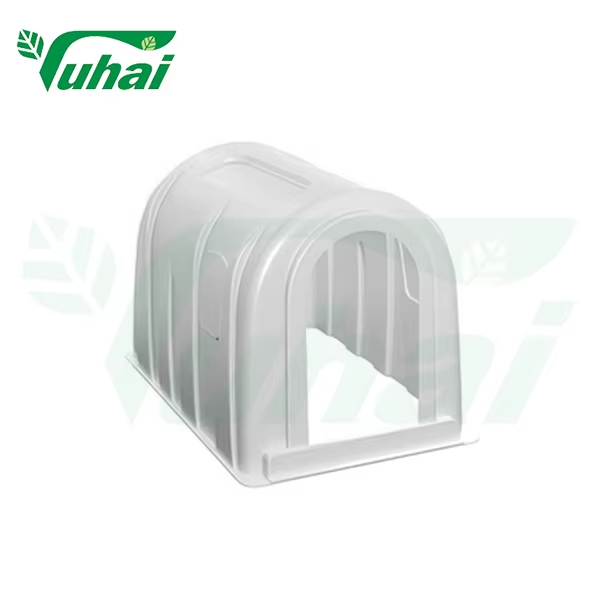
Недостаточная вентиляция в Организации телячьих будок
Почему недостаточный воздухообмен повышает риск БРЗ у телят до отъёма
Когда в телячьих будках не поступает достаточное количество свежего воздуха, это серьёзно нарушает работу их дыхательной системы. Исследования, проведённые в Висконсине, подтверждают это: при плохой вентиляции вероятность развития бронхопневмонии у телят младше шести месяцев возрастает на 30–50 %. Проблема усугубляется тем, что застойный воздух способствует накоплению аммиака и ускоренному размножению бактерий. Эти факторы совместно создают условия, при которых больные телята просто не в состоянии эффективно противостоять инфекциям. Фермеры замечают симптомы довольно быстро: уже в течение двух недель у многих телят появляются признаки заболевания — ринорея и затруднённое дыхание. Эта закономерность наглядно демонстрирует, насколько важна правильная циркуляция воздуха для поддержания здоровья молодняка на молочных фермах по всей стране.
Сочетание притока свежего воздуха и теплового комфорта: предотвращение сквозняков без ущерба для вентиляции
Хорошая вентиляция должна обеспечивать примерно 4–6 полных обменов воздуха в час, одновременно защищая телят от холодных сквозняков. Для достижения этого необходим тщательный расчёт мест поступления и удаления воздуха. Вентиляционные отверстия должны располагаться выше уровня телят, чтобы животные не ощущали прямое воздействие воздушного потока. Регулируемые направляющие пластины особенно полезны при колебаниях температуры в течение суток. Поддержание небольшого разрежения способствует предотвращению застойных зон, где скапливается влага и вредные микроорганизмы. Устаревшие системы вентиляции с нейтральным давлением более не соответствуют требованиям, поскольку они не обеспечивают стабильный воздушный поток по всей площади помещения. Контроль скорости воздуха анемометром гарантирует, что она не превышает 0,3 м/с на уровне, где находятся телята. Это обеспечивает равномерную циркуляцию свежего кислорода во всех уголках зоны размещения телят.
Выбор неподходящего участка и подготовка грунта для Телячьи будки
Сбои в системе дренажа: как застоявшаяся вода ухудшает здоровье телят и сокращает срок службы вольеров
Когда рядом с хлевами для телят скапливается стоячая вода, это создаёт благоприятные условия для размножения патогенов, таких как кишечная палочка (E. coli) и ротавирус, что может повысить частоту случаев диареи у молодых телят до отъёма примерно на 40 %, согласно данным Dairy Herd Management (2023). Проблема выходит за рамки лишь здравоохранения. Влажные условия серьёзно ухудшают состояние конструкций: необработанная древесина гниёт как минимум в три раза быстрее при постоянной сырости, а металлические детали начинают проявлять признаки коррозии уже спустя примерно 18 месяцев. Чтобы предотвратить эти проблемы, крайне важна тщательная планировка. Прежде всего, выбирайте участки, не расположенные в низинах, где вода естественным образом скапливается. Затем продумайте эффективное управление поверхностным стоком. Оптимальный уклон поверхности должен составлять от 2 % до 4 % в направлении от хлевов. Для сложных в плане дренажа понижений целесообразно установить французские дренажи. Не забудьте также уложить под любые гравийные основания проницаемый геотекстиль — это обеспечит надлежащий дренаж в течение длительного времени без необходимости постоянного технического обслуживания.
Рекомендации по устройству фундамента: гравий, бетон и ориентация для оптимальной работы телячьих будок
Правильная подготовка основания под любую клетку чрезвычайно важна, если мы хотим избежать проблем в будущем. Смещение фундамента, проникновение воды туда, где ей не место, и преждевременный выход из строя — всё это происходит при недостаточно прочном основании. Для большинства людей отлично подходят гравийные основания толщиной от 4 до 6 дюймов. Они обеспечивают надёжный дренаж, служат около 8–10 лет и стоят недорого по сравнению с другими вариантами. Бетон, безусловно, служит дольше — иногда более 15 лет, — однако требует специальной укладки, чтобы вода не скапливалась на поверхности. Поэтому неудивительно, что многие предпочитают использовать бетон там, где клетка будет стоять на одном месте постоянно. Независимо от типа основания, ориентация клетки на южную сторону помогает обеспечить попадание солнечного света в холодных регионах. Двери следует размещать так, чтобы они были обращены в противоположную от преобладающего направления ветра сторону — это снижает вероятность сквозняков внутри клетки. И ещё один важный момент: грунт под основанием необходимо тщательно утрамбовать до укладки любого покрытия. Большинство конструкционных проблем, возникающих в первые несколько месяцев эксплуатации, связаны с недостаточной утрамбовкой — примерно в 7 случаях из 10, исходя из моего многолетнего опыта.
Недостаточные протоколы санитарной обработки и замены оборудования между телятами
Критическое окно в 72 часа: выживаемость патогенов на поверхностях клеток для телят и пробелы в дезинфекции
Если клетки не чистятся должным образом, вредные патогены, такие как кишечная палочка и криптоспоридии, могут сохраняться от трех до семи дней. Это создает серьезные риски, когда новорожденные телята попадают в загрязненные помещения без предварительной надлежащей очистки. Недавнее исследование Университета Пердью, проведенное в 2022 году, показало, что около двух третей случаев респираторных заболеваний крупного рогатого скота на самом деле связаны с плохой санитарной обработкой в течение этих критически важных первых трех дней после смены животных. Основные проблемные зоны? Пористые материалы, такие как старые деревянные доски или треснувшие пластиковые детали, где микробы скрываются даже после попыток очистки. Дезинфицирующие средства просто не работают должным образом, когда температура опускается ниже 4 градусов по Фаренгейту, что делает зимние меры по уборке практически бесполезными в большинстве случаев. И не будем забывать о всех этих остатках подстилочного материала, которые значительно сокращают время действия дезинфицирующих средств на поверхностях. Эти проблемы обходятся фермерам от 42 до 98 долларов дополнительно за каждого обработанного теленка, а также способствуют увеличению смертности среди молодых телят до отъема на 11%. Фермерам, желающим снизить эти риски, следует рассмотреть возможность очистки паром или использовать одобренные растворы четвертичных аммониевых соединений, обеспечивая при этом полную сухость поверхностей в течение как минимум двадцати четырех часов подряд.
Часто задаваемые вопросы
Почему в телячьих будках необходима правильная вентиляция?
Правильная вентиляция помогает снизить риск развития болезни дыхательных путей крупного рогатого скота (BRD) у телят до отъёма, обеспечивая приток свежего воздуха и снижая накопление аммиака и рост микроорганизмов.
Как эффективно управлять запахами и сквозняками?
У телят должен быть беспрепятственный приток воздуха при 4–6 воздухообменах в час, при этом вентиляционные отверстия должны располагаться достаточно высоко, чтобы исключить прямое воздействие потоков воздуха. Использование регулируемых направляющих щитков и поддержание разрежения при контроле скорости воздушного потока могут оказаться полезными.
Какое влияние неправильный выбор места оказывает на телячьи будки ?
Неподходящие участки могут привести к застою воды, создавая благоприятные условия для размножения патогенов и потенциально вызывая разрушение конструкции. Система водоотвода должна быть тщательно продумана, чтобы избежать подобных проблем.
Как часто следует очищать телячьи будки между использованием?
Телячьи будки необходимо тщательно очищать и дезинфицировать между каждым использованием; желательно обеспечить полное высыхание поверхности в течение 24 часов для уничтожения патогенов, оставшихся после предыдущего использования.